






First, What Are GLP-1 Drugs?
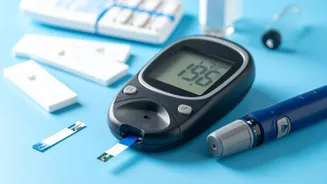
Glucagon-like peptide-1 (GLP-1) receptor agonists are a class of medications initially developed for type 2 diabetes. They work by mimicking a gut hormone that signals fullness to the brain, slows down stomach emptying, and helps regulate blood sugar.
This dual action on appetite and metabolism has made them highly effective for chronic weight management, with drugs like Ozempic, Wegovy, and Mounjaro becoming household names. For many, they quiet the constant 'food noise' and allow for significant weight loss, but experts stress that obesity is a chronic disease and these drugs are designed for long-term use.
The Discontinuation Dilemma
Despite their effectiveness, many people stop taking GLP-1s. Reasons vary widely and include high cost, lack of insurance coverage, frustrating side effects like nausea and constipation, or having reached a weight loss goal. Studies have shown that discontinuation rates can be high, with some research indicating that up to half of patients stop within the first year. This has led to a critical question for both patients and doctors: What happens next? The answer, as recent research shows, is complex and highlights that stopping the medication isn't the end of the journey.
What New Research Reveals
Recent studies have focused on the outcomes after patients stop GLP-1 therapy. A significant finding across multiple studies is that a majority of people regain a substantial portion of the weight they lost. One meta-analysis found that patients regained about 60% of their lost weight within a year of stopping. A large real-world study from the Cleveland Clinic offered a more mixed picture, finding that while 55% of patients with obesity regained weight, 45% either maintained their loss or continued to lose weight. However, many of those with successful outcomes had restarted the medication or transitioned to another form of obesity treatment, underscoring the need for continuous management.
Why the Weight Rebound Happens
Weight regain after stopping GLP-1s is not a failure of willpower but a predictable biological response. When the medication is withdrawn, the hormonal signals it provided are lost. The brain no longer receives the strong signals of fullness, appetite returns, and the 'food noise' that was silenced can come back. Your body, which naturally defends its previous weight, may also decrease the hormones that make you feel full and increase the hormones that trigger hunger. Essentially, the underlying biological drivers of obesity that the medication was managing are unmasked.
The Critical Role of Medical Supervision
This is why medical supervision is non-negotiable when discontinuing GLP-1s. Simply stopping 'cold turkey' can lead to a rapid return of appetite and subsequent weight gain. A doctor can create a tapering plan, gradually reducing the dose to give your body time to adjust. This process allows for monitoring of key health markers, including blood sugar, blood pressure, and cholesterol levels, all of which can be negatively affected by weight regain. For patients with type 2 diabetes, stopping suddenly can cause blood sugar levels to rise, requiring an adjusted management plan. Your doctor can also discuss alternative strategies, from other medications to intensive lifestyle support.
Beyond Weight: Other Health Impacts
The consequences of stopping GLP-1s extend beyond the number on the scale. Because these drugs have broad metabolic benefits, discontinuation can lead to a reversal of those gains. Research has shown that stopping the medication is linked to a rise in risk factors for heart disease, including blood pressure and cholesterol. One study even found that stopping the drugs was associated with a higher risk of heart attack, stroke, or death in people with type 2 diabetes, though researchers caution this may be influenced by other factors. This highlights that GLP-1s are not just weight loss drugs; they are powerful medications that impact overall cardiovascular and metabolic health.