




Setting the Record Straight
The headline figure of 17 lions residing in Barda Wildlife Sanctuary has been a source of much excitement. However, this number originates from population estimations made in 2025. As of October 2026, multiple sources confirm the population in Barda still
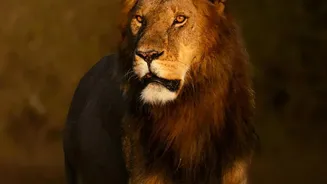
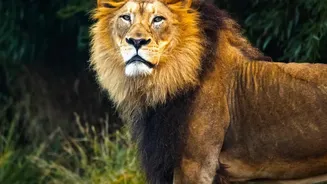
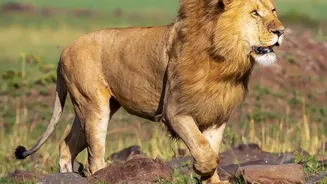
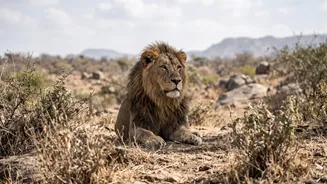
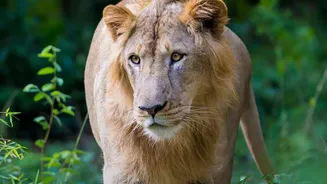
stands at 17 lions. This group, consisting of adults and cubs, marks the successful return of the species to a landscape where they hadn't been seen for nearly a century and a half. The story isn't just about a static number; it's about the journey. The recolonisation began in January 2023 when a single male lion naturally dispersed from the greater Gir region into Barda. Recognising the potential, the Gujarat Forest Department then augmented this pioneering male with the introduction of five females to establish a viable breeding population.
Why Barda is a Beacon of Hope
For over a century, the entire wild population of the majestic Asiatic lion has been confined to the Gir Forest and its surrounding landscape. While conservation efforts there have been a resounding success—growing the population from a mere 18 in the late 19th century to over 674 by 2020—concentrating a species in a single area carries immense risks. A single epidemic or natural disaster could be catastrophic. This is why the establishment of a second, independent population is a long-held conservation goal. The Barda Sanctuary, located about 100 kilometres from Gir, was identified as a suitable second home as far back as 1979 under the 'Project Lion' initiative. Its rugged terrain and similar vegetation make it an ideal habitat to support a new pride, ensuring the long-term survival of the species by spreading the risk.
Building a Sustainable Home
Simply introducing lions is not enough; a successful reintroduction requires a comprehensive ecological support system. A landmark study published in the journal 'PLOS One' in September 2026 confirmed that Barda possesses the suitable habitat and resources to sustain a long-term lion population. To ensure the lions thrive, authorities have been actively managing the sanctuary. A key focus is strengthening the prey base. In 2025-26 alone, 441 chitals (spotted deer) were translocated from Gir to Barda, supplementing captive-breeding releases of both spotted deer and sambar that have been ongoing for years. A diet analysis from the study showed that while lions prey on wild pigs, they also rely on domestic cattle, highlighting the need to bolster wild prey availability to minimise human-wildlife conflict.
Monitoring, Management, and the Future
The establishment of lions in Barda is a dynamic and closely watched process. To understand their adaptation, researchers radio-collared six of the initial lions—the male and the five females. Between January 2023 and July 2025, these collars generated over 169,000 GPS locations, providing invaluable data on the lions' home ranges, habitat preferences, and social structures. This scientific monitoring, a core component of Project Lion, allows the Forest Department to make informed decisions. With the lion population growing across Gujarat—estimated at 891 in May 2025—the success at Barda provides a crucial template for managing dispersing populations and reducing pressure on the core Gir habitat. As the pride of Barda grows, so too does the security of India's Asiatic lions.