







What is Kitchen AI?
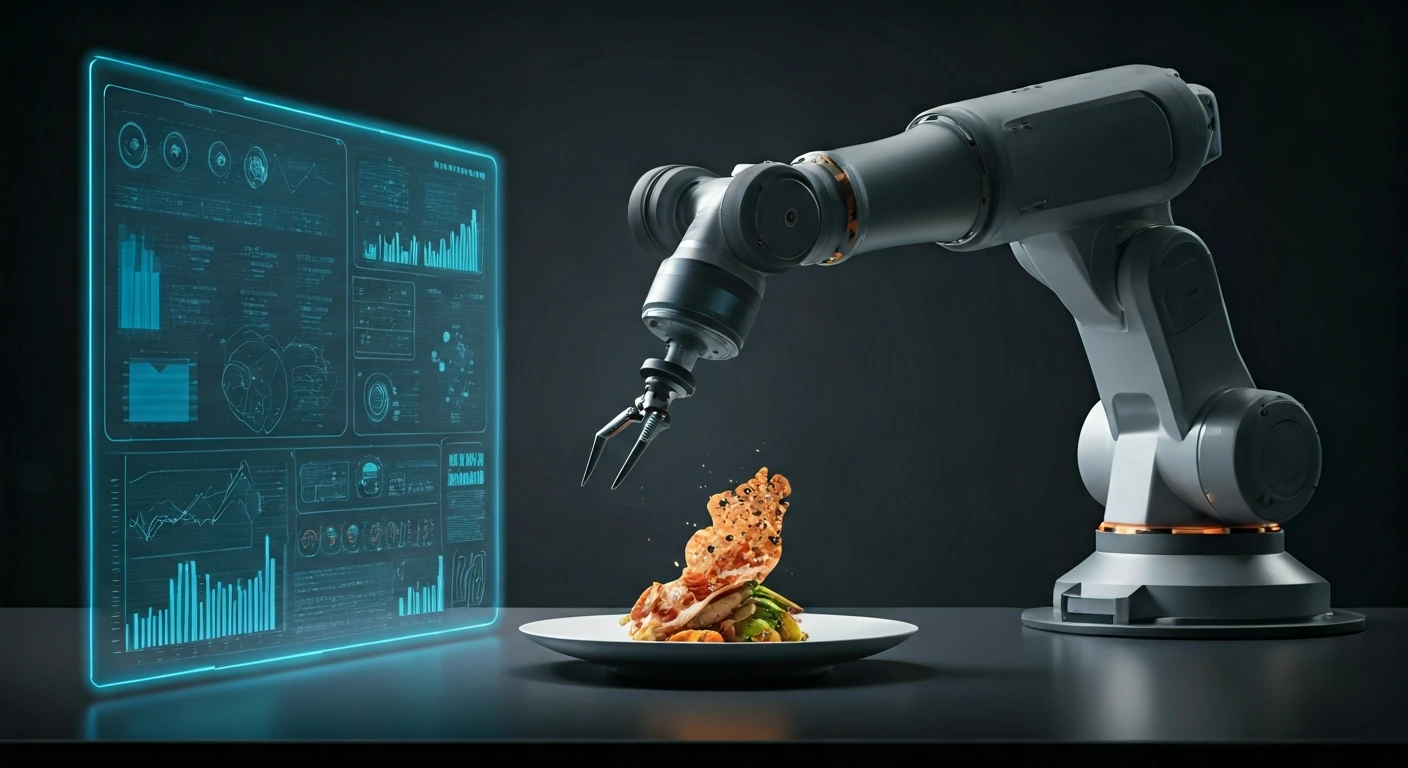
Forget images of humanoid robots flipping burgers. For most restaurants and cloud kitchens, 'Kitchen AI' refers to sophisticated software working silently in the background. This digital sous-chef is all about data and efficiency. It integrates orders
from multiple platforms like Zomato and Swiggy, eliminating the need for staff to manually punch in orders from different tablets. AI algorithms then get to work, analysing historical data, weather patterns, and even local events to predict demand. This allows kitchens to anticipate busy periods, like a spike in biryani orders on a weekend in Mumbai, and prepare accordingly, reducing both food waste and customer waiting times.
An Orchestra of Efficiency
A busy delivery kitchen can be chaotic. Kitchen AI acts as the conductor, bringing order to the madness. Once an order is accepted, the system can intelligently route it to the correct station based on current workload and complexity. It coordinates the entire cooking process, ensuring different components of a large order are ready simultaneously. This automated workflow minimizes human error, which can be reduced by up to 85% according to some reports, and prevents bottlenecks that slow down the entire operation. Some advanced systems even use voice-activated assistants, allowing chefs to manage orders and check recipes hands-free, further boosting speed and hygiene.
Connecting the Kitchen to Your Door
The single biggest impact of a streamlined kitchen is a more predictable timeline. When a kitchen operates with AI-driven precision, the time it takes to prepare a dish becomes much more consistent. This data is gold for delivery platforms. The AI in the kitchen can communicate directly with the delivery logistics AI, providing a highly accurate 'food ready' time. This allows the platform to dispatch a driver at the optimal moment, ensuring they aren't waiting idly at the restaurant or arriving long after the food is packed. This seamless coordination between kitchen prep and driver dispatch is crucial for shrinking the overall delivery window and providing you with a more reliable ETA.
Beyond Just Speed
While faster delivery is a major benefit, kitchen AI offers more. Consistency is a huge advantage; automated systems and robotic assistants for repetitive tasks ensure your favourite dish tastes the same every time. AI-powered computer vision can also be used for quality control, scanning dishes before they are packed to check for accuracy and presentation. Furthermore, by analysing customer feedback at scale, these systems help restaurants identify and improve poorly rated dishes, continually refining the menu. This focus on accuracy means you’re more likely to receive the correct order, hot and fresh.
The Rise of Smart Kitchens
This technological shift is especially prevalent in cloud kitchens—delivery-only facilities that serve multiple brands from a single location. Companies like Rebel Foods, which operates Faasos and Behrouz Biryani, have been pioneers in using AI to manage their complex operations. By using AI to forecast demand, manage inventory, and streamline cooking, they can run numerous virtual brands efficiently. For these businesses, which live and die by delivery efficiency, AI is not a luxury but a core competitive advantage. The technology helps them reduce operational costs, minimise food waste, and crucially, deliver a better, faster experience to the end consumer.