






The Problem Below the Surface
Healthy garden soil is teeming with billions of microscopic organisms, including beneficial bacteria and fungi. These microbes are essential workers, breaking down organic matter into nutrients that plants can absorb. Most of these beneficial microbes are aerobic,
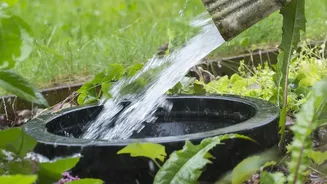
meaning they need oxygen to survive and do their jobs. When soil becomes waterlogged, the air pockets that hold oxygen are filled with water. This creates an anaerobic (oxygen-free) environment. After just 24 hours of saturation, a quarter of the beneficial aerobic microbe population can be lost, and after 72 hours, they are almost entirely wiped out.
From Healthy Soil to a Toxic Environment
As the helpful aerobic microbes die off, their place is taken by anaerobic bacteria, which thrive without oxygen. This shift in the microbial population has severe consequences for your garden. Instead of producing nutrients, these anaerobic microbes can release substances that are toxic to plant roots, such as hydrogen sulfide, which creates a distinct rotten-egg smell. This toxic environment, combined with the lack of oxygen, leads to root rot, prevents plants from absorbing any available nutrients, and makes them highly susceptible to diseases. Earthworms, crucial for soil structure, also flee waterlogged conditions, further compounding the damage.
Step 1: Immediate Damage Control
The first priority is to get oxygen back into the soil. Immediately stop watering the affected area. If your garden is in containers, ensure the drainage holes are not blocked and gently tip the pots to help excess water run out. For in-ground beds, you can carefully create small channels on the soil surface to guide standing water away. Avoid walking on or compacting the saturated soil at all costs, as this will squeeze out even more air and worsen the problem. The ground needs time to dry out naturally before you can take further steps.
Step 2: Rebuild the Soil Structure
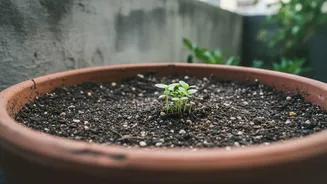
Once the soil is no longer saturated, you need to improve its structure to prevent future waterlogging. The best way to do this is by adding organic matter. Incorporating a generous layer of high-quality compost, leaf mould, or well-rotted manure will work wonders. These materials improve soil texture, creating more air pockets and enhancing drainage. For container gardens or particularly heavy clay soil, adding materials like perlite, coarse sand, or biochar can also significantly improve aeration and water management. This creates a more resilient foundation that can better handle heavy rainfall.
Step 3: Reintroduce the Good Microbes
After a waterlogging event, the soil's microbial community is out of balance and needs to be replenished. Applying a fresh layer of high-quality, living compost is one of the most effective ways to reintroduce a diverse range of beneficial bacteria and fungi. You can also brew your own compost tea or purchase commercial microbial inoculants. These products contain concentrated populations of beneficial microbes that help kickstart the soil's natural nutrient cycling processes. These 'invisible gardeners' will help outcompete any lingering harmful pathogens and get your soil ecosystem back on track.