


The Hidden Risk in Muddy Paws
While wiping away muddy paw prints from your floors is an obvious chore, the bigger concern lies in what you can't see. Mud and moisture trapped between your dog's paw pads and in the surrounding fur create the perfect warm, damp environment for fungi
to thrive. This can lead to common and uncomfortable conditions like yeast dermatitis, caused by an overgrowth of Malassezia fungus which is naturally present on a dog's skin. Factors like underlying allergies, excessive licking, and poor grooming can make a dog more susceptible to these infections. Consistent and proper cleaning is not just about hygiene; it's a crucial preventative health measure.
Your Paw-Washing Toolkit
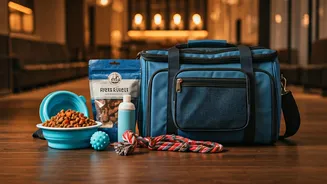
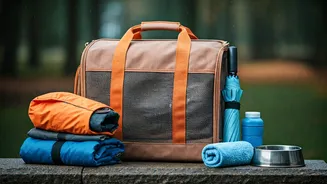
Being prepared makes the process quicker and less stressful for both you and your dog. Setting up a dedicated paw-washing station by the door can make it a seamless part of your post-walk routine. Here’s what you’ll need: A basin or shallow tub: Fill it with lukewarm water. Gentle, dog-specific shampoo: Human soaps can be too harsh and disrupt the natural pH of your dog's skin. Look for a mild, pet-safe formula. Soft towels: Have at least two on hand—one for washing and a separate, dry one for thorough drying. Microfiber towels are highly absorbent and work well. Pet-safe wipes: For less-muddy days, hypoallergenic grooming wipes are a convenient option. Ensure they are free from alcohol or harsh chemicals. * A soft brush (optional): For dogs with caked-on mud, a soft-bristled brush can help gently remove debris before washing.
A Step-by-Step Guide to a Safe Clean
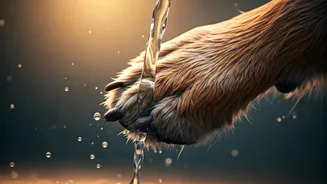
Follow these steps to ensure a thorough and safe cleaning process. Remember to be gentle and patient, especially if your dog is not a fan of having their paws handled. 1. Inspect the Paws: Before you start washing, gently spread your dog’s toes and check for any cuts, thorns, stones, or other foreign objects lodged in the pads. 2. Rinse Gently: Dip one paw at a time into the basin of lukewarm water to loosen most of the mud and debris. 3. Lather Up: Apply a small amount of dog shampoo and gently massage it into the paw, making sure to clean between the toes and around the nails where fungus often hides. 4. Rinse Thoroughly: It’s crucial to rinse away all soap residue, as leftover shampoo can cause skin irritation. 5. Dry Completely: This is the most critical step in preventing fungal growth. Pat the paw dry with an absorbent towel, paying special attention to drying the area between the pads. Trapped moisture is the primary culprit for yeast infections.
Products to Avoid
What you don't use is just as important as what you do. Certain human products can cause irritation, dryness, or allergic reactions on a dog's sensitive paw pads. Never use human shampoos, dish soap, or harsh detergents. You should also avoid any wipes containing alcohol or strong fragrances, as these can be detrimental to your pet's skin health. While some online sources mention diluted apple cider vinegar or baking soda, it is always safest to stick to veterinarian-approved products or those specifically formulated for dogs.
Spotting the Signs of a Fungal Infection
Even with diligent cleaning, infections can sometimes occur. Be on the lookout for tell-tale signs that your dog might be suffering from a paw infection. Symptoms include persistent licking or chewing of the paws, redness and inflammation, and a musty or “corn chip” smell. You might also notice a brown discharge or discoloration on the skin and fur, scaly skin, or swelling. If your dog is exhibiting any of these symptoms, it's time to consult your veterinarian for a proper diagnosis and treatment plan, which may include medicated wipes, shampoos, or oral antifungal medication.
Tips for Ongoing Prevention
Beyond cleaning after a muddy walk, a few regular grooming habits can significantly reduce the risk of fungal infections. Keep the hair between your dog's paw pads trimmed short. This improves airflow, reduces the amount of mud that gets trapped, and makes cleaning easier. Regular nail trims also help, as long nails can collect dirt and debris. Making paw checks a daily routine will help you spot any potential issues before they become serious problems.