






The Monsoon’s Mighty Influence
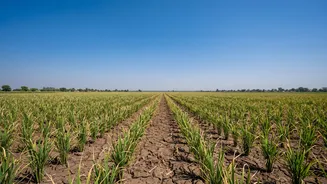
For much of India, the economy runs on the rhythm of the monsoon. These seasonal rains are the lifeblood of the agricultural sector, which provides livelihoods for millions. A 'normal' or well-distributed monsoon, arriving on time, ensures that reservoir
levels are healthy, soil moisture is adequate, and sowing of key Kharif crops like rice, soybean, and pulses can proceed as planned. This predictability on the farm translates to a stable supply in the markets, keeping prices in check for consumers. When rainfall is timely and sufficient, it sets the stage for a healthy harvest, which is the first and most critical step in ensuring food remains affordable.
Too Little or Too Much Rain Spells Trouble
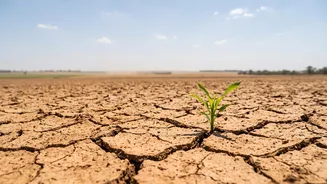
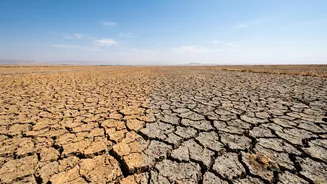
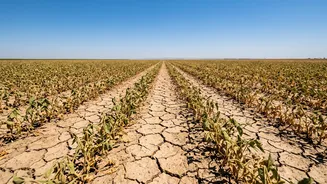
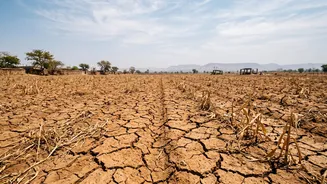
The system breaks down when the monsoon is erratic. A significant rainfall deficit means farmers can't sow their crops, or the crops they do plant wither from lack of water. This leads to lower yields and, consequently, smaller harvests. Conversely, excessive rainfall can be just as damaging. Heavy downpours and floods can destroy standing crops, waterlog fields, and foster diseases that ruin produce. In both scenarios—drought or flood—the outcome is the same: a sharp reduction in the amount of food being produced. This scarcity is the primary trigger for price hikes, as demand from over a billion people begins to outstrip the available supply.
The Supply Chain Under Stress
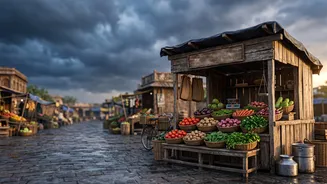
Weather's impact doesn't stop at the farm gate. Extreme weather events disrupt the entire supply chain that brings food from the field to your plate. Flooded roads and damaged railway lines can delay or halt the transportation of produce from rural growing regions to urban wholesale markets (mandis). Since many vegetables are highly perishable, even a delay of a few days can lead to significant spoilage. This means that not only is less food being harvested, but a larger portion of it is lost in transit. Wholesalers facing reduced and delayed arrivals must bid higher for the limited stock available, and these increased costs are quickly passed down the chain to local vendors and, ultimately, to consumers.
Not Just Rain: The Threat of Heatwaves
While the monsoon often grabs the headlines, heatwaves are an increasingly potent force shaping food prices. Prolonged periods of extreme heat can have devastating effects on crops, especially sensitive ones like tomatoes and leafy greens. High temperatures can cause flowers to drop from plants before they can fruit, leading to a future supply crunch. It also increases the need for irrigation, raising farmers' costs for electricity and water. Furthermore, produce that does grow is often of lower quality, fetching lower prices for farmers but still contributing to overall market shortages that push retail prices up for consumers. A Reserve Bank of India study noted that temperature changes can have a slightly greater impact on vegetable inflation than even rainfall variations.
The Ripple Effect on Your Kitchen Basket
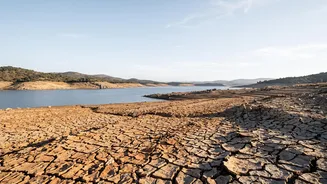
The most immediate and noticeable impact is on perishable goods. Vegetables like tomatoes, onions, and greens can see their prices double or triple within weeks of a weather shock because they have a short shelf life and limited storage options. The impact on staples like rice, wheat, and pulses takes longer to manifest but can be more widespread. A poor monsoon not only affects the current Kharif crop but also reduces water levels in reservoirs, impacting the subsequent Rabi (winter) crop season. Even the price of milk can be affected, as poor rainfall reduces the availability of fodder for cattle, increasing costs for dairy farmers. This cascade of effects shows how a single weather event can create ripples across the entire food economy.