





What Does a 'Smarter' Choice Mean?
For the longest time, beauty purchases were driven by big-brand advertising and price points. Today, the consumer in cities like Lucknow, Jaipur, and Nagpur has moved on. [14, 16] A 'smarter' choice is about looking past the marketing gloss to understand
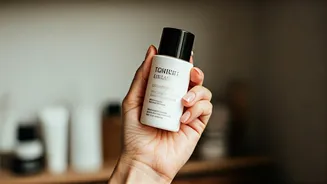
what's inside the bottle. [5] This new-age consumer demands transparency, seeking out products with clean, non-toxic ingredients and proven efficacy. [2, 11] They are researching concepts like barrier repair, seeking out specific ingredients like niacinamide and salicylic acid, and prioritising products free from parabens and sulphates. [3, 7, 11] It's a significant shift from aspirational buying to conscious, ingredient-led purchasing, where quality and health trump all else. [5, 15]
The Digital Catalysts of Change
This evolution is being powered by unprecedented access to information. With cheap data and over 750 million internet users, the discovery of beauty trends, products, and education is happening online. [20] Social media platforms like Instagram and YouTube are the new beauty classrooms. [5, 19] Here, influencers and content creators play a crucial role, not just as advertisers but as educators who explain complex formulations and demonstrate product benefits authentically. [15, 21] This has democratised beauty knowledge, allowing a consumer in Gorakhpur or Kottayam to be as informed as someone in Mumbai. [10, 13] E-commerce platforms have made these global and homegrown D2C brands accessible, bringing premium and specialised products to doorsteps far beyond the metros. [3, 7]
The Rise of D2C and 'Clean' Beauty
This informed demand from non-metro markets has fuelled the explosive growth of Direct-to-Consumer (D2C) brands. [20] Companies like Mamaearth, Minimalist, and The Derma Co have built their success by catering to this niche, offering science-backed, transparent, and often 'clean' beauty solutions. [2, 18] The 'clean beauty' movement, focusing on non-toxic and environmentally friendly products, is gaining significant traction. [2, 5] The Indian clean beauty market, valued at approximately ₹7,786 crore in 2025, is projected to grow at a CAGR of nearly 15.7%. [11] These homegrown brands resonate with consumers due to their agility, cultural fluency, and deep understanding of local needs, from climate-specific formulations to addressing concerns like hard water effects on skin and hair. [4, 6]
Beyond the Screen: The Omnichannel Experience
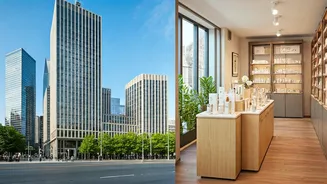
While discovery happens online, trust is often sealed offline. [9, 18] Recognising that beauty remains a category where touch and trial are important, successful D2C brands are rapidly expanding their physical footprint into Tier-II cities. [9] This 'omnichannel' strategy—where e-commerce drives discovery, while offline stores build trust and enable conversions—is becoming the new standard. [9, 18] Major online retailers like Nykaa and even marketplace giants are adding physical stores in dozens of non-metro cities, understanding that an integrated approach is key to capturing this evolving market. [9] These physical outlets offer services like shade matching and product trials, which are crucial for closing the sale, especially for premium products. [9]