


The First Signs of Withdrawal
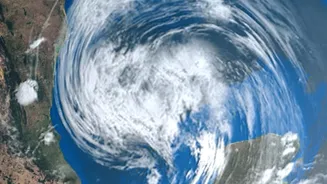
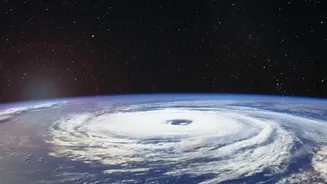
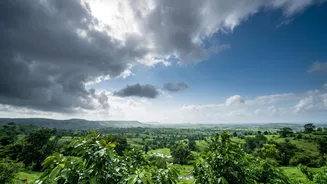
The end of the monsoon is not like flipping a switch; it's a gradual process that meteorologists track carefully. The first definitive signs are now appearing. Recent satellite images show a dramatic reduction in cloud cover, particularly over northwest
and central India. This clearing of the skies is a primary indicator. According to the India Meteorological Department (IMD), the formal criteria for withdrawal include at least five consecutive days without rain, a significant drop in atmospheric moisture, and the establishment of an anticyclonic circulation—a large-scale circulation of winds around a high-pressure area. This anticyclone is beginning to form over northwest India and is expected to strengthen through the second half of September, setting the stage for a more organized retreat.
The Official Timeline: A Staggered Retreat
The monsoon doesn't leave all of India at once. It withdraws in phases, starting from the place it reached last. The retreat typically begins from west Rajasthan around the first or second week of September. However, for 2026, forecasts suggest the formal withdrawal process will likely commence after September 15th. From Rajasthan, the withdrawal line moves southeastward across the country over a period of five to six weeks. By the end of September, it typically withdraws from Gujarat, the Western Ganga plain, and the Central Highlands. It takes until mid-October for the monsoon to retreat from the southern peninsula, and the process is only considered complete for the entire country after that. This means that while northern India might be experiencing dry, post-monsoon weather, southern states could still be receiving monsoon showers on the same day.
Changing Weather in the North and West
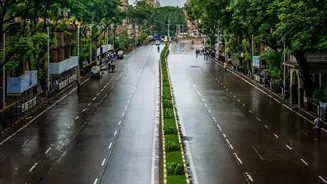
For northern and western India, the monsoon's retreat ushers in a noticeable change. As moisture-laden southwesterly winds are replaced by dry northwesterly winds, humidity levels will drop significantly. This will lead to clearer skies and a reduction in rainfall. While daytime temperatures might see a temporary increase due to the clear skies, a phenomenon sometimes called 'October Heat', nighttime temperatures will begin to fall, especially in northern India. This gradual cooling marks the slow onset of winter conditions, which typically set in by November or early December. States like Delhi-NCR, Punjab, Haryana, and Rajasthan are expected to see drier conditions prevail soon.
Impact on the South and East
The picture is more complex in the southern and eastern parts of the country. Even as the southwest monsoon weakens, these regions can continue to see rainfall. In fact, the withdrawal of the southwest monsoon sets the stage for the northeast monsoon, which is the primary source of rain for Tamil Nadu, coastal Andhra Pradesh, and parts of Karnataka between October and December. Forecasts for 2026 suggest that subdued rainfall may continue over Peninsular India for the next week, but conditions could become more favorable for the northeast monsoon later in the year. Eastern states like West Bengal and Bihar, along with the northeastern states, may continue to experience rainfall and thunderstorms even as the main monsoon system weakens.
The Post-Monsoon Cyclone Season
The end of the monsoon season does not mean the end of severe weather. The post-monsoon period, from October to December, is known for the formation of tropical cyclones in the Bay of Bengal and the Arabian Sea. As the low-pressure belt shifts from the landmass of northern India towards the Bay of Bengal by October, it creates unstable conditions ripe for cyclone formation. These systems often bring intense rainfall and strong winds, particularly to the eastern coastal states like Odisha, Andhra Pradesh, and Tamil Nadu. The densely populated deltas of the Godavari, Krishna, and Kaveri rivers are particularly vulnerable during this season. While the southwest monsoon's departure brings relief from widespread daily rains, it is also a time to remain vigilant for these powerful and destructive storms.