


A Foundation of Flavor
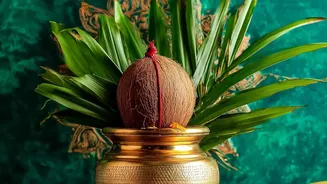
Before any trend, there is tradition. In the Andaman and Nicobar Islands, the coconut palm is not just a plant; it's a way of life, often called the 'tree of life'. For generations, its presence has shaped the local cuisine, providing a foundational flavour
that is both rich and light. Unlike the heavy, dairy-based curries of northern India, Andamanese cooking leverages coconut in its many forms—creamy milk, grated flesh, and fragrant oil—to create dishes that are perfectly suited to the tropical climate. This deep-rooted cultural significance is the bedrock upon which all modern culinary experiments are built, giving them a sense of place and history that resonates with visitors seeking authentic experiences.
The Modern Wellness Wave
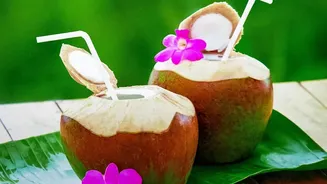
One of the biggest drivers behind coconut's recent surge in popularity is the global shift towards health and wellness. Today's travellers are more health-conscious than ever, and coconut fits perfectly into this narrative. At the carnival, stalls are showcasing this with offerings like naturally sweet and hydrating coconut water served straight from the source, providing a refreshing break from the festivities. Chefs are also highlighting the benefits of virgin coconut oil and using coconut flour to create gluten-free versions of classic baked goods. These creations cater to a modern palate that seeks meals that are not only delicious but also nourishing and aligned with a wellness-focused lifestyle.
Innovation on the Plate
While tradition provides the base, innovation is what's creating the buzz. The carnival is a playground for chefs who are deconstructing and reimagining coconut's role in the kitchen. Imagine a savory coconut yoghurt served with grilled prawns, a deconstructed fish curry where coconut foam replaces a heavy gravy, or crispy coconut-crusted cauliflower tacos. Desserts are getting a similar treatment, moving beyond simple ladoos to feature delicate coconut milk panna cotta, creamy coconut sorbet, and even vegan cheesecakes. These fusion dishes, which blend local ingredients with global techniques, offer a novel experience that excites the palate and showcases the incredible versatility of the fruit.
The Zero-Waste Philosophy
Sustainability is another key trend captivating visitors. The 'whole coconut' philosophy, where every part of the fruit is used, is on full display. This approach goes beyond just the flesh and milk. Chefs are using the tough outer husks to smoke fish and meats, imparting a unique, aromatic flavour. The hard shells, which have traditionally been used for handicrafts, are now being repurposed as stylish, eco-friendly bowls for serving everything from smoothie bowls to curries. This zero-waste mindset not only demonstrates immense creativity but also tells a powerful story about respecting local resources, a narrative that deeply appeals to environmentally conscious tourists.
An Experience Made for Sharing
In the age of social media, we eat with our eyes first, and the coconut-centric dishes at the Andaman carnival seem tailor-made for Instagram. The visual appeal is undeniable. Think vibrant mocktails served in polished coconut shells, bright green pandan-infused coconut jellies, and curries artistically garnished with toasted coconut flakes and edible flowers. This focus on presentation transforms food from mere sustenance into a shareable experience. Visitors are not just enjoying a meal; they are creating content, capturing memories, and broadcasting the carnival's unique culinary identity to a global audience, amplifying the buzz far beyond the islands.