






Big Labels, New Pin Codes
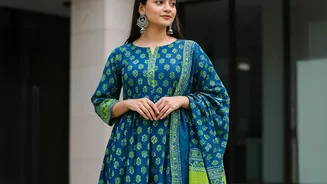
For years, the latest fashion landed in Mumbai or Delhi first. Now, cities like Lucknow, Jaipur, Indore, and Guwahati are the new hotspots for retail growth. This shift is driven by rising incomes and a new generation of shoppers who are connected to
global trends via social media. Brands see a massive opportunity in these aspirational and discerning markets. They recognise that consumers in non-metro cities are just as informed and style-conscious. This expansion is a strategic move to connect with the next wave of Indian fashion consumers.
A Guide to Checking Quality
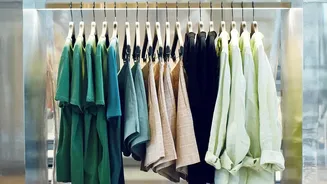
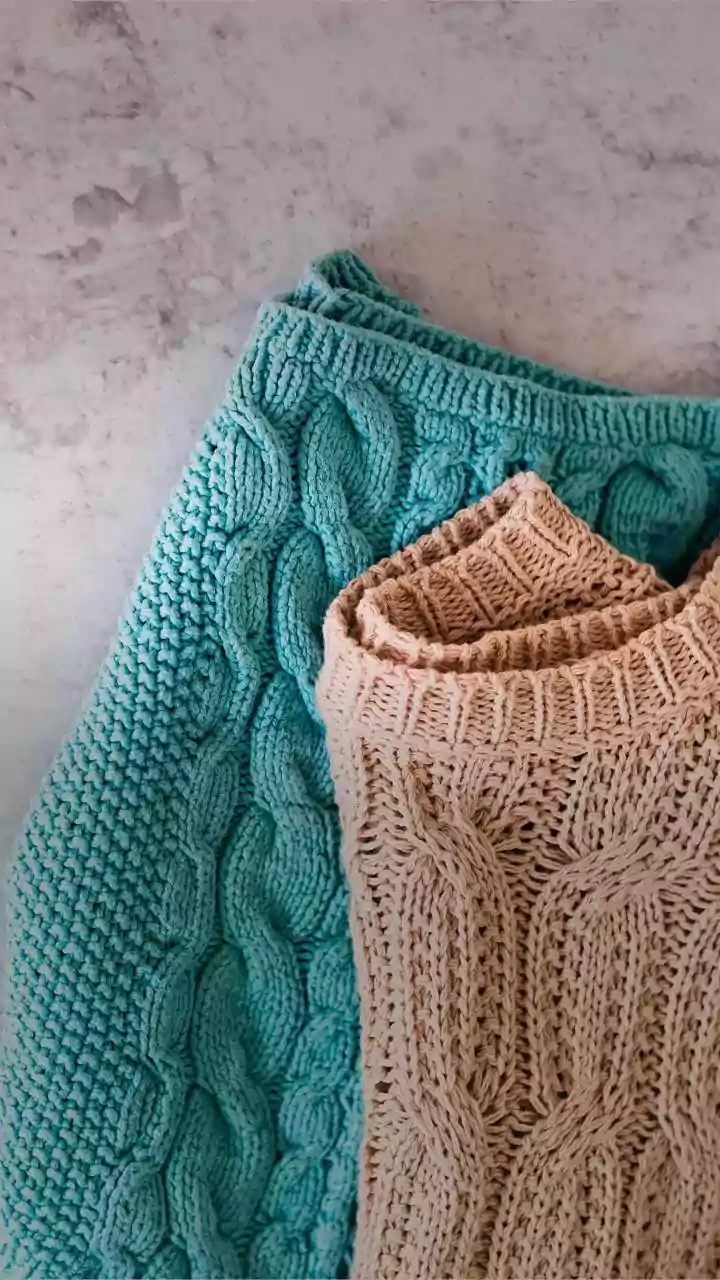
A higher price tag doesn't always guarantee higher quality. Before you buy, become a savvy shopper by checking the details. First, feel the fabric. Natural materials like cotton, linen, and wool generally last longer and feel more comfortable than synthetics like polyester. Next, inspect the stitching. Look for tight, neat seams. If you can see through the stitches or they look loose, it’s a red flag. Also, check pattern matching. On a well-made garment with stripes or prints, the pattern should line up at the seams. Finally, examine the finishing touches like buttons and zippers; they should be securely attached and function smoothly.
Trend Translation vs. Dilution
Are you getting the season's hottest trends or a watered-down version? Brands often localise their collections. What works in a metro might be adapted for regional tastes, climates, and cultural preferences. This isn't necessarily a bad thing, but it's good to be aware. Consumers in smaller cities are exposed to the same global trends online as their metro counterparts. However, the actual products in-store might be more commercial and less experimental. The key is to decide if the item fits your personal style, regardless of whether it's a direct-from-the-runway piece or a more classic interpretation.
The Price Tag Puzzle
One of the biggest questions is about value for money. While operational costs like rent might be lower in non-metro cities, brands often maintain standard pricing across the country. Don't assume you're getting a lower price. Value-conscious shoppers in these markets are willing to pay a premium, but only if the quality, durability, and service justify it. The real value comes from making a thoughtful purchase—an item you'll wear often and that will last. Anecdotal evidence from shoppers suggests that sometimes the quality of products sold online can differ from those in physical stores, making it even more important to check items in person.
The In-Store Experience and Service
Part of a brand's promise is the shopping experience. For many consumers, the ability to touch and feel a product in a well-designed store is crucial for building trust before making a purchase. These stores act as 'validation hubs'. Beyond the layout, pay attention to the service. Are the return and exchange policies clear and fair? Good after-sales service is a key part of the value proposition. In these emerging markets, customer service and the credibility of the physical store matter just as much as the product itself.