


The Hardy Snake Plant
Often celebrated for being nearly indestructible, the Snake Plant is a superb choice for Indian apartments. While many plants release moisture, some, particularly those from arid native environments, are adept at managing the air around them. Though they
thrive in average humidity, they are intolerant of overly damp conditions and their leaves can absorb some excess moisture from the air, especially in enclosed spaces. This makes them a great, low-maintenance addition to bedrooms and living rooms, where they also work to purify the air day and night.
The Elegant Peace Lily
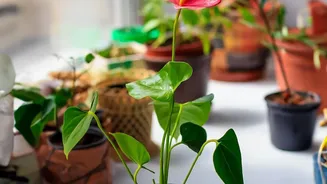
The Peace Lily is a monsoon favourite for a reason. These plants thrive in high humidity, and their broad leaves are effective at absorbing moisture from the air. They are particularly well-suited for bathrooms and kitchens, which are often the dampest areas in a home. Beyond just tackling humidity, Peace Lilies are known to absorb airborne mould spores, helping to keep the air cleaner and fresher. For best results, keep the soil consistently moist but never waterlogged, as this can lead to root rot.
The Prolific Spider Plant
Easy to grow and even easier to propagate, the Spider Plant is another excellent natural dehumidifier. Its arching leaves have a large surface area, which helps in absorbing excess moisture from its surroundings. Like the Snake Plant, it is a forgiving houseplant, making it perfect for beginners. Place it in a hanging basket to allow for good air circulation and to let its 'spiderettes' dangle freely. It’s a functional and decorative solution for battling stuffy, humid rooms.
The Lush Boston Fern
Boston Ferns are classic humidity-loving plants. Their dense, feathery fronds not only add a touch of lush greenery but also act as natural sponges, soaking up ambient moisture. These ferns thrive in the damp conditions that monsoons create, making them a perfect natural regulator for indoor humidity. To keep a Boston Fern happy, place it in a spot with bright, indirect light and ensure its soil remains consistently moist. They are especially effective in living rooms or covered balconies.
The Versatile English Ivy
English Ivy is a beautiful trailing vine that is highly effective at reducing indoor humidity and combating mould. Studies have shown that it can significantly reduce the amount of airborne mould particles, which often proliferate in damp monsoon weather. This makes it an ideal plant for allergy sufferers. It grows well in hanging baskets or on shelves where its vines can cascade down. It prefers bright, indirect light but is adaptable to lower light conditions, making it suitable for various spots around the apartment.
Harnessing the Power of Clay
Beyond plants, natural clay tools offer a simple, electricity-free way to fight moisture. Unglazed terracotta or clay pots are porous, meaning they have microscopic holes that naturally absorb water. Using these pots for your humidity-loving plants creates a synergistic effect; the pot itself will wick away excess moisture from the soil and the air. You can also place decorative, unglazed clay bowls or objects in damp corners or wardrobes. For a more targeted approach, small bags of bentonite clay can act as a natural desiccant, absorbing moisture and odours in enclosed spaces like cabinets and shoe racks.