



The ‘Eat Me First’ Revolution
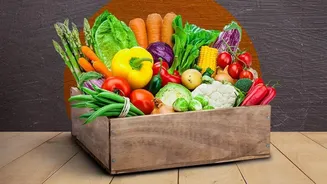
The concept is brilliantly simple. A 'use-first' or 'eat me first' box is a designated, highly visible container in your refrigerator for produce that needs to be eaten soon. It’s a visual reminder for your entire household, transforming items that might
get lost in a drawer into top-of-mind ingredients. Instead of letting that half-used bell pepper or bunch of herbs wilt in obscurity, you place it front and center. This simple act of organization creates a system that prompts you to consume what you have before it spoils, tackling food waste at the source. The goal isn't to have a perfectly curated refrigerator, but to make sure the food you've already paid for gets used.
Setting Up Your System for Success
Creating your own use-first system takes just a few minutes. Choose a clear bin or any open container that fits on a main shelf in your fridge. Placement is critical: it must be at eye level. If it’s hidden, it defeats the purpose. You can label the bin “Eat First” to make its function clear to everyone in the house. The key is to build a habit. Every time you unload groceries or notice an item starting to turn, move it to the box. Before you start cooking any meal, make it a rule to check the box for ingredients you can incorporate. This habit shifts your cooking mindset from “What do I want to make?” to “What needs to be used?”
What Goes in the Box?
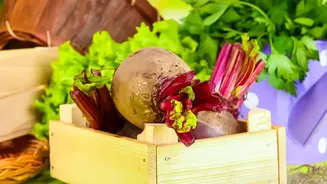
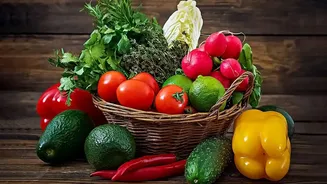
Your use-first box is a dynamic collection of items on a timeline. It’s the perfect home for produce that's still good but has lost its peak freshness. Think slightly soft tomatoes, leafy greens that are beginning to lose their crispness, ripe avocados, or that last handful of berries. It’s also ideal for the odds and ends of meal prep: half an onion, a wedge of lemon, a few sprigs of herbs, or leftover cooked vegetables. Any produce nearing its expiration or showing signs of aging—but is not yet spoiled or moldy—is a candidate. This proactive sorting keeps these items from being forgotten in the crisper drawer until it's too late.
Smart Storage Extends Freshness
While the use-first box is for produce on its way out, proper storage from the start can extend the life of everything you buy. A crucial rule is to separate fruits that produce ethylene gas (like apples, bananas, and tomatoes) from ethylene-sensitive vegetables (like carrots and leafy greens), as the gas accelerates decay. Many fruits should ripen at room temperature and then be moved to the fridge. For leafy greens, ensure they are dry and consider wrapping them in a paper towel inside a bag or container to absorb excess moisture, which helps them stay crisp. Berries can also last longer if washed in a diluted vinegar solution and dried thoroughly before refrigeration.
Meal Planning with a Purpose
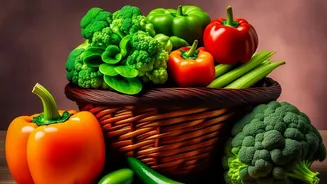
The true power of the use-first box is realized when it integrates with your meal planning and shopping habits. Before you even think about writing a grocery list, open the fridge and take inventory of your box. This is your starting point. That handful of wilting spinach, soft bell pepper, and half an onion are the beginnings of a frittata, a stir-fry, or a pasta sauce. Fruits that are a little too ripe are perfect for smoothies; simply chop them up and keep them in a designated freezer bag. Building one or two meals a week around the contents of your box not only prevents waste but also sparks culinary creativity and saves you from buying ingredients you don't truly need.