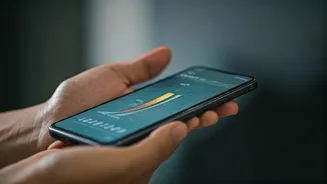









Track Every Rupee with Built-in Tools
The biggest downside of seamless digital payments is that spending money no longer feels like spending money. [9] Small, frequent transactions for groceries, food delivery, or transport can add up quickly, draining your budget without you realising it.
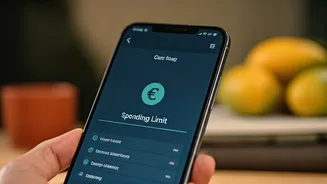
[5, 15] The first and most crucial habit is to actively track your UPI expenses. Most popular UPI apps like Google Pay, PhonePe, and Paytm have built-in expense tracking features that automatically categorise your spending. [2] Make it a weekly habit to review these summaries. This gives you a clear picture of where your money is going, helping you identify areas where you can cut back. [4] For more detailed analysis, you can use third-party budgeting apps that allow you to manually log or import your UPI transaction history for a granular breakdown. [21]
Hunt for Meaningful Cashback and Rewards
Many UPI apps offer cashback and rewards, but it's crucial to be smart about chasing them. [5] The era of guaranteed cashback on every transaction from major apps is largely over. [6] Instead of making purchases just to earn a small reward, treat cashback as a bonus, not the primary motivation. [5] Pay attention to newer, cashback-focused apps that might offer more consistent returns on merchant payments. [6, 7] Also, look for rewards linked to RuPay credit cards on UPI, which can offer a higher percentage of savings. [8] The key is to check the fine print for minimum spending requirements and restrictions to ensure the offer is genuinely beneficial and doesn't lead to overspending. [5]
Create a Dedicated ‘Spending’ Account
A powerful psychological trick to control spending is to separate your UPI payment account from your main salary or savings account. [9] Consider opening a zero-balance digital savings account, which can be done quickly online. [9] At the beginning of each month, transfer a fixed 'spending budget' into this account and link it to your primary UPI app. Once the balance in this account runs out, your UPI payments will simply stop going through, acting as a hard stop for your discretionary spending. This method enforces your budget automatically and protects your core savings from impulse purchases. [9]
Use UPI Lite for Small, Frequent Payments
For all the small-ticket items like tea, snacks, or auto rides, use the UPI Lite feature available on many payment apps. [9] UPI Lite is an on-device wallet that you can load with a certain amount (e.g., up to ₹5,000) for making quick payments up to ₹1,000 without entering a PIN each time. [9] The primary financial benefit is that these small transactions don't clutter your main bank statement, making it easier to track larger, more significant expenses. Furthermore, some banks have a limit on free monthly debit transactions and charge a fee thereafter. Using UPI Lite for micro-payments can help you stay under this limit, saving you from unnecessary bank charges. [9]
Review and Cancel Autopay Mandates
Subscription services are notorious for quietly draining accounts long after you've stopped using them. UPI's AutoPay feature, while convenient for recurring bills, makes it easy to forget about ongoing deductions. Make it a quarterly habit to review all your active UPI autopay mandates. The National Payments Corporation of India (NPCI) offers a centralised website (upihelp.npci.org.in) where you can see all active mandates across all your UPI apps and revoke them instantly. [22] This simple check can save you a significant amount of money by cutting off subscriptions you no longer need.
Double-Check Before You Pay
While not a direct saving habit, preventing accidental losses is just as important. A common mistake is sending money to the wrong UPI ID due to a typo or a hurried tap. [5] Unlike some other payment methods, UPI transactions are instant and often irreversible. [5, 20] Before confirming any payment, always take a few extra seconds to verify the recipient's name that appears on the screen. [5] This simple check can prevent the stress and potential financial loss of an erroneous transfer. Also, remember that you never need to enter your UPI PIN to receive money; requests for a PIN to get a payment are always a scam. [12, 24]