



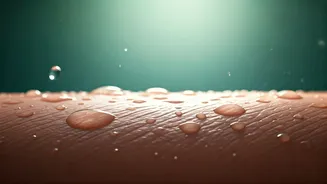


What Is Your Skin Barrier?
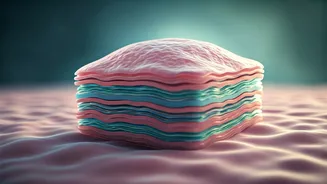
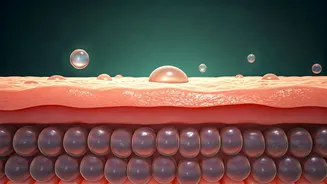
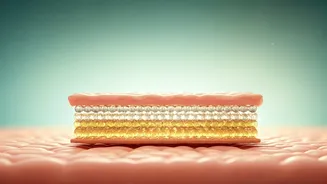
Think of your skin barrier, or the stratum corneum, as a well-built brick wall. The 'bricks' are your skin cells (corneocytes), and the 'mortar' holding them together is a mix of natural lipids like ceramides, cholesterol, and fatty acids. This wall has
two crucial jobs: it keeps good things like water in, preventing dehydration, and it keeps bad things like pollutants, bacteria, and allergens out. When this barrier is healthy and intact, your skin feels soft, hydrated, and calm. When the mortar starts to crumble, problems begin.
How Monsoon Wreaks Havoc
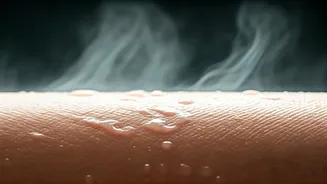
The extreme humidity of the monsoon is the primary antagonist. Your skin is constantly damp, which paradoxically leads to dehydration. The high moisture in the air can disrupt the barrier's natural lipid balance and increase transepidermal water loss (TEWL), where water escapes from the deeper layers of your skin. Furthermore, the damp environment is a breeding ground for bacteria and fungi, leading to more frequent breakouts and infections. Constant sweating and the temptation to wash your face too often with harsh cleansers can strip away those essential lipids, leaving your barrier weak and vulnerable.
Signs of a Damaged Barrier
How do you know if your barrier is calling for help? It's not always obvious, but the signs are common during this season. Your skin might feel tight and dry, even if it looks oily on the surface. You might experience increased sensitivity, redness, and inflammation. Products that you normally love might suddenly start to sting or cause irritation. Other tell-tale signs include persistent acne, flaky patches, and a general lack of radiance. Essentially, your skin becomes reactive and unpredictable because its protective shield is down.
Your Barrier Repair Toolkit: Key Ingredients
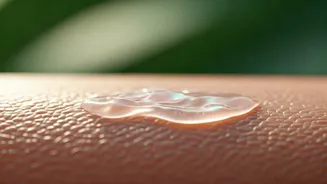
Repairing your barrier isn't about adding a dozen new steps; it's about choosing the right ingredients. Look for these heroes in your cleansers, serums, and moisturisers: - **Ceramides:** These are the lipids that naturally make up over 50% of your skin's mortar. Adding them back topically is like directly patching up the holes in your barrier. - **Hyaluronic Acid:** A powerful humectant that draws moisture into the skin. It hydrates without feeling heavy or greasy, which is perfect for humid weather. - **Niacinamide (Vitamin B3):** A multi-tasking wonder. It helps your skin produce more of its own ceramides, reduces inflammation and redness, and helps regulate oil production. - **Fatty Acids & Cholesterol:** Ingredients like shea butter, squalane, and oils rich in linoleic acid help replenish the lipid mortar. - **Panthenol (Vitamin B5):** A soothing and hydrating ingredient that helps reduce irritation and supports the skin's healing process.
A Simple Monsoon Repair Routine
Forget complex, 10-step routines that can further irritate a compromised barrier. During the monsoon, simplicity and nourishment are key. 1. **Cleanse Gently:** Swap foaming, stripping cleansers for a pH-balanced, non-foaming cream or gel cleanser. Wash your face no more than twice a day. 2. **Hydrate and Soothe:** Immediately after cleansing, while your skin is still damp, apply a hydrating toner or essence containing ingredients like hyaluronic acid or panthenol. 3. **Repair with a Serum:** This is where you target the problem. Use a serum with niacinamide or a ceramide complex to actively rebuild your barrier. 4. **Moisturise Smartly:** Don't skip moisturiser! It's essential for locking everything in. Choose a lightweight, gel-based, or non-comedogenic lotion that contains barrier-supporting ingredients. This creates a seal to prevent water loss.