






Why Temperature Is a Game-Changer
Making coffee is a process of extraction. Hot water acts as a solvent, dissolving the flavour compounds—acids, sugars, and oils—from the ground beans. The temperature of that water dictates how quickly and effectively this happens. It's the difference
between unlocking the bean's full potential and creating a cup that's either harsh or disappointingly weak. Think of temperature as the gas pedal for flavour extraction; it controls the speed and intensity of the process. Getting it right is crucial for achieving that delicious balance you crave.
The Taste of 'Too Hot'
Using water that is too hot, especially boiling (100°C), is a common mistake that leads to over-extraction. This aggressive heat pulls out too many compounds too quickly, including the undesirable ones like tannins. The result is a coffee that tastes bitter, astringent, or even burnt. Instead of a complex and sweet flavour profile, you get a harsh, flat taste that can feel dry on the palate. While the water won't literally 'burn' the grounds, which have already seen much higher temperatures during roasting, it creates an imbalanced extraction that masks the coffee's delicate notes.
The Problem with 'Too Cold'
On the other end of the spectrum, water that isn't hot enough leads to under-extraction. When the temperature is too low, the water lacks the energy to properly dissolve all the desirable flavour compounds, especially the sugars and oils that give coffee its sweetness and body. This results in a cup that can taste sour, thin, and hollow. You might notice a sharp, acidic flavour without any of the rich depth you'd expect from your beans. Essentially, you're leaving the best parts of the coffee's flavour locked inside the grounds.
Finding the 'Golden Range'
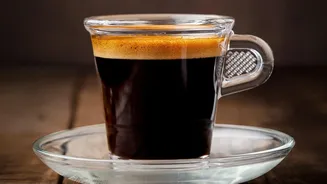
So, what's the perfect temperature? According to the Specialty Coffee Association (SCA) and numerous coffee experts, the ideal range for brewing is between 90°C and 96°C (195°F to 205°F). This 'sweet spot' is hot enough to dissolve all the right compounds for a balanced cup but cool enough to avoid pulling out the harsh, bitter ones. For most espresso and espresso-style methods, aiming for the lower to middle end of this range, around 92°C to 94°C, helps balance the accelerated extraction that happens under pressure. If you don't have a temperature-controlled kettle, a good rule of thumb is to let a fully boiled kettle sit for about 30 to 60 seconds before you start brewing.
Tips for Your Home-Brew Method
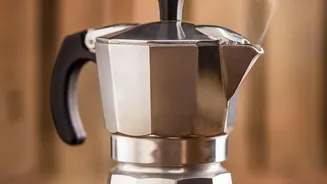
How you control temperature depends on your gear. For espresso machines with a PID controller, you can set the exact temperature. For a Moka pot, many experts recommend starting with hot, just-off-the-boil water in the bottom chamber rather than cold water. This reduces the time the pot spends on the stove, preventing the grounds from getting 'baked' and developing a metallic or bitter taste. For methods like an AeroPress, the device is very forgiving, and you can experiment with a wide range of temperatures—from 80°C to 96°C—to produce different flavour profiles. Remember that roast level also plays a role; darker roasts are more soluble and often do better with slightly cooler water (around 90°C–92°C), while lighter roasts may need hotter water (94°C–96°C) to fully extract their flavours.