








The Old Way: The Limits of Calorie Counting
Calorie counting has long been the default method for weight loss. The logic seems simple: consume fewer calories than you burn, and you'll lose weight. While the laws of thermodynamics are undeniable, this approach has significant flaws. Firstly, it
creates a psychological burden. Meticulously tracking every morsel can lead to food-related anxiety and an unhealthy obsession with numbers over nourishment. Secondly, it treats all calories as equal. 100 calories from a sugary drink impact your body very differently than 100 calories from a bowl of dal or a handful of almonds. The former causes a rapid blood sugar spike and subsequent crash, while the latter provides sustained energy, protein, and, crucially, fibre.
Enter Fibre: The Satiety Superstar
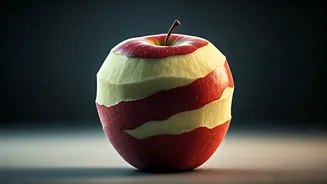
This is where fibre changes the game. Dietary fibre is a type of carbohydrate that the body can't digest. Instead of being broken down for energy, it passes through your system, working its magic along the way. Its most immediate superpower is promoting satiety, or the feeling of fullness. Soluble fibre, found in oats, beans, and apples, forms a gel-like substance in your digestive tract, slowing down digestion and keeping you feeling full for much longer. This means you naturally tend to eat less throughout the day without the mental effort of counting every calorie. You're simply not as hungry.
Beyond Fullness: The Gut Health Revolution
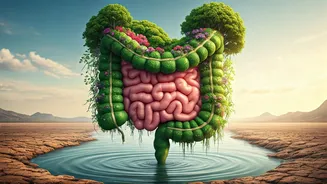
The benefits of fibre go far beyond just keeping you full. Our gut is home to trillions of microbes, collectively known as the gut microbiome, which play a critical role in everything from digestion to immune function and even mental health. These beneficial bacteria need food to thrive, and their favourite food is fibre. A high-fibre diet nourishes a diverse and healthy gut microbiome. In turn, these microbes produce short-chain fatty acids (SCFAs), which have been shown to improve insulin sensitivity, reduce inflammation, and strengthen the gut barrier. Calorie counting, on the other hand, completely ignores this vital aspect of health. You can eat a low-calorie diet full of processed foods and starve your beneficial gut bacteria, leading to long-term health consequences.
Stabilising Your Energy and Cravings
Ever experienced that mid-afternoon slump after a carb-heavy, low-fibre lunch? That's the result of a blood sugar rollercoaster. Highly processed foods are digested quickly, flooding your bloodstream with sugar and prompting a large insulin release to manage it. This often leads to a 'crash' that leaves you feeling tired and craving more quick energy (i.e., more sugar). High-fibre foods prevent this. Because they slow down digestion, sugar is released into the bloodstream much more gradually. This leads to stable blood sugar levels, consistent energy throughout the day, and dramatically reduced cravings for unhealthy snacks. It's a proactive way to manage your appetite, rather than a reactive battle of willpower.
A More Sustainable and Joyful Approach
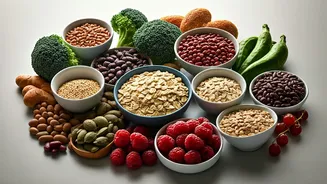
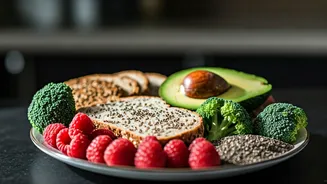
Perhaps the most significant advantage of a fibre-focused approach is its sustainability. Calorie counting is a diet; focusing on fibre is a lifestyle. It shifts the mindset from restriction to abundance. Instead of asking, "What can't I eat?" you start asking, "How can I add more fibre-rich whole foods to this meal?" This simple switch encourages you to eat more vegetables, fruits, legumes, nuts, seeds, and whole grains—all foods packed with vitamins, minerals, and antioxidants. It brings the joy back to eating by focusing on nourishing, delicious food rather than a punishing numerical target. This makes it a habit you can stick with for life, not just for a few weeks.