




Why Your Bowls Deserve a Closer Look
From serving dal to mixing dough, bowls are essential in every Indian kitchen. We trust them with our food daily, yet we rarely inspect them for signs of ageing. Damage isn't just about looks; deep scratches, cracks, and pitting can become breeding grounds
for harmful bacteria like E. coli and Salmonella that even thorough washing might not remove. Furthermore, damaged surfaces can compromise the integrity of the material, potentially leaching unwanted substances into your meals. A few minutes spent checking your bowls can prevent food-borne illnesses and ensure your family's well-being.
The Truth About Stainless Steel
Stainless steel is prized for its durability and is a staple in India. However, it's not invincible. Look for deep scratches, which can be caused by harsh scouring pads or metal utensils. These scratches can trap food particles and become difficult to clean, potentially harbouring bacteria. Also, inspect for any signs of rust or pitting—small, dark spots on the surface. While high-quality, food-grade stainless steel is designed to resist corrosion, lower-quality bowls or those frequently exposed to salty or acidic foods for long periods can degrade. If a bowl is warped and doesn't sit flat, it may heat unevenly, which is more of a concern for cooking but indicates significant wear.
Ceramic and Its Hidden Dangers
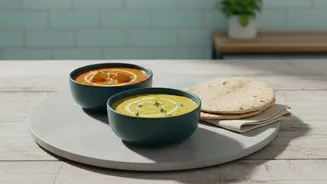
Ceramic bowls, with their vibrant glazes, can hide serious risks when damaged. The most obvious flaw is a chip, which can create sharp edges and should be a reason for immediate disposal, especially if on the rim. A more subtle issue is crazing—a fine network of hairline cracks in the glaze. These tiny fissures are perfect hiding spots for bacteria and can make the bowl impossible to sanitize properly, especially after contact with moist foods. In older or poorly made ceramics, a compromised glaze can also increase the risk of lead or cadmium leaching into food, particularly acidic ones. If you see cracks or crazing, it's safest to retire the bowl from food use.
Plastic Bowls: A Convenient Risk
Plastic bowls are lightweight and convenient, but they require the most frequent checks. Scratches are the main enemy here. Not only do they create a haven for bacteria that is tough to clean, but they also signal the breakdown of the plastic. This degradation, especially when combined with heat from a microwave or dishwasher, can increase the chance of chemicals like BPA and phthalates leaching into your food. Discard any plastic bowls that are heavily scratched, stained, or have developed a persistent odour even after washing. Never use single-use plastic containers for long-term storage or reheating.
A Note on Glass and Wood
Glass bowls are generally safe and non-reactive, but their weakness is fragility. A chip or crack, no matter how small, can compromise the structural integrity of the bowl. This makes it more susceptible to shattering from thermal shock (a sudden temperature change) or even during washing. Sharp edges from a chip are also a clear injury risk. Wooden bowls, while natural, are porous. They should be retired if they develop deep cracks or splits, which can trap moisture and food, leading to mould or bacterial growth. They also require special care and should not be soaked in water.
When to Repair, When to Replace
For most of these issues, replacement is the safest option. A chipped ceramic or glass bowl cannot be safely repaired for food use. While some suggest sanding down a chip on glassware to smooth the edge, this further weakens the item and is best avoided for food containers. Scratched plastic should be discarded or repurposed for non-food storage. Deeply pitted or rusted stainless steel is also past its prime. While usable items in good condition can be donated, broken or compromised bowls should be disposed of responsibly. Broken ceramics often go into residual waste, while scrap metal may be recyclable at a dedicated facility.