





The Backlash Against Burnout
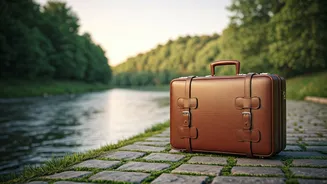
For years, the gold standard of a successful trip was seeing and doing as much as possible. This often meant multi-city trips with days scheduled down to the hour, moving from one landmark to the next. [12] The result? Travel burnout. This exhaustion
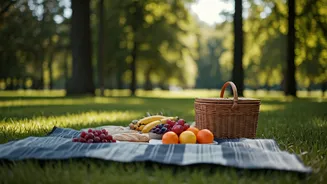
isn't just jet lag; it's a deeper fatigue from the constant logistics of packing, planning, and adapting to new environments without a moment for rest. [15, 19] After years of hyper-productivity, travellers in 2026 are actively seeking a mental reset, leading to a backlash against itineraries that leave them more drained than when they left. [1, 12] The desire to return home feeling restored, not exhausted, is a primary driver for abandoning the frantic pace. [5]
Enter 'Slow Travel': A Shift in Mindset
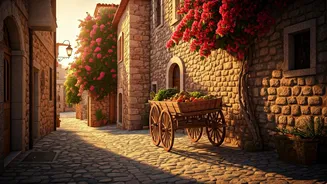
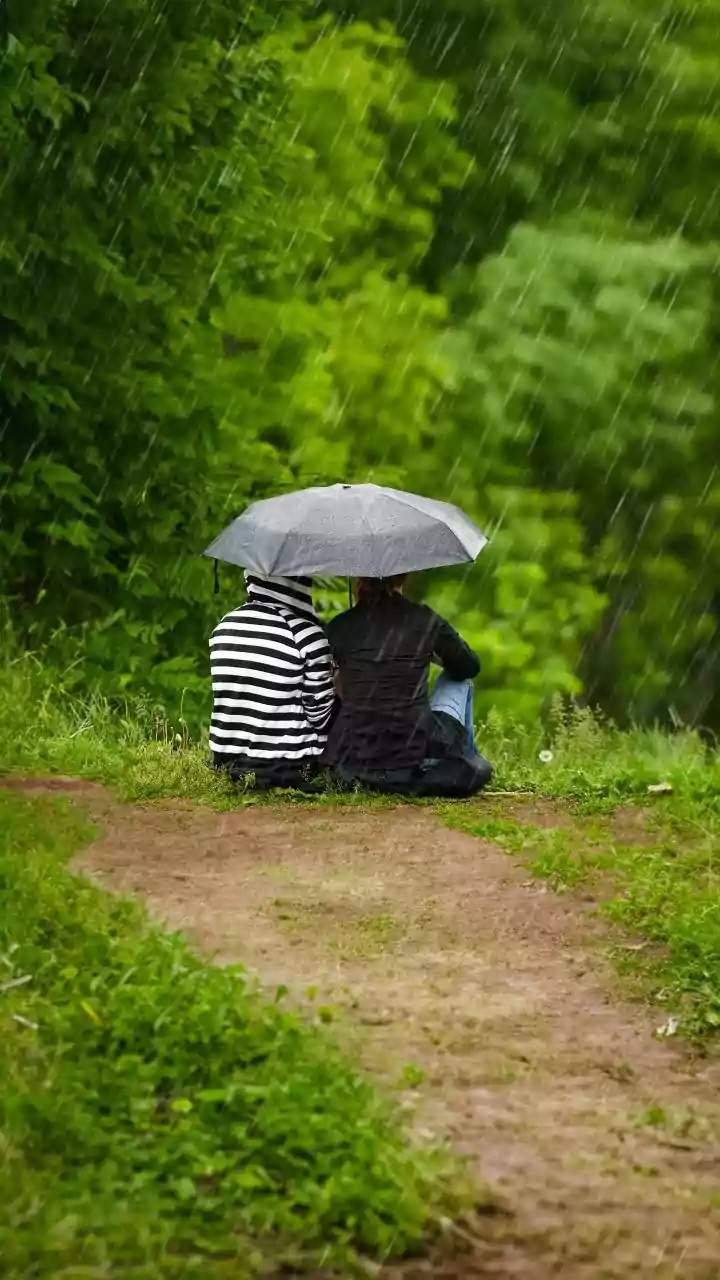
In response to travel burnout, 'slow travel' has moved from a niche concept to a dominant philosophy. [1] At its core, slow travel prioritises depth over breadth. Instead of hitting five cities in ten days, a slow traveller might spend the entire time in one location, staying in a residential neighbourhood and exploring at a walking pace. [2] The movement traces its roots to the Slow Food movement of the 1980s, which championed local culinary traditions against the rise of fast food. [2, 7] Today, it’s about trading a packed schedule for a flexible one, allowing for spontaneous discoveries and genuine immersion in a place’s daily rhythms. [2, 9] This approach isn’t just about slowing down; it’s about experiencing a destination, not just consuming it. [4, 5]
The Search for Deeper Connection
A key reason rushed itineraries are losing their appeal is a growing desire for authentic connection. [9] Slow travel allows for the kind of immersion that checklist tourism makes impossible: building relationships with locals, understanding regional customs, and discovering hidden gems that aren't in guidebooks. [9, 11] Many travellers now seek to understand the soul of a destination, not just its statistics. [4] This pivot reflects a broader post-pandemic shift in values, where people prioritise meaningful experiences and personal growth. [18] Spending more time in one place makes it easier to support small, family-run businesses, keeping more money in the local economy and fostering a more ethical approach to tourism. [2, 7]
Post-Pandemic Priorities and Smarter Planning
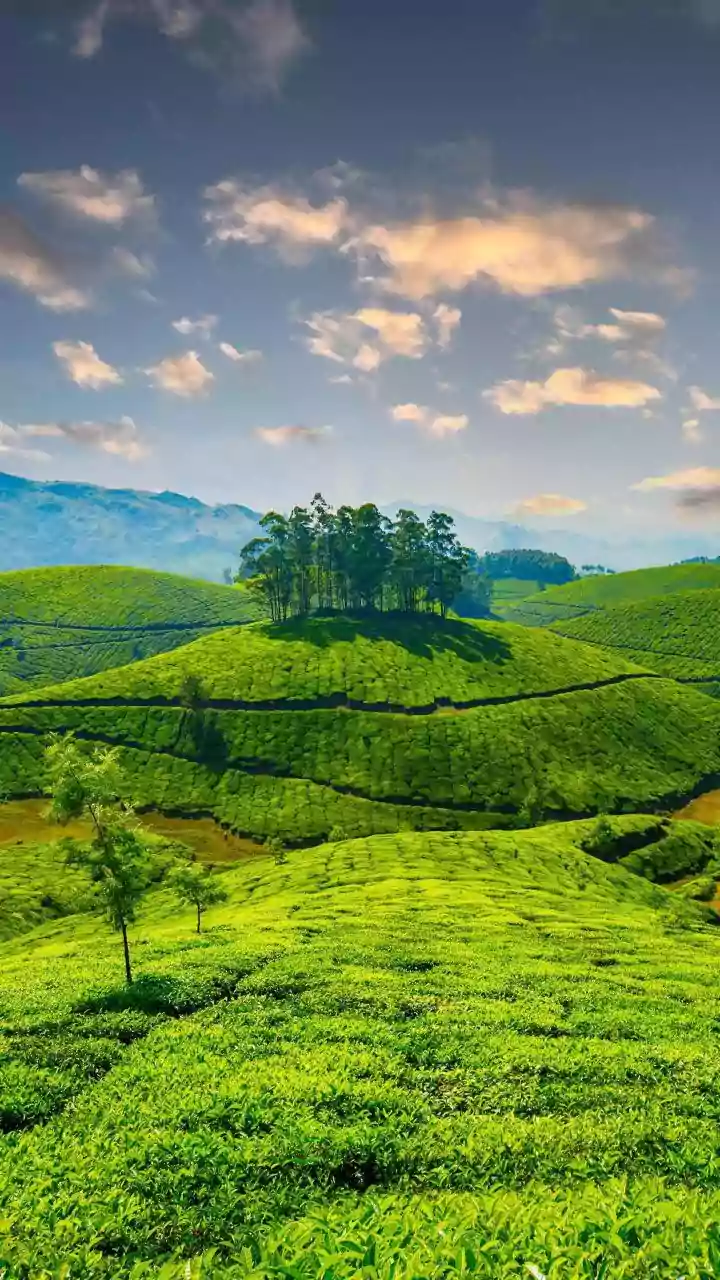
The global pause during the pandemic forced a collective re-evaluation of priorities. [18] As travel resumed, it did so with more intention. [2, 7] The frantic 'revenge travel' phase has faded, replaced by more thoughtful decisions about destinations and budgets. [4] Travellers are now planning smarter, seeking out nature, outdoor activities, and less-crowded destinations. [3, 14] The rise of remote work has also been a major factor, with more people able to take longer trips that blend work and exploration. [4] This structural shift has made extended stays more feasible, allowing people to live like a local for weeks or months at a time. [4]
The Surprising Economics and Ethics of Slowing Down
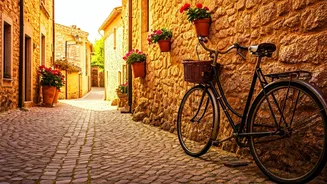
While a longer trip might seem more expensive, slow travel can often be more budget-friendly. [11] By staying in one place, travellers drastically cut down on transportation costs. [7, 11] Furthermore, longer stays often come with significant discounts on accommodation. [2] Living in one spot allows you to find neighbourhood grocery stores and local eateries, avoiding the high prices of tourist-strip restaurants. [7] Beyond the financial benefits, there's a growing awareness of travel's environmental impact. [9] By reducing flights and using local transport like trains or bicycles, slow travellers significantly reduce their carbon footprint, aligning their vacation with sustainability goals. [1, 9]