



Terror in the Cockpit
On a recent flight from Dubai to Tel Aviv, chaos erupted. Reports indicate a violent confrontation occurred between the two pilots, with one allegedly stabbing the other in an attempt to crash the plane. The aircraft, carrying around 170 passengers, plunged
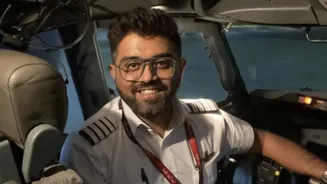
from 33,000 feet to 17,000 feet in about a minute, triggering fears of a hijacking. Despite his serious injuries, the captain, identified as Indian national Smit Machchhar, managed to open the cockpit door, allowing crew and passengers to intervene and subdue the attacker. The plane diverted and landed safely in Tabuk, Saudi Arabia, but the incident serves as a stark reminder of how quickly a routine flight can turn into a critical emergency.
The Startle Effect and the First Seconds
When an unexpected crisis hits, the first few moments are not about heroic action, but about overcoming a powerful human instinct: the startle effect. Aviation experts define this as an involuntary reflex to a sudden, threatening event. It can cause a brief period of confusion, muscle tension, and even a cognitive freeze, momentarily disrupting a pilot's ability to process information. The difference between a close call and a catastrophe often depends on what happens in these initial seconds. Training aims to help pilots move through this phase quickly, from the initial shock to a state of calm assessment. The goal is to avoid an instinctive, and potentially wrong, reaction—like pulling back on the controls during a stall—and instead begin a deliberate problem-solving process.
It’s Not One Number, It’s About the Crisis
So how much time is there? The answer depends entirely on the nature of the emergency. An explosive decompression at high altitude might leave pilots with only seconds of useful consciousness to don oxygen masks. Conversely, an engine fire after takeoff requires a more methodical approach; pilots are trained to first stabilize the aircraft and climb to a safe altitude before running through checklists to manage the fire. For a total engine failure at cruising altitude, a commercial jetliner effectively becomes a glider, potentially giving the crew 20 to 30 minutes to find a suitable place to land. The response time isn't a single figure but a variable dictated by the specific failure, the phase of flight, and the aircraft's altitude.
Training for the Unthinkable
Pilots spend their careers preparing for moments they hope will never happen. This preparation goes far beyond classroom learning. The cornerstone of emergency training is the flight simulator, a high-tech marvel that can replicate almost any conceivable crisis, from engine failures and fires to instrument malfunctions and extreme weather. In these sessions, pilots build muscle memory by repeatedly practicing emergency procedures until they become second nature. This rigorous, hands-on training is designed to equip them with the technical skills and mental fortitude to manage immense stress, evaluate complex situations, and make sound decisions under extreme pressure.
Aviate, Navigate, Communicate
In any crisis, pilots are trained to follow a simple but critical mantra: Aviate, Navigate, Communicate. The absolute first priority is always to fly the airplane—maintain positive control. Once the aircraft is stabilized, the next step is to navigate: figure out where you are and where you need to go, whether that's continuing to the destination or diverting to the nearest suitable airport. Only after those two vital tasks are under control do pilots focus on communicating the situation to air traffic control and the cabin crew. This hierarchy ensures that the most critical tasks for survival are handled first. This entire process is supported by Crew Resource Management (CRM), a set of principles focused on clear communication, teamwork, and decision-making to mitigate human error in the cockpit.