





Why Monsoon Gardening is Different
Gardening during the Indian monsoon is a unique challenge compared to any other season. The period from June to September drenches gardens with heavy rainfall, often in short, intense bursts. This creates a double-edged sword for your plants. On one hand,
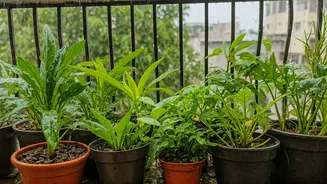
the cooler temperatures, high humidity, and abundant water can spur incredible growth. On the other hand, these same conditions create the perfect storm for problems like waterlogged soil, fungal diseases, and the dreaded root rot, which can quickly kill a plant. Balcony plants are especially vulnerable due to their limited pot space and exposure. Smarter planting isn't just about choosing pretty flowers; it's about creating a resilient ecosystem that can handle both the blessings and the battles of the rainy season.
The Right Plants for Rain
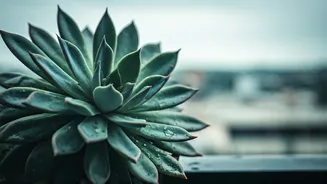
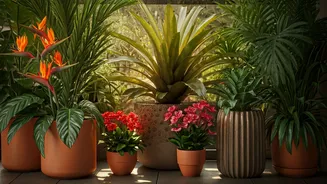
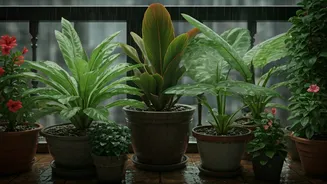
Your first step is selecting plants that thrive in, or at least tolerate, the wet and humid conditions of the monsoon. Forget delicate succulents for now, as they are prone to rot with excess moisture. Instead, opt for hardy, rain-friendly varieties. Flowering plants like Balsam, Periwinkle, and Hibiscus add a splash of colour and perform well. Marigolds are another excellent choice, not just for their sunny blooms but because they are naturally pest-repellent. For lush foliage, consider plants that love humidity, such as Areca Palm, Money Plant, and various ferns. And don't miss the magical Rain Lily, a small bulbous plant that, true to its name, sends up delicate flowers after a good shower. If you have a bit of space, herbs like mint, lemongrass, and tulsi also grow vigorously during this season.
Master Your Soil and Drainage
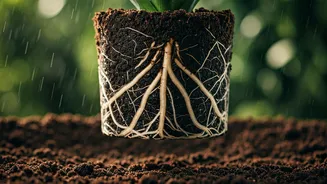
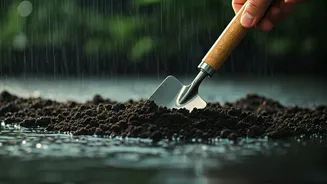
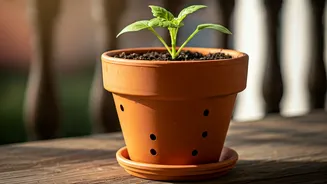
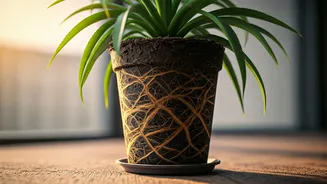
This is the most critical part of successful monsoon gardening. The biggest killer of potted plants during the rains is root rot from waterlogged soil. Your pots absolutely must have drainage holes at the bottom. If they don't, water has no way to escape, and the roots will essentially drown. To further improve drainage, you can elevate your pots using small bricks or dedicated 'pot feet', which allows water to flow freely away and improves air circulation. The soil itself is just as important. Never use heavy garden soil alone, as it compacts easily. Instead, create a well-draining potting mix. A good formula is a mix of garden soil or coco-peat, compost for nutrients, and something to improve aeration like coarse sand or perlite. This lightweight mix ensures that while the soil stays moist, it doesn't become a soggy mess.
Strategic Placement and Potting
Where you place your plants matters. While they need water, constant, heavy downpours can damage delicate leaves and flowers. If possible, move sensitive plants to a more sheltered part of your balcony during intense storms. Also, be mindful of wind, which can be strong during monsoon squalls and can topple tall plants. Grouping pots together can offer some mutual protection. When it comes to pot choice, terracotta is often better than plastic during the monsoon. The porous nature of clay pots allows for better soil aeration and helps excess moisture evaporate. Also, resist the urge to put a small plant in a very large pot. The excess soil will hold water that the small root system can't absorb, creating a prime environment for rot.
Watering, Feeding, and Pest Control
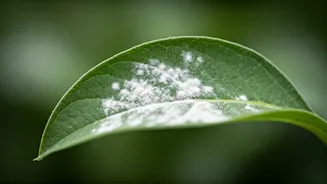
It seems odd to talk about watering during the monsoon, but it's crucial. Do not stick to your regular watering schedule. With high humidity and frequent rain, your plants may not need manual watering for days. The best rule is to stick your finger an inch or two into the soil; if it feels moist, leave it alone. Fertilizing also needs to be adjusted. Heavy rains can wash nutrients out of the soil quickly, but over-fertilizing can be harmful. It's better to apply a small amount of organic compost every few weeks rather than using strong chemical fertilizers. Finally, the damp conditions are ideal for pests and fungi. Keep a close eye on your plants and ensure good air circulation by not crowding them too much. A preventive spray of neem oil solution every couple of weeks can help keep common pests and fungal issues at bay.