




A Precarious Balance Sheet
As of mid-October 2026, Chennai's six key reservoirs are holding a combined 4,486 million cubic feet (mcft) of water, which is approximately 34% of their total capacity of 13,222 mcft. This figure is a cause for both relief and concern. On one hand, it's
a significant buffer against the water scarcity that led to the 'Day Zero' crisis in 2019. On the other hand, it is considerably lower than the same period in previous years, raising questions about summer water supply if the monsoon underperforms. The northeast monsoon, which officially arrived on October 15th, five days ahead of schedule, is the city's primary source of rainfall and will be the deciding factor.
The Two-Sided Coin of Monsoon
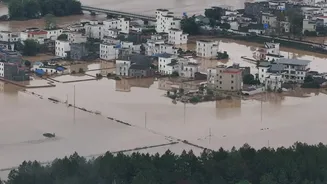
For Chennai, the monsoon is a double-edged sword. Insufficient rain means the reservoirs won't be replenished, putting severe stress on the city's water supply for the coming year. The Tamil Nadu Chief Minister recently highlighted this dependency, noting the reservoirs were only at 35% capacity while seeking additional water from neighbouring states. Conversely, too much rain in a short period can overwhelm the system. With lakes already holding a third of their capacity, a heavy downpour could force authorities to release large amounts of water, raising the risk of flooding in low-lying areas. It's a delicate balancing act between conserving every drop and ensuring the safety of citizens.
More Than Just Rain Gauges
Surviving the monsoon isn't just about how much water is in the big reservoirs like Poondi, Chembarambakkam, and Red Hills (Puzhal). The city's resilience depends on a much wider network. The Greater Chennai Corporation (GCC) has been undertaking extensive pre-monsoon work, including desilting stormwater drains, clearing waterways, and readying over 1,000 high-powered pumps. Officials have identified 219 flood-vulnerable locations and have been constructing new drains and taking other mitigation measures to prevent waterlogging. These efforts are crucial, as clogged drains and encroached waterways can cause flooding even during moderate rainfall, preventing rainwater from reaching the reservoirs or recharging the groundwater.
Infrastructure and Preparedness
State officials have expressed confidence, stating that nearly 98% of monsoon preparedness works have been completed. This includes everything from strengthening canals and clearing silt catch pits to ensuring power infrastructure can withstand the weather. A team of ministers has been appointed specifically to oversee preparedness and rescue efforts in Chennai's various zones. However, experts caution that true water security goes beyond just draining rainwater away. There is a growing call to focus more on rainwater conservation measures. While crores are spent to prevent flooding, similar investment is needed to capture the precious resource for the dry months ahead.