





Start with the Right Containers
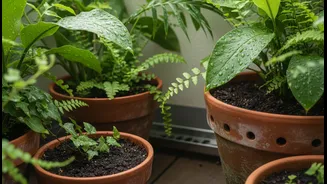
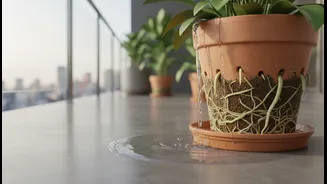
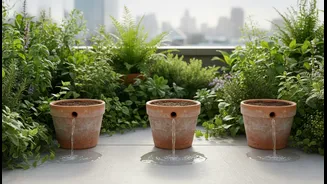
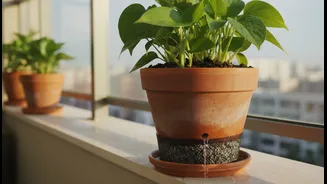
The foundation of good drainage is the pot itself. Ensure every container has multiple, clear drainage holes at the bottom. While a single hole is common, it can easily get blocked. Terracotta or clay pots are often better than plastic during wet seasons
because their porous nature allows soil to breathe and dry out more evenly. If you must use decorative pots without holes, use them as cachepots: place your plant in a smaller nursery pot with holes, and then set that inside the decorative one. Just be sure to empty any water that collects in the outer pot after a downpour.
Elevate Your Pots for Better Airflow
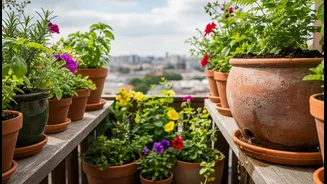
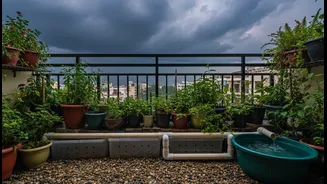
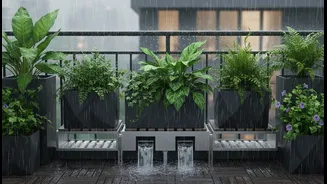
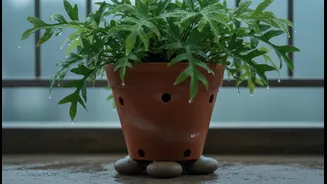
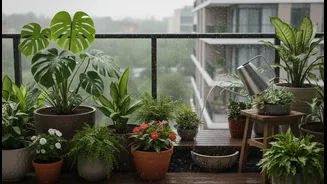
One of the most effective and simplest changes you can make is to lift your pots off the ground. When a container sits flat on the balcony floor, water can pool underneath, blocking the drainage holes and keeping the soil saturated. By placing pots on feet, bricks, or even simple wooden blocks, you create a crucial air gap. This space allows excess water to escape freely and promotes air circulation around the base, which helps the soil dry out faster and prevents root rot and fungus.
Craft a Well-Draining Potting Mix
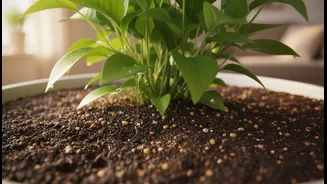
Standard garden soil is too dense and heavy for containers, leading to compaction and poor drainage. A good potting mix for a balcony should be light and fluffy. You can buy a pre-made mix or create your own. For a DIY blend ideal for rainy conditions, combine high-quality potting soil with materials that improve aeration and drainage. Additives like perlite, coarse sand, or coco coir work wonders. Perlite, a lightweight volcanic rock, creates air pockets, while coarse sand improves water flow. This ensures that even when it rains heavily, water can move through the soil instead of sitting around the roots.
Rethink the Gravel Layer Myth
For years, a common gardening tip was to add a layer of gravel or broken pottery at the bottom of pots to improve drainage. However, modern horticulture has shown this can actually be counterproductive. Instead of helping water flow out, this coarse layer can cause water to collect in the soil just above it, creating a soggy zone right where roots sit. A far better approach is to use a consistent, well-draining potting mix from top to bottom and ensure the drainage holes are clear. If you're worried about soil washing out, a small piece of mesh or screen over the holes is a better solution.
Perform Emergency First Aid
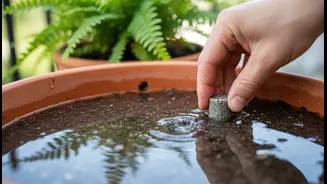
If a pot becomes waterlogged despite your best efforts, quick action can save your plant. First, move the pot to a sheltered area to protect it from further rain. If possible, gently tilt heavy containers to help excess water drain out. You can also gently poke deep holes into the soil with a chopstick or skewer, being careful to avoid the main roots. This aerates the soil, allowing oxygen to reach the roots and helping the trapped water evaporate. During the monsoon, it's also crucial to stop all manual watering unless the soil is visibly dry well below the surface.