



Getting There Is Now Easier Than Ever
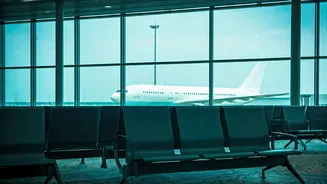
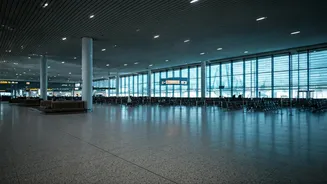
The main barrier to exploring Uzbekistan’s capital has significantly lowered for Indian travellers. Airlines have recognized the growing interest in Central Asia, leading to a welcome increase in direct flights. IndiGo now operates direct flights from
Delhi and, as of mid-2025, from Mumbai, making the journey to Tashkent just a few hours long. [5, 8, 9, 28] Additionally, Uzbekistan's national carrier, Uzbekistan Airways, and the private airline Centrum Air also offer regular direct services from major Indian cities like Delhi. [6, 7, 8, 28] This surge in options has not only improved convenience but also sparked competition, leading to more affordable fares for those looking to explore this city of contrasts. [8, 11]
The Underground Palaces of the Tashkent Metro
Forget everything you know about metro systems. In Tashkent, the subway is an attraction in itself, often called an 'underground palace'. [22] Each station is a unique work of art, built as a testament to Soviet grandeur and Uzbek culture after the city's devastating 1966 earthquake. [15, 20] For decades, photography was banned as the stations were considered nuclear bomb shelters, but now visitors are free to capture their stunning beauty. [15] Must-see stations include Kosmonavtlar, a cosmic tribute to Soviet space explorers with its deep blue ceramic walls and star-like lights, and Alisher Navoi, which features intricate panels and domes inspired by the work of the great Uzbek poet. [14, 15, 25]
Soviet Modernism: A Concrete Utopia
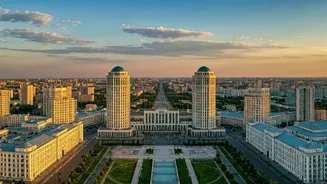
The 1966 earthquake flattened much of old Tashkent, leading to a massive rebuilding effort by architects from across the USSR. [31, 32] The result is a city that serves as an open-air museum of Soviet Modernism, a style that blends imposing brutalist forms with local oriental motifs. [32, 33] The most iconic example is the Hotel Uzbekistan, a curved landmark whose facade is a giant concrete lattice that provides shade. [22, 24] Other key structures include the former Lenin Museum (now the State Museum of History), a perfect concrete cube that appears to float, and the Palace of Peoples' Friendship, a monumental concert hall. [22, 33]
Silk Road Heritage and Modern Marvels
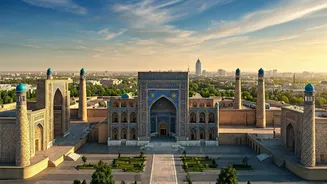
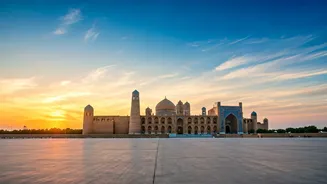
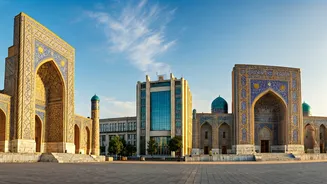
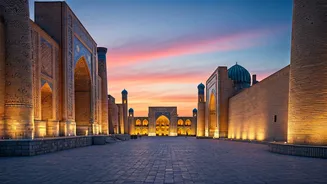
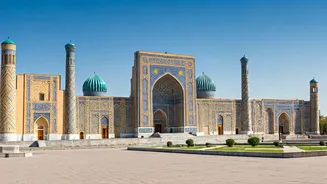
Beyond its Soviet layer, Tashkent's soul is rooted in its Silk Road past. The Khazrati Imam Complex is the spiritual heart of the city, home to beautiful turquoise domes, ancient mausoleums, and one of the oldest known copies of the Quran. For a taste of daily life, the Chorsu Bazaar is unmissable. [10] Its giant, blue-tiled central dome shelters a bustling market filled with the scent of spices, bread, and local foods. [10, 29] Contrasting with this history is a new wave of modern architecture, like the gleaming Minor Mosque, opened in 2014 and clad in brilliant white marble, and the grand Amir Timur Museum, dedicated to the Turco-Mongol conqueror. [10]
A City of Resilience and Artistry
The story of Tashkent's architecture is a story of resilience. The Courage Monument, a powerful Soviet-era sculpture, commemorates the 1966 earthquake and the spirit of the people who rebuilt the city. [10, 24] This event defined modern Tashkent, creating the unique architectural blend we see today. From the grand, art-filled metro stations designed as palaces for the people to the monumental public buildings and the quiet, traditional courtyards that survived, Tashkent offers a visual journey through layers of history. Each building tells a story of an empire's ambition, an ancient culture's endurance, and a modern nation's future.