




The Spirit and Science of Fasting Foods
Observing a vrat involves abstaining from certain food groups, most notably cereal grains like wheat and rice, lentils, and specific spices. The focus shifts to a 'phalhari' diet, which traditionally includes fruits, milk products, rock salt, and a specific set
of non-cereal grains. Makhana (fox nuts), kuttu (buckwheat), and rajgira (amaranth) are central to this diet. They are permitted because they are not true grains. Kuttu and rajgira are classified as pseudocereals, which are seeds from non-grass plants that are cooked and used like cereals. This distinction is key to their acceptance in vrat meals. Beyond tradition, these ingredients are nutritional champions that provide sustained energy, making them ideal for days of fasting.
Makhana: The Puffed Lotus Seed Powerhouse
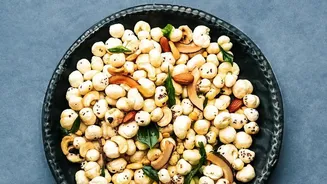
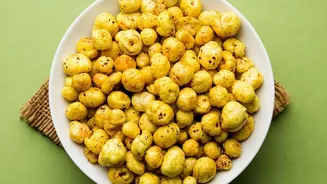
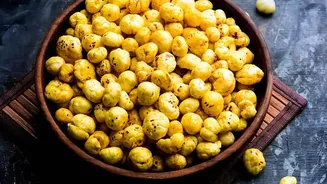
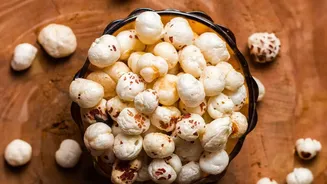
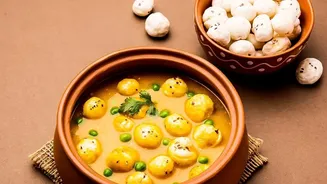
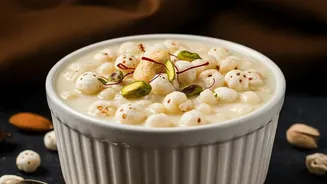
Makhana, also known as fox nuts or lotus seeds, are light, airy, and incredibly versatile. Harvested from the Euryale ferox plant, these seeds are a nutritional goldmine, packed with protein, fiber, and essential minerals like calcium, magnesium, and potassium. Their low glycemic index ensures a slow release of energy, preventing the lethargy that can sometimes accompany fasting. Being low in calories and sodium makes them a heart-healthy choice. During vrats, makhana is most often roasted with a little ghee and rock salt for a crunchy, satisfying snack. It also finds its way into rich, creamy kheer and savory vegetable curries, providing substance and a unique texture to meals.
Kuttu: The Misunderstood 'Grain'
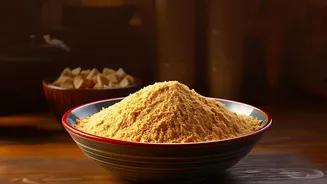
Kuttu, or buckwheat, is perhaps the most widely recognized fasting flour. Despite its name, it has no relation to wheat and is naturally gluten-free. Botanically, it is the seed of a flowering plant. Kuttu is prized for its warming properties and impressive nutritional profile. It is a source of high-quality protein containing all nine essential amino acids and is particularly rich in fiber, which aids digestion and promotes a feeling of fullness. It's also loaded with minerals like magnesium and powerful antioxidants like rutin, which supports cardiovascular health. The most popular use for kuttu ka atta (buckwheat flour) is for making pooris and cheelas (savory pancakes), which are often paired with a simple potato curry.
Rajgira: The Royal Seed of Endurance
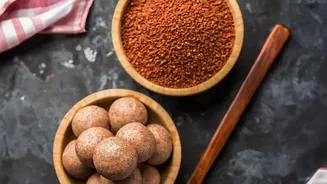
Rajgira, which translates to 'royal grain', is the Indian name for amaranth. Like kuttu, it is a gluten-free pseudocereal. Rajgira has been cultivated for centuries and was a staple for ancient civilizations like the Aztecs. It is an exceptional source of plant-based protein, even containing the amino acid lysine, which is often lacking in other grains. It's also rich in iron, calcium, and magnesium, contributing to bone health and overall vitality. The flour is used to make soft rotis, pooris, and kadhi, a yogurt-based curry. The popped seeds are often mixed with jaggery to create chikki or ladoos, providing a wholesome, energy-boosting sweet treat during fasts.