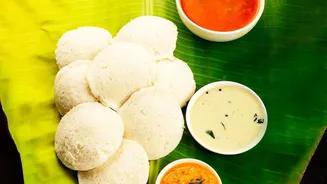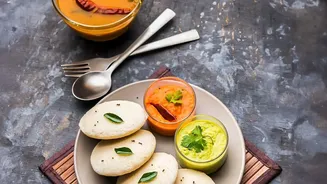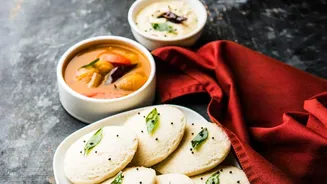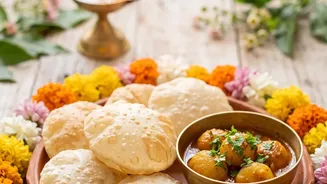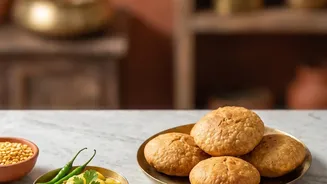



For generations, Indian households have started their day with breakfasts like poha, idli, and parathas. What was once passed down as tradition is now being validated by modern science, revealing the deep nutritional wisdom behind these meals.
The Blueprint of a Balanced Meal
Many traditional
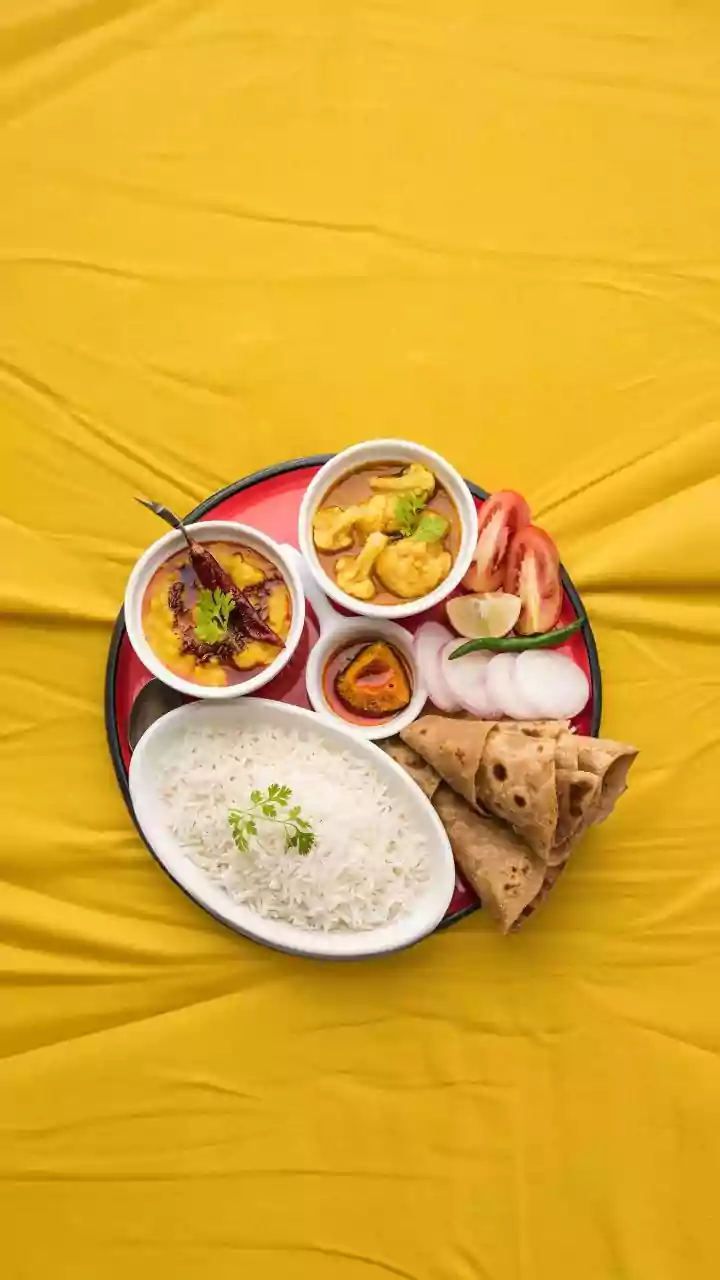
Indian breakfasts are naturally designed to provide a balanced mix of macronutrients: carbohydrates, proteins, and fats. Unlike many Western breakfast options that are either high in simple sugars or fats, meals like poha with peanuts or idli with sambar offer a synergistic blend that sets the tone for the day. They are built around complex carbohydrates from whole grains, which provide sustained energy release, preventing the dreaded mid-morning slump. This is paired with plant-based proteins from lentils, legumes, or dairy, and healthy fats from nuts, seeds, or ghee, creating a complete nutritional package that supports metabolism and keeps you feeling full for longer.
The Magic of Fermentation
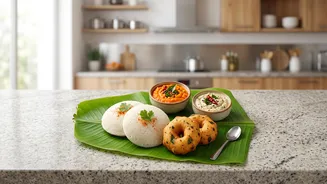
South Indian staples like idli and dosa are prime examples of culinary genius rooted in science. The fermentation process, where rice and dal batter is left to sit overnight, is key to their health benefits. This natural process populates the batter with beneficial bacteria, primarily Lactobacillus, turning these dishes into natural probiotics. These probiotics are essential for a healthy gut microbiome, which is linked to improved digestion, a stronger immune system, and even better mental health. Furthermore, fermentation breaks down complex compounds in the grains and lentils, making nutrients like B vitamins, iron, and protein more bioavailable, meaning your body can absorb them more easily. It also reduces anti-nutrients like phytic acid, which can inhibit mineral absorption.
Sustained Energy with a Low Glycemic Index
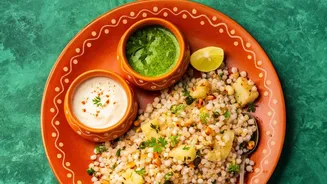
Many people struggle with energy crashes after a carb-heavy breakfast. However, traditional options like poha (flattened rice) and upma (savoury semolina) are often better choices for stable blood sugar. Poha, especially the red or brown rice varieties, has a lower glycemic index compared to refined grains. This means it releases sugar into the bloodstream more slowly, providing a steady supply of energy without the sharp spikes and subsequent crashes. The way these dishes are prepared also matters. Adding vegetables, peanuts, or peas not only adds fibre and protein but also further lowers the overall glycemic load of the meal, promoting satiety and aiding in weight management.
The Power of Spices and Sides
An Indian breakfast is incomplete without its accompanying spices and side dishes, which are nutritional powerhouses in their own right. The turmeric used in poha or sambar contains curcumin, a compound with potent anti-inflammatory and antioxidant properties. Science now shows that when turmeric is paired with black pepper—a common combination in Indian cooking—the absorption of curcumin can be enhanced significantly. The tempering (tadka) of mustard seeds, cumin, and curry leaves in hot oil isn't just for flavour; it unlocks the fat-soluble compounds in these spices, which aid digestion and boost immunity. Similarly, the customary bowl of dahi (curd) served alongside a paratha provides an extra dose of probiotics and protein, further balancing the meal.