

A Rebellion in Threads
At its heart, the turn to handloom is a conscious rebellion against the relentless cycle of fast fashion. For years, the industry has been driven by speed and volume, often at a high environmental and human cost. Young designers are now pushing back,
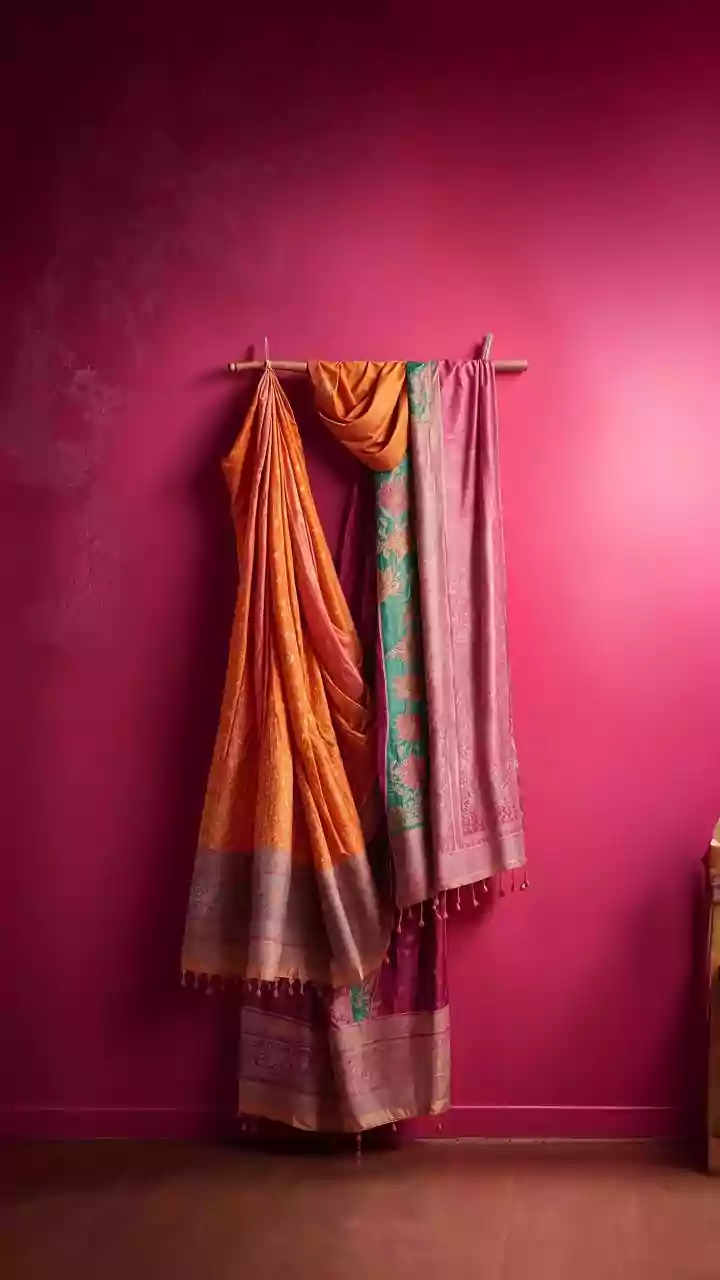
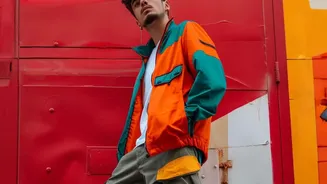
seeking materials with soul and a story. Streetwear, long the uniform of youth culture and self-expression, has become the perfect canvas for this statement. By choosing fabrics like Khadi, Ikat, or Jamdani, designers are infusing their creations with a sense of purpose. This is not just about aesthetics; it's a political act of choosing slow, mindful production over mass-market disposability. The result is clothing that feels both contemporary and timeless, rooted in a desire for authenticity.
The Sustainable Weave
The environmental argument for handloom is incredibly compelling. Unlike industrial power looms that consume vast amounts of electricity, handlooms are powered by human skill and effort, giving them a near-zero carbon footprint. The process often uses significantly less water and frequently employs natural dyes derived from plants and minerals, avoiding the chemical runoff that plagues mass textile manufacturing. In an era of increasing climate consciousness, these credentials matter deeply to both designers and their customers. Choosing handloom is a tangible way to participate in a more sustainable fashion ecosystem, one that values ecological responsibility and rejects the wasteful model of 'buy, wear, and throw away'.
Uniqueness in Every Fibre
In a world saturated with identical mass-produced goods, handloom offers something priceless: character. Because they are woven by hand, no two pieces of handloom fabric are exactly alike. Slight variations in the weave, tiny knots, and subtle differences in colour are not flaws; they are the signature of the artisan's touch. This inherent uniqueness gives streetwear a new dimension of luxury. The rugged texture of Khadi, the distinctive blurred patterns of Ikat, and the sheer elegance of Chanderi lend a depth and personality to modern silhouettes that a machine-made polyester or cotton simply cannot match. For designers creating bold streetwear, these fabrics provide an opportunity to craft garments that are truly one-of-a-kind.
A Wearable Cultural Identity
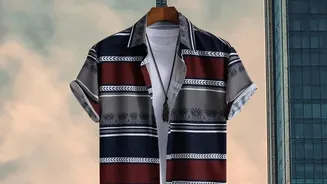
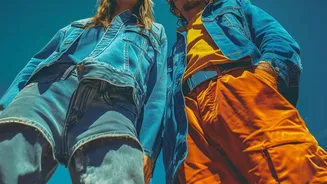
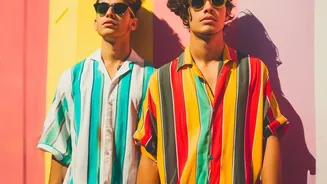
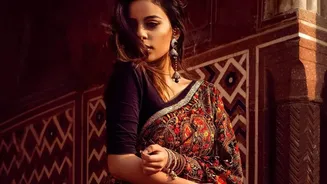
The fusion of handloom and streetwear is also a powerful expression of cultural identity. For a new generation of Indians, it's a way to connect with their heritage on their own terms. Instead of reserving handloom for traditional occasions, designers are making it relevant for everyday life, transforming it into oversized shirts, co-ord sets, and jackets. Labels like NorBlack NorWhite and Farak are at the forefront of this movement, working directly with weaving clusters to create collections that speak a global language while being deeply rooted in Indian craft. Wearing a handloom hoodie is more than a fashion choice; it’s a declaration of pride, a way of saying that tradition has a place in the future and on the streets.
Weaving a Fairer Economy
Choosing handloom is also a choice to support people. The handloom sector is one of India's largest employers after agriculture, providing livelihoods for millions of artisans in rural areas, a significant number of whom are women. However, these weavers often face immense challenges, including low wages and stiff competition from mechanised looms. By collaborating directly with these artisan communities, young designers are helping create a more equitable supply chain. They ensure that craft skills passed down through generations are not only preserved but valued. This creates a market for high-quality, ethically-produced textiles, offering a pathway to financial stability and recognition for the artisans who are the true custodians of this heritage.