




The Significance of the Janmashtami Fast
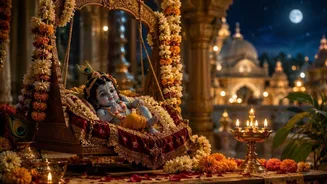
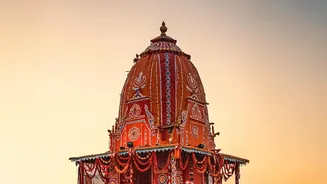
Janmashtami commemorates the birth of Lord Krishna, the eighth avatar of Vishnu, who was born at midnight on the Ashtami tithi of the Bhadrapada month. For devotees, observing a fast is an act of spiritual discipline, purification, and devotion. It is a way
to detach from worldly distractions and focus the mind on prayer, meditation, and Krishna's teachings. The fast typically begins at sunrise on Janmashtami and concludes either after the midnight puja or the following morning, a practice known as Parana.
Choose Your Fast: Nirjala or Phalahar
There are primarily two ways to observe the Janmashtami vrat, and the choice often depends on family tradition, age, and health. The strictest form is the Nirjala vrat, where devotees abstain from both food and water for the entire duration. This is a demanding fast and is generally advised only for those in excellent health. The more common and widely practised form is the Phalahar vrat. In this fast, devotees consume fruits, milk products, and a specific list of non-grain foods, while avoiding regular meals. Water and other permitted liquids are allowed, making it a safer option for most people.
Vrat-Approved: Foods You Can Eat
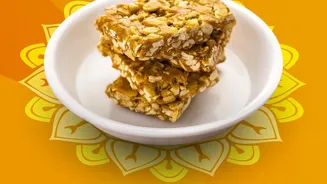
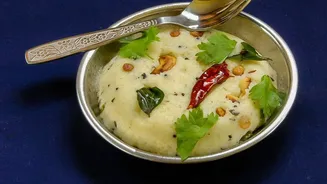
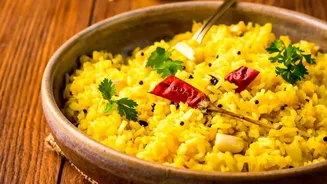
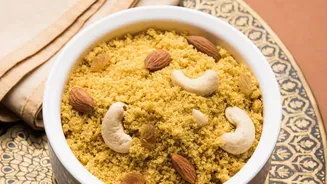
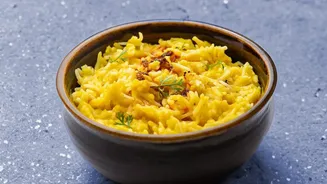
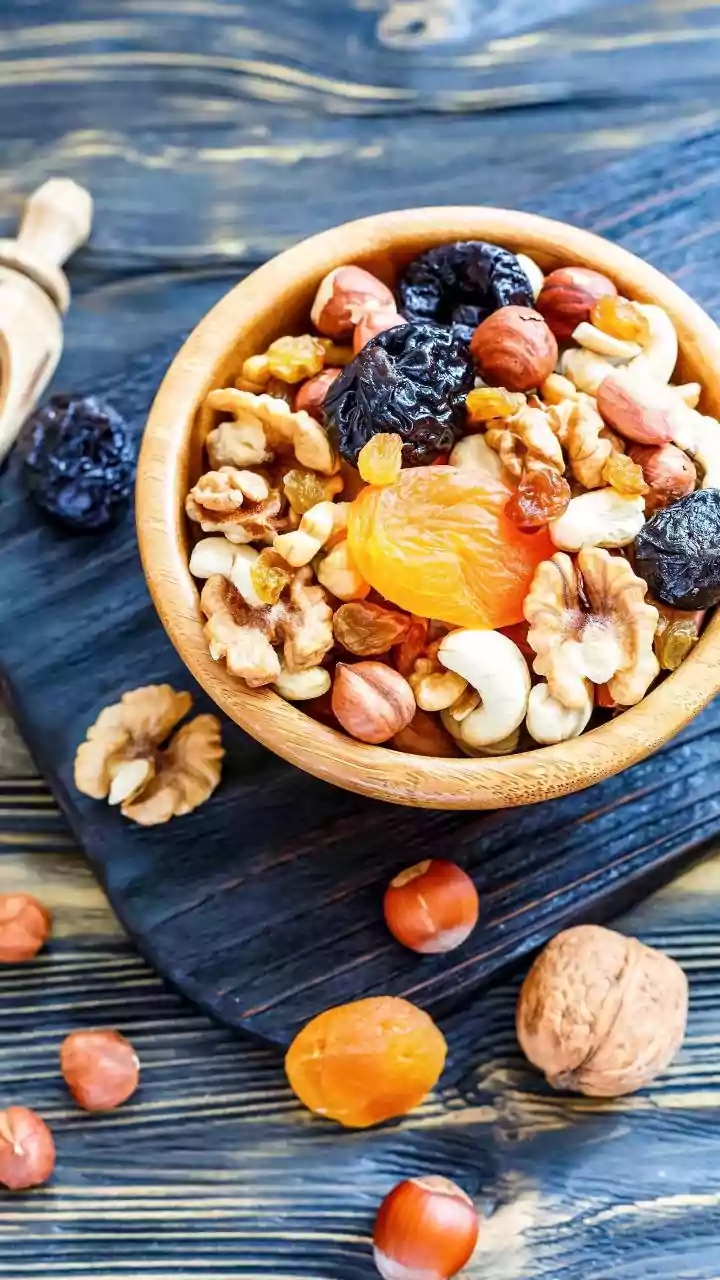
Following a Phalahar fast doesn't mean you have to go hungry. There is a wide array of permissible foods to keep you nourished. All fresh fruits, such as bananas, apples, pomegranates, and papayas, are allowed. Dairy products like milk, curd, paneer, and buttermilk are staples. For more substantial meals, you can use vrat-specific flours like kuttu ka atta (buckwheat flour), singhara ka atta (water chestnut flour), and rajgira ka atta (amaranth flour) to make puris or rotis. Other allowed ingredients include sabudana (tapioca pearls), sama ke chawal (barnyard millet), potatoes, sweet potatoes, roasted makhana (fox nuts), and all nuts and dry fruits. For seasoning, only sendha namak (rock salt) should be used instead of regular table salt.
Foods to Strictly Avoid During the Fast
The list of foods to avoid is just as important as the list of what to eat. The primary restriction is on all grains and cereals, including wheat, rice, oats, and millets. Pulses and lentils like dal and beans are also forbidden. According to sattvic dietary principles followed during fasting, onion and garlic are strictly avoided. It goes without saying that all non-vegetarian foods, including meat, fish, and eggs, are prohibited. Regular table salt, alcohol, and tobacco products should also be completely avoided to maintain the sanctity of the fast.
Stay Hydrated and Energised Safely
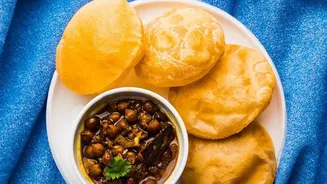
Safety and health should be a priority. Unless you are observing a strict Nirjala fast, hydration is key to avoiding fatigue, headaches, and dizziness. Drink plenty of water, coconut water, or fresh fruit juices (without added sugar) throughout the day. While vrat snacks are delicious, avoid overindulging in deep-fried foods like puris and pakoras, as they can make you feel sluggish. Instead, opt for lighter options like roasted makhana, fruit chaat, or a bowl of curd. Including protein-rich fasting foods like paneer, nuts, and peanuts can provide sustained energy and keep you feeling full longer.
Who Should Be Cautious About Fasting?
A fast is an act of devotion, not a test of endurance. Traditional guidance itself exempts certain individuals from strict fasting. Pregnant or breastfeeding women, elderly individuals, young children, and anyone with a chronic health condition such as diabetes or high blood pressure should be extremely cautious. It is essential for these individuals to consult with their doctor before deciding to fast. A modified fast, such as consuming fruits and milk without long gaps, might be a more suitable and safer way to observe the day. The core of the festival is devotion, which can be expressed through prayer and meditation without compromising your health.