





Defining What’s ‘Ultra-Processed’
Not all processing is bad. Chopping vegetables, roasting nuts, or pasteurising milk are all forms of processing. The concern around ultra-processed foods (UPFs) centres on the degree and purpose of industrial manufacturing. The most widely used system
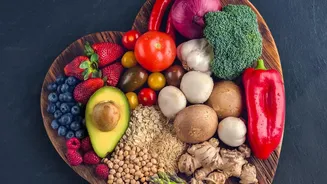
to define them is the NOVA classification, developed by researchers at the University of São Paulo. It divides food into four groups: 1. Unprocessed or minimally processed foods: Think fresh fruits, vegetables, eggs, meat, and whole grains. 2. Processed culinary ingredients: These are items used in cooking, like oils, butter, sugar, and salt. 3. Processed foods: These are simple combinations of the first two groups, such as canned vegetables, freshly baked bread, and cheese. They are still recognisable versions of their original state. 4. Ultra-processed foods: This is the category causing concern. These are not just modified foods; they are industrial formulations made from substances extracted from foods or synthesized in labs. They often have long ingredient lists, including additives to enhance flavour, texture, and shelf life, and contain little to no whole food.
What the Latest Research Reveals
The scientific consensus on the risks of UPFs has grown significantly. A major umbrella review published in The BMJ in early 2024, which analysed data from nearly 10 million people, found consistent evidence linking higher consumption of UPFs to 32 adverse health outcomes. The evidence was most convincing for an increased risk of cardiovascular disease-related death (around a 50% increase), type 2 diabetes (a 12% increase), and anxiety and common mental disorders (a 48-53% increase). Highly suggestive evidence also pointed to a greater risk of all-cause mortality, obesity, sleep problems, and depression. Researchers stress that the harm may not come just from high levels of sugar, salt, and fat. The industrial processing itself is a major factor. This includes the breakdown of the natural food structure (the 'food matrix'), which can affect how our bodies absorb nutrients and feel full, and the combination of numerous industrial additives like emulsifiers, thickeners, and artificial sweeteners.
It’s More Than Just ‘Junk Food’
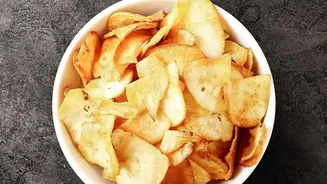
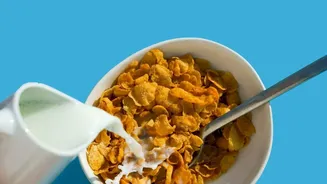
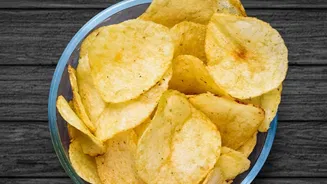
A common mistake is to think UPFs are only fizzy drinks, chips, and sweets. While those are classic examples, the category is much broader and includes many products that might be marketed as healthy. Packaged breads, breakfast cereals, flavoured yogurts, protein bars, ready-to-eat meals, and plant-based meat substitutes can all fall into the ultra-processed category. For example, plain oats are a minimally processed food. Oats with added sugar are considered processed. But instant oatmeal with added flavours, colours, and stabilisers becomes ultra-processed. Similarly, bread made from just flour, water, salt, and yeast is a processed food, but one that contains emulsifiers or colouring is classified as ultra-processed. The key distinction is the presence of industrial ingredients you wouldn't use in a home kitchen.
How to Spot an Ultra-Processed Food
The simplest way to identify a UPF is by reading the ingredient list. Look for a few tell-tale signs. First, a very long list of ingredients is a red flag. Second, look for ingredients that you don't recognise or wouldn't keep in your own kitchen. These are often substances designed to make the product hyper-palatable or give it an extremely long shelf life. Specific ingredients to watch for include high-fructose corn syrup, hydrogenated or interesterified oils, protein isolates (like soy or whey), and modified starches. Also, look for cosmetic additives such as flavours, flavour enhancers, colours, emulsifiers, thickeners, and artificial sweeteners. If you see several of these types of ingredients, the product is likely ultra-processed.