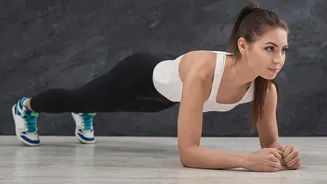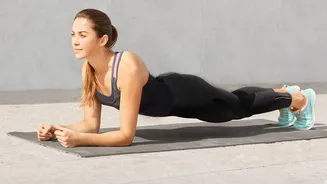






What Exactly Is a Core Movement?
Think of your body’s strength as a house. You wouldn’t put up walls without first pouring a solid foundation. In fitness, core movements—often called compound exercises—are that foundation. These are fundamental human movement patterns that engage multiple
joints and muscle groups at once. The 'big five' that form the bedrock of most strength programs are the squat, deadlift, bench press, overhead press, and some form of row. These exercises teach your muscles to work together, building functional strength that translates directly into real-life activities, whether it's lifting a heavy suitcase, playing with your kids, or just getting up from a chair more easily.
The High Cost of Poor Technique
Jumping into advanced exercises or adding heavy weight before you’ve mastered the basics is a recipe for disaster. The primary risk is, of course, injury. Most non-contact injuries in the gym stem from breakdowns in movement mechanics or muscular imbalances, both of which are exacerbated by poor form. A squat done incorrectly puts undue stress on your knees and lower back; a deadlift with a rounded spine is notorious for causing back problems. Beyond the immediate danger, bad habits limit your potential. Your body compensates for weak links, meaning the target muscles don't get the full benefit, and progress eventually hits a wall. You end up strengthening dysfunctional patterns, making it even harder to learn the correct form later on.
The Allure of the 'Easier' Alternative
So why do people skip the learning process? Often, it’s a mix of impatience and ego. Learning a compound lift properly is hard and takes time. It can be frustrating to use light weights or just an empty barbell when others around you are lifting heavy. It's tempting to switch to a machine-based or isolation exercise that feels simpler and allows you to move more weight, giving a false sense of accomplishment. While isolation exercises have their place for addressing specific muscle groups, they don't build the same synergistic strength and core stability as compound movements. Replacing a foundational squat with a leg press machine, for example, removes the crucial need to stabilise your core and balance the weight, short-changing your long-term functional strength.
A Blueprint for Mastering Technique
Learning a core movement is a skill. The first step is to leave your ego at the door and start with little to no weight. Focus on the movement pattern itself. A great way to do this is to film yourself from the side and front to check your form against tutorials from qualified professionals. Better yet, invest in a few sessions with a certified trainer who can provide real-time feedback. When you do start adding weight, follow the 5-10% rule, increasing the load by no more than 10% at a time to allow your muscles and connective tissues to adapt. Be patient. Building muscle memory for a complex movement takes consistent, mindful practice. It's better to perform five perfect reps than 15 sloppy ones.
When Is It Okay to Modify or Substitute?
This isn't to say that modifications are always bad. The key is intent. A modification is appropriate if it's a strategic choice to accommodate a specific need. For example, if you have limited ankle mobility that prevents you from squatting to depth, elevating your heels on small plates is a smart modification that allows you to perform the movement correctly while you work on your mobility. If you're recovering from an injury, a physical therapist might recommend an alternative exercise. The difference is that these are purposeful regressions or alterations made with a clear goal in mind. They are a tool for eventually performing the core movement correctly, not an excuse to avoid learning it.