


Think Up, Not Out
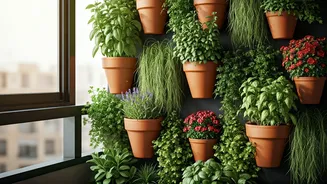
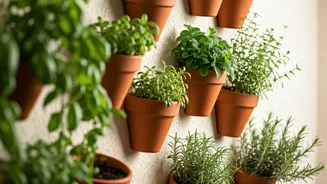
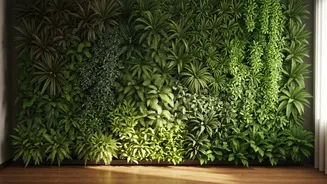
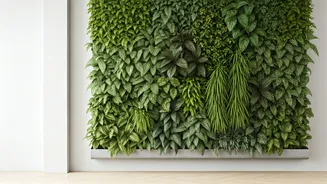
The first rule of small-space gardening is to defy gravity. When you can’t expand horizontally, your only option is to go vertical, and that’s where the magic happens. This is the core principle of creating a dense, jungle-like feel. Invest in a sturdy
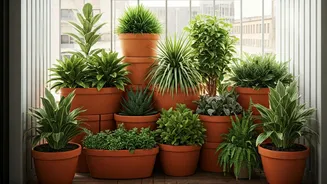
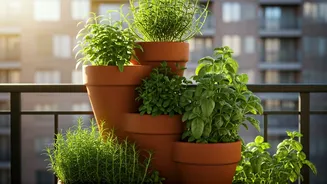
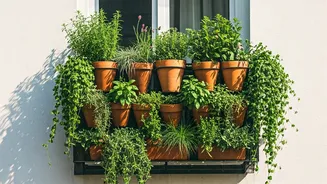
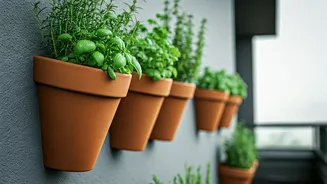
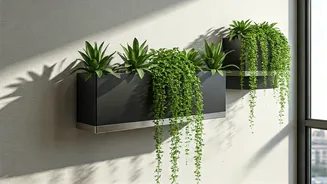
trellis that can be leaned against or affixed to a wall; this will be the backbone for climbing plants like jasmine, clematis, or even compact varieties of cucumbers. Railing planters are non-negotiable for freeing up floor space. Look for models that saddle the railing or hang securely on one side. Finally, tiered plant stands create multiple levels of greenery in a single footprint, allowing you to stack smaller pots without them getting lost.
Build a Strong Foundation
Before you buy a single plant, do a quick safety and logistics check. First, understand your balcony’s weight capacity. Most modern balconies can handle significant weight, but soil, water, and large ceramic pots add up quickly. If you’re concerned, opt for lightweight fiberglass or resin planters over heavy terracotta or concrete. Second, solve for drainage. You need to ensure excess water can escape without dripping onto your downstairs neighbor’s patio. Use saucers under every pot, or consider planters with built-in reservoirs. This isn't just about being a good neighbor; proper drainage is essential for preventing root rot and keeping your plants healthy.
Cast Your Key Players
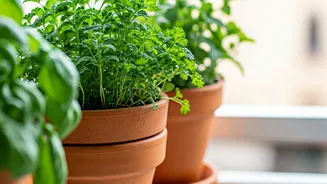
A lush container garden follows a simple design formula: “thriller, filler, and spiller.” Your “thriller” is a tall, eye-catching centerpiece, like a dwarf evergreen or a spiky cordyline. “Fillers” are mounding plants that surround the thriller, such as coleus, petunias, or herbs like basil and parsley. “Spillers” are trailing plants that cascade over the edge of the pot, like sweet potato vine, creeping Jenny, or ivy. For your vertical elements, choose climbers that match your sun exposure. For sunny balconies, bougainvillea or passionflower are stunning. For shadier spots, English ivy or a climbing hydrangea will thrive. Mixing textures and leaf shapes is key to achieving that dense, layered jungle aesthetic.
Create Layers of Green
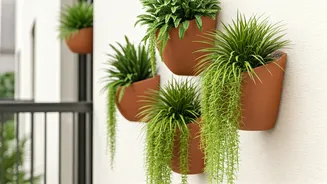
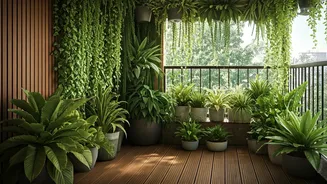
A true jungle isn't flat. To replicate this, you need to create layers of life at different heights. Start with your largest pots on the floor, preferably in the corners to anchor the space. Use tiered stands and stacked crates to create a mid-layer of varying heights. Your trellises and wall-mounted planters will form the green “walls” of your jungle. The final, and perhaps most important, layer is the canopy. Use ceiling hooks (if permitted and safe) to hang baskets of ferns, fuchsias, or trailing verbena. This draws the eye upward and encloses the space in green, making your balcony feel like a secluded room.
Feed and Water Smartly
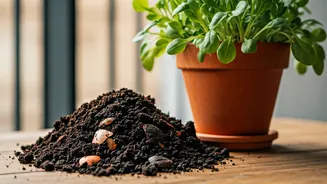
Container plants are completely dependent on you for nutrients and water, and they dry out much faster than plants in the ground. Use a high-quality potting mix specifically designed for containers, as it will be lighter and better at retaining moisture than garden soil. During the growing season, your plants will benefit from a regular feeding schedule. A balanced liquid fertilizer applied every 2-4 weeks is usually sufficient. To make watering easier, consider a self-watering planter for thirsty plants or even a simple drip irrigation kit that can be connected to a hose spigot or run from a reservoir. Consistency is key; check the soil moisture daily, especially during hot, windy weather.