



The Digital Bridge to Better Health
Government initiatives like the Digital India programme and the ambitious BharatNet project are transforming the nation's digital landscape. BharatNet aims to provide high-speed broadband connectivity to all Gram Panchayats, effectively bridging the urban-rural
divide. This expanding internet access is not just for entertainment or e-governance; it's a direct pipeline to crucial health services. Programmes like the Ayushman Bharat Digital Mission (ABDM) are creating a national digital health ecosystem, giving every citizen the ability to manage their health records digitally with an Ayushman Bharat Health Account (ABHA). This infrastructure paves the way for telemedicine and, most importantly, provides widespread access to health and nutrition information that was previously out of reach for many.
Finding Trusted Nutrition Hubs Online
With a world of information at your fingertips, the biggest challenge is separating fact from fiction. For reliable, science-backed advice on Indian diets, government and research institute websites are the gold standard. The Indian Council of Medical Research (ICMR) and the National Institute of Nutrition (NIN) are premier resources. They periodically release the official 'Dietary Guidelines for Indians', offering comprehensive advice on balanced diets, nutrient requirements, and preventing non-communicable diseases. These guidelines are the foundation of public health nutrition in India. The NIN website itself is a repository of information, with publications on the nutritive value of Indian foods, healthy recipes, and specific dietary needs. Another key resource is the Food Safety and Standards Authority of India (FSSAI) 'Eat Right India' movement, which provides practical tips, resources, and guidance on making healthier food choices.
Translating Advice for Your Thali
The latest ICMR-NIN guidelines (2024) provide a clear roadmap for a healthy Indian plate. They stress that a balanced diet should source calories from a mix of foods: no more than 45% from cereals and millets, and up to 15% from pulses, beans, and meat. The rest should come from nuts, vegetables, fruits, and milk. This is a shift from many traditional diets that rely heavily on cereals. Key recommendations include eating a wide variety of foods, consuming plenty of vegetables and legumes, using oils and fats in moderation, and restricting salt and sugar intake. The guidelines also advise against protein supplements, encouraging people to obtain protein from natural sources. Applying this is practical: it means consciously adding more seasonal vegetables to your meals, choosing whole grains like ragi over refined flour, and measuring the oil you use for cooking instead of pouring freely.
Beyond Browsing: Apps and Communities
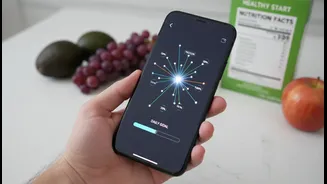
Your smartphone can be a powerful partner in your health journey. A host of nutrition-tracking apps are now specifically designed for Indian diets. Apps like HealthifyMe, Fittr, and NutriScan have extensive databases of Indian foods, from regional specialities like dhokla to home-cooked meals like dal-chawal, making calorie and nutrient tracking more accurate. Many of these apps also offer features like AI-powered photo logging, where you can simply take a picture of your meal to get an analysis. Beyond tracking, these digital tools foster a sense of community. Platforms and forums, some integrated into the apps themselves, allow users to connect with others on a similar journey, share experiences, and find support from peers and even registered dietitians. This communal aspect can be a powerful motivator for sticking to your health goals.