






1. Look Beyond the Obvious Leaks
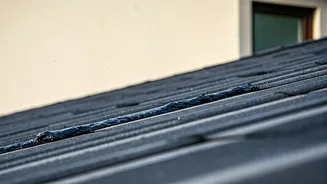
Everyone says, 'Check the roof,' but the real culprits are often smaller and sneakier. Before the first downpour, get on your terrace or roof and look for more than just obvious cracks. Pay close attention to the joints where pipes or antennas meet the surface,
as these are common water entry points. Check the 'parapet' walls (the low protective walls around the edge of the roof) for any cracks. A simple, cost-effective solution for minor cracks is applying a coat of waterproof sealant, which you can find at any hardware store. Also, clear away all debris—leaves, plastic bags, and dust—that can block water flow and cause it to pool, creating pressure that finds its way into your home.
2. Unclog Your Drains and Gutters
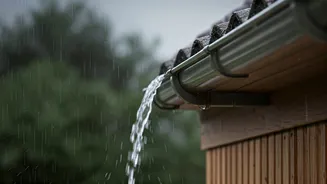
This is the single most important and most-skipped task. A clogged drain on your terrace or in your balcony is a guaranteed recipe for disaster. When water has nowhere to go, it will find a way into your house, often seeping through walls and causing extensive damage. Take an hour to manually clear all drains of mud, leaves, and other obstructions. Pour a bucket of water down each one to ensure the flow is smooth and unobstructed. If you have external rainwater gutters along your roofline, ensure they are cleared and properly angled to guide water away from your home's foundation.
3. Audit Your Walls and Windows
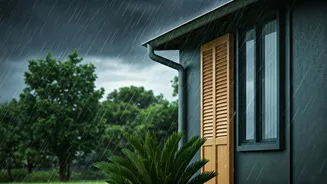
Water doesn’t just come from above; it seeps in from the sides. Take a walk around the exterior of your house and look for any vertical or horizontal cracks in the plaster. Small 'hairline' cracks can be filled with a crack-filler paste. For larger ones, you may need minor plasterwork. Pay special attention to the seals around your window frames. Over time, rubber gaskets can perish and silicon seals can peel away, creating a direct path for rainwater. Wooden windows and doors are notorious for swelling in the monsoon humidity, making them difficult to shut. Sand down any tight spots and apply a fresh coat of waterproof paint or varnish to seal them before the moisture gets in.
4. Prioritise Electrical Safety
Dampness and electricity are a deadly combination. This is not the area to take shortcuts. Have an electrician check any exterior wiring, including connections for your doorbell, outdoor lights, or air conditioning units. Ensure all exposed wiring is properly insulated. Inside, identify any power outlets located on walls that are prone to dampness and avoid using them during heavy rains. It's also wise to invest in a few surge protectors for your expensive electronics like TVs, computers, and refrigerators. A simple power surge during a thunderstorm can cause irreversible damage.
5. Prepare Your 'Dampness Defence'
The battle against dampness is fought indoors. Wardrobes are the primary victims. The lack of air circulation creates a perfect environment for mould and mildew, which can ruin clothes and leather goods. Place silica gel pouches or camphor balls inside your cupboards to absorb excess moisture. On dry, sunny days, make it a point to open up all your cupboards and windows for a few hours to let everything air out. Keep furniture, especially wooden pieces, a few inches away from walls that tend to get damp. This small gap allows for air circulation and prevents direct moisture transfer.
6. Assemble a Monsoon Emergency Kit
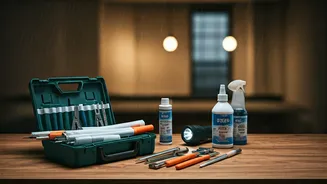
Power cuts are a fact of life during the Indian monsoon. Don't be caught in the dark. Prepare a simple emergency kit that includes a powerful torch with extra batteries, a power bank for your mobile phone, a stock of candles and a lighter, and a basic first-aid kit. If you live in an area prone to waterlogging, it's also a good idea to have some non-perishable snacks and a few litres of drinking water stored, just in case you can't get out for a day or two.