
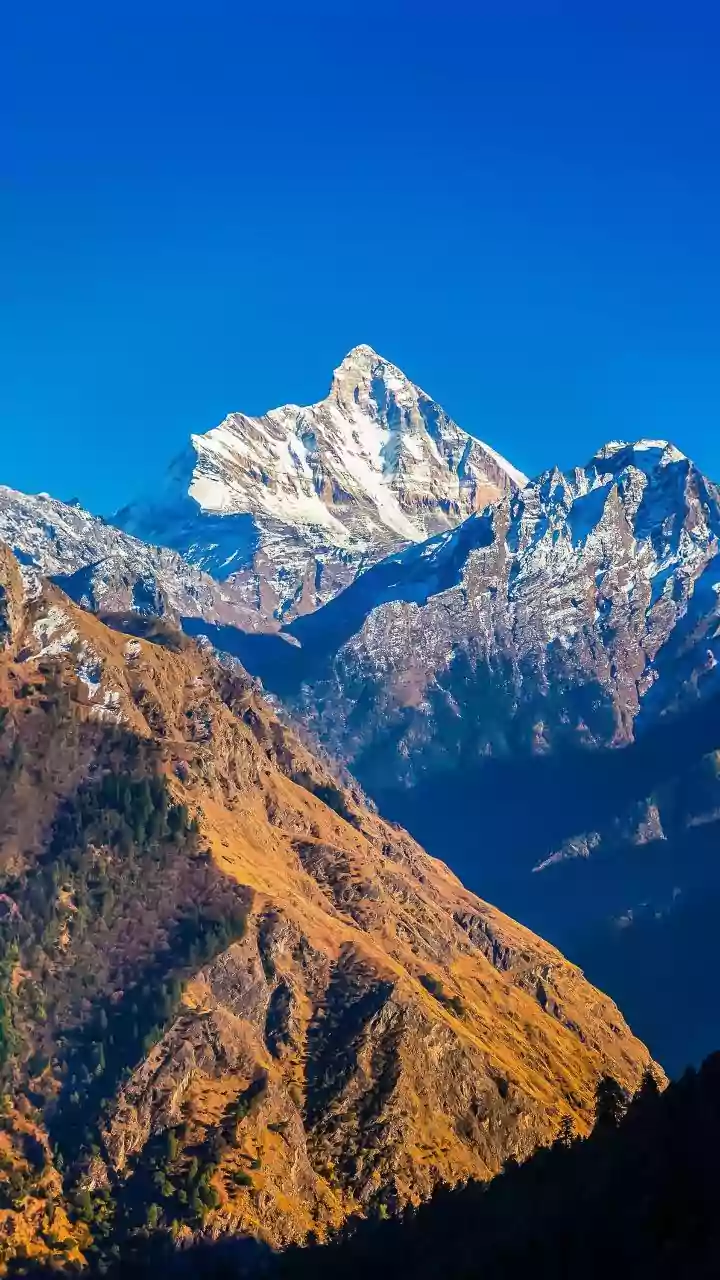


The New Work-From-Mountains Era
The remote work revolution has fundamentally changed how we view our professional lives. No longer tied to a physical office, a growing number of Indians are seeking environments that offer a better work-life balance. Hill stations have become the new
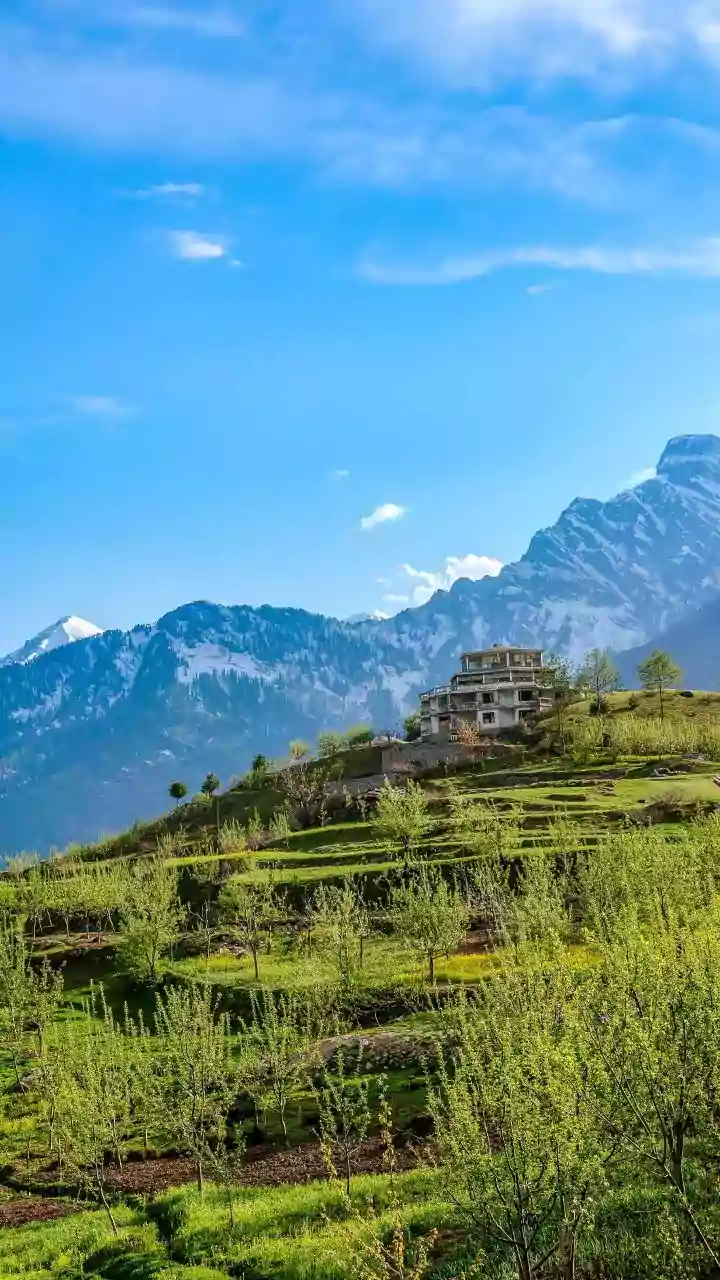
boardrooms, but the search has shifted. While hubs like Manali and Shimla remain popular, they are often crowded. This has paved the way for quieter, more immersive destinations to rise. Professionals are now choosing serene, offbeat villages over bustling tourist towns, looking for focus and rejuvenation without sacrificing productivity. This trend isn't just about a change of scenery; it's about finding a sustainable way to integrate work with well-being, surrounded by fresh mountain air and inspiring landscapes.
Naggar: The Artistic & Historic Hub
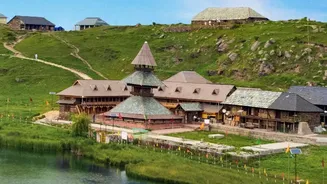
Nestled in the Kullu Valley, Naggar offers a unique blend of history, art, and tranquility, making it an ideal workation spot. Once the capital of the Kullu kingdom, its past is preserved in the majestic Naggar Castle and the famous Roerich Art Gallery. Unlike the commercial buzz of nearby Manali, Naggar has a calmer, more creative vibe that attracts writers, artists, and digital nomads. The real game-changer has been the improvement in infrastructure. Local homestays and cafes now widely offer stable Wi-Fi, with some reporting fibre connections and reliable 4G/5G coverage from providers like Jio and Airtel. This allows you to finish your workday and spend the evening exploring ancient temples or enjoying the quiet ambience of a village that feels worlds away from city life.
Jibhi: The Offbeat Nature Retreat
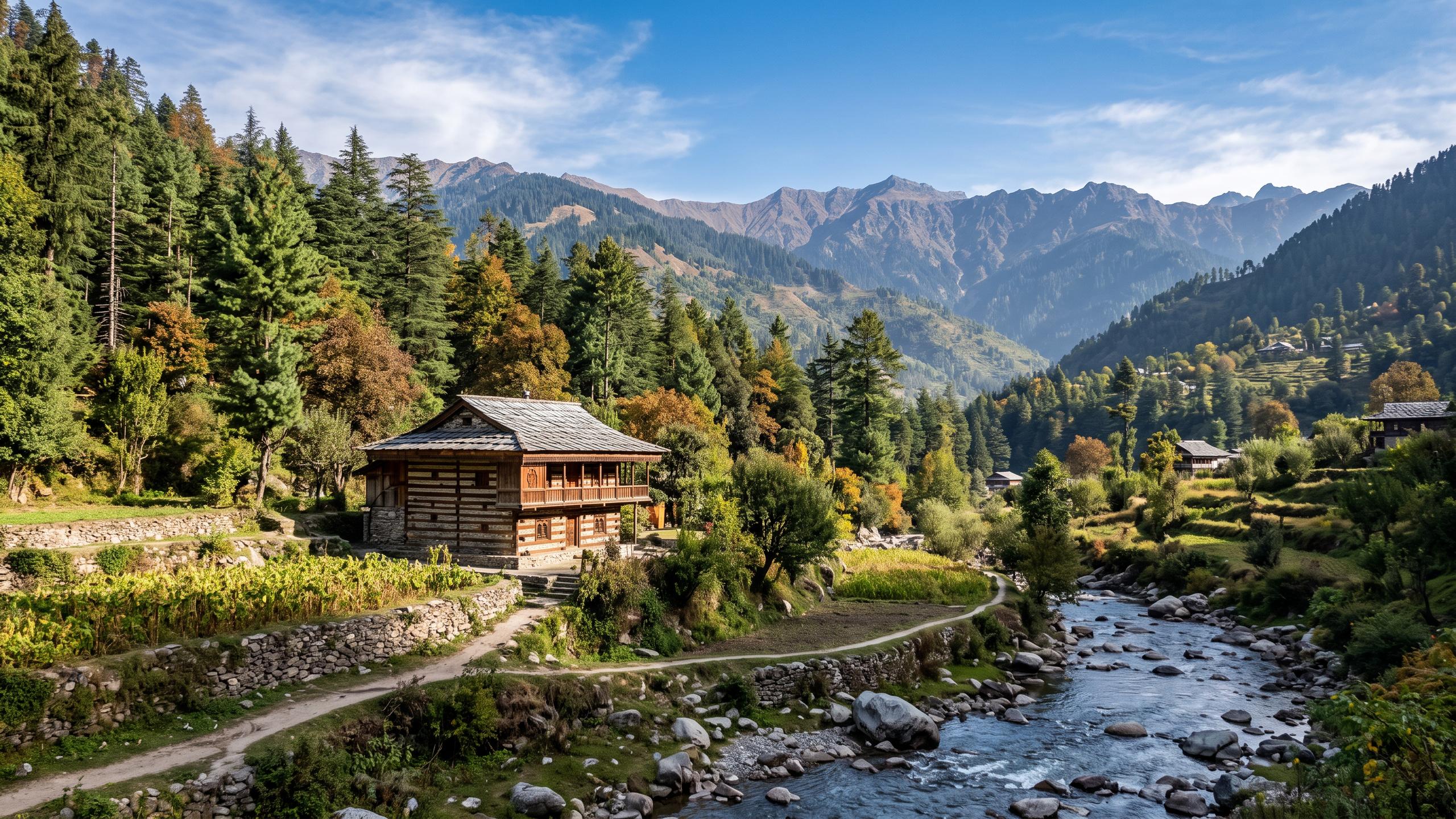
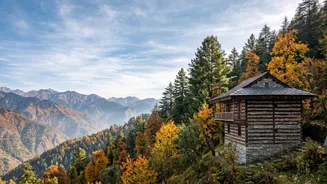
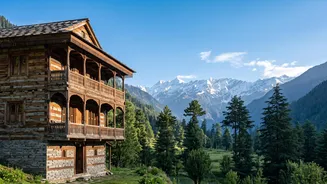
For those seeking true solitude and a deep connection with nature, Jibhi in the Tirthan Valley is the answer. This once-hidden gem has gained popularity among remote workers for its raw, unspoiled beauty and peaceful atmosphere. Surrounded by pine forests and the sound of the gushing Tirthan River, Jibhi is perfect for deep-focus work and creative thinking. What makes it a viable workation hub today is that homestay owners have invested in connectivity. Many now provide dedicated fibre internet with speeds of 30-100 Mbps and have power backup systems to handle the unpredictable mountain weather. It’s a destination where you can take a video call in the morning and hike to a hidden waterfall in the afternoon, offering a work-life balance that few places can match.
The All-Important Internet Question
The biggest concern for any mountain workation is connectivity. For years, this was the main barrier. However, the situation in both Naggar and Jibhi has improved dramatically. Homestays and cafes have upgraded from unreliable mobile hotspots to dedicated fibre optic connections from providers like JioFiber and BSNL. In Jibhi, for instance, it's now possible to find stays offering consistent speeds between 50 and 100 Mbps, which is more than enough for video conferencing, cloud collaboration, and large file transfers. Mobile connectivity has also strengthened, with both Airtel and Jio offering reliable 4G and even 5G services in many parts of these valleys. However, it's always wise to confirm the specific type of internet connection (fibre vs. hotspot) and ask about power backup before booking a long-term stay.
Planning Your Himalayan Work Desk
A successful workation requires some planning. The best times to visit are typically from March to June and September to November, avoiding the heavy monsoon rains and extreme winter cold. When booking your stay, be direct with hosts: ask about Wi-Fi speeds, power backup systems like inverters, and whether they offer long-stay discounts. Many properties in Jibhi and Naggar are now tailored for remote workers, offering weekly and monthly rates that are far more economical than city living. Pack for variable weather, bring a reliable power bank, and consider carrying two different mobile SIM cards (Airtel and Jio are recommended) for redundancy. By preparing correctly, you can ensure your mountain office is as productive as it is peaceful.