


Why One Size Never Fits All
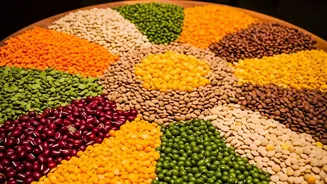
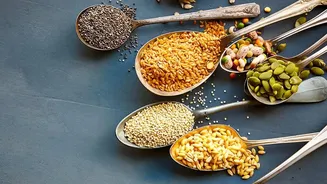
Treating all dals the same is a common culinary mistake. From the quickest-cooking masoor to the hardy chana, pulses vary significantly in their composition. Factors like the thickness of their seed coat, their size, and their starch content all dictate
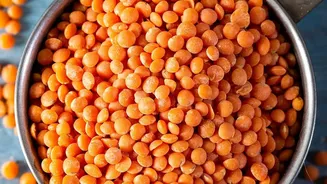
how long they need to cook. A thin, split red lentil (masoor dal) will break down into a creamy soup in minutes, while a dense, whole gram like urad or a split chickpea (chana dal) needs more time to become tender. Even the age of the dal plays a crucial role; older, drier pulses that have been in your pantry for a while will require longer cooking times than fresh ones. This is why a single pressure cooker whistle count or a standard simmering time simply won’t work across the board.
The Importance of Soaking
Soaking pulses before cooking is a traditional step that modern science validates. Soaking does more than just speed up cooking time. It helps break down complex compounds that can cause bloating and digestive discomfort. This pre-cooking step allows water to penetrate the pulse, softening it and making nutrients like iron and calcium more readily available for your body to absorb. While some quick-cooking split dals like moong and masoor can be cooked without a long soak, tougher varieties benefit immensely. Soaking rehydrates the pulses, ensuring they cook more evenly and achieve that desirable creamy texture.
A Practical Guide to Soaking and Cooking Times
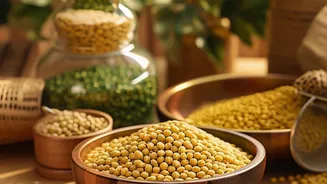
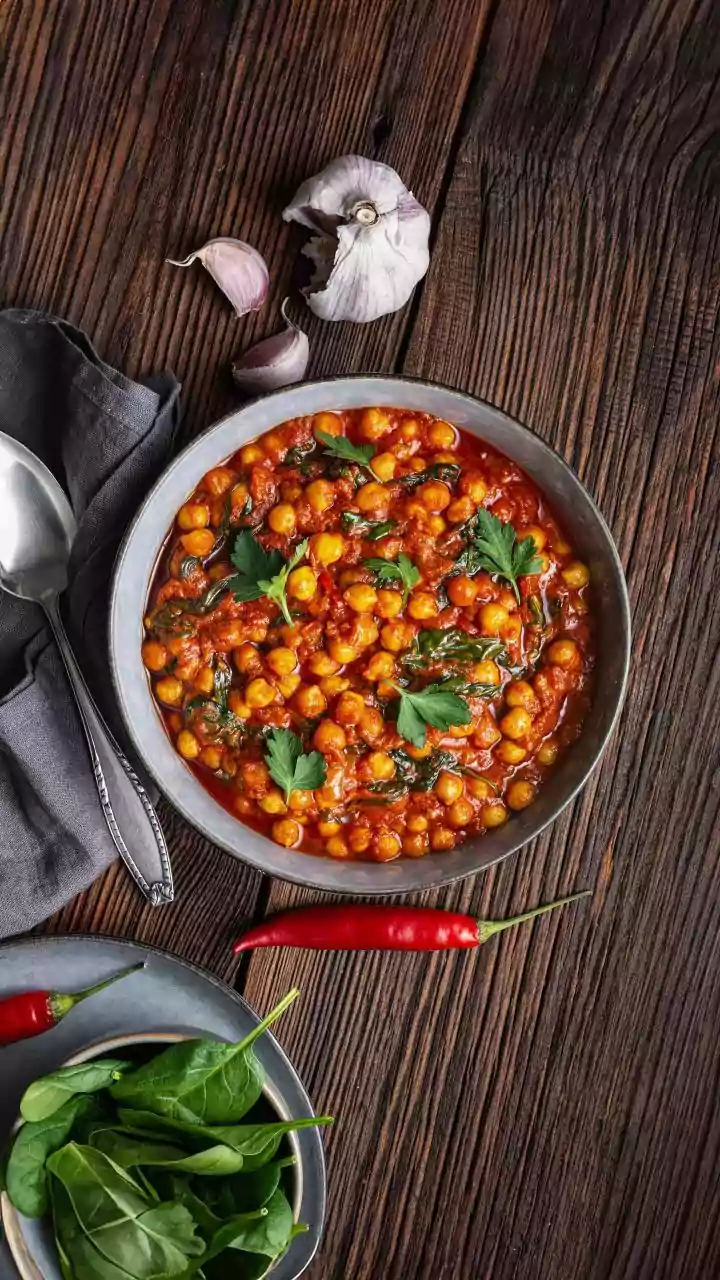
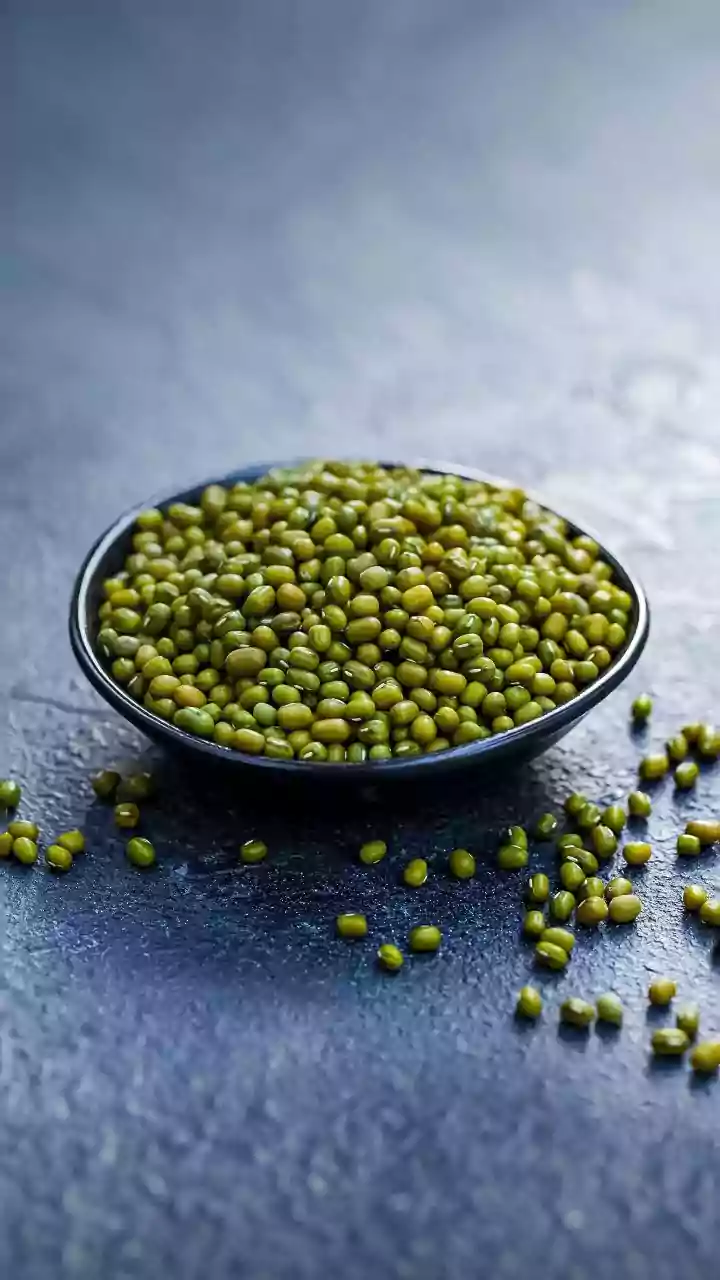
To take the guesswork out of your dal preparation, here is a simple guide for common pulses. Note that these pressure cooker timings are approximate and can vary based on the age of your dal and your specific appliance. Masoor Dal (Red Lentil): This quick-cooking dal rarely needs soaking. If you do soak it, 30 minutes is sufficient. It cooks in a pressure cooker in about 6-7 minutes (around 2 whistles). Moong Dal (Split Yellow Lentil): Similar to masoor, moong dal is easy to digest and cooks fast. Soaking for 30-60 minutes is recommended. In a pressure cooker, it needs about 8-10 minutes (2-3 whistles). Toor Dal (Arhar Dal/Split Pigeon Pea): The backbone of many dal recipes, toor dal benefits from soaking for at least an hour. It generally requires 12-15 minutes in a pressure cooker (3-4 whistles) after soaking. Urad Dal (Split/Whole Black Gram): Split urad dal should be soaked for 3-4 hours, while whole urad (used for Dal Makhani) needs an overnight soak. Cooking time for the whole variety can be 25-30 minutes in a pressure cooker. Chana Dal (Split Bengal Gram): This is one of the toughest dals and must be soaked for at least 4 hours, or preferably overnight. It needs a longer cooking time, around 25-30 minutes, in a pressure cooker to become fully tender. Rajma & Chole (Kidney Beans & Chickpeas): These larger legumes are not dals but follow the same principles. They require a mandatory overnight soak of 8-12 hours. Cooking times are significantly longer, often needing 30 minutes or more in a pressure cooker.
Beyond the Timer: Signs of Perfection
While timings are a great starting point, the true test of a well-cooked dal is its texture and taste. A perfectly cooked pulse should be tender enough to be easily crushed between your fingers or with the back of a spoon, but not so broken down that it becomes a flavourless paste (unless that's the desired consistency). There should be no raw, starchy taste. For dals like toor and chana, you want them to be soft and creamy while still retaining some shape. For quicker dals like moong or masoor, you are often looking for a smoother, more integrated consistency. Trust your senses; if the dal still tastes a little raw or feels gritty, it simply needs more time.