



The Smart Season to Travel
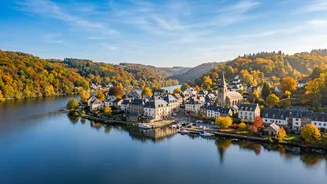
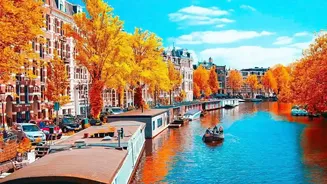
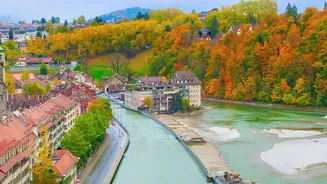
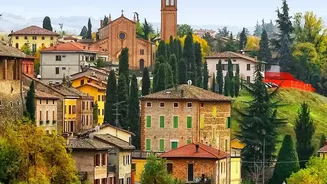
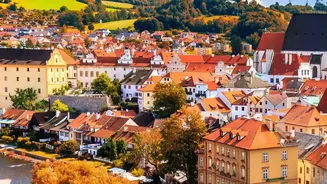
For years, the Indian travel calendar for Europe was predictable: May and June. But savvy travellers are discovering the continent's 'shoulder season' in autumn. September and October offer a sweet spot of pleasant weather, fewer tourists, and lower prices
for flights and hotels. The scorching summer heat gives way to crisp, comfortable air, making it ideal for sightseeing without the exhaustion. Cities that are overwhelmingly crowded in July and August become more manageable, allowing for a more relaxed and immersive experience. This shift away from the peak season rush is a practical decision that significantly enhances the quality of the trip, letting travellers enjoy Europe's charm without the queues and inflated costs.
From Sightseeing to Experience Seeking
Modern Indian travellers are increasingly looking for more than just a checklist of landmarks; they want experiences. Instead of just seeing the Eiffel Tower, they want to be part of a living, breathing cultural event. This desire for immersive journeys is a key driver behind the festival-centric trip. Autumn in Europe is packed with events that offer a deep dive into local traditions. From centuries-old harvest celebrations and wine festivals to contemporary music and arts events, these gatherings provide a unique window into the soul of a destination. Recent booking data highlights this trend, showing a significant shift towards experience-led holidays for Indian tourists.
A Calendar Packed with Culture
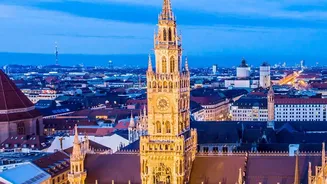
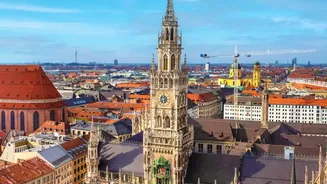
While Munich's Oktoberfest is perhaps the most famous autumn event, it's just the tip of the iceberg. Recent travel intelligence for the 2026 festival showed that air bookings from India to Munich surged by nearly 60% year-on-year, making it the fastest-growing major market for the event. But the options extend far beyond Bavaria. Travellers can experience the Rioja Wine Harvest Festival in Spain, the Alba White Truffle Fair in Italy, or the Signal Festival of lights in Prague. Cities like Paris host the Fête des Vendanges de Montmartre (Montmartre Grape Harvest Festival) and the all-night arts festival Nuit Blanche, offering unique cultural touchpoints. These events anchor an itinerary, giving it a clear purpose and a vibrant pulse.
The Rise of the Solo and Long-Stay Traveller
Interestingly, the trend is not just about families and large groups. Data for Oktoberfest 2026 revealed that solo travellers accounted for 47% of all air bookings, a growing segment. This indicates that these festivals are seen as accessible and exciting opportunities for individuals to explore and connect with new cultures. Furthermore, there's a noticeable increase in longer trips. Bookings for stays of 14 nights or more have risen by 13%, suggesting that Indian travellers are using a festival as a starting point for a more extensive European tour. An Indian traveller might fly into Munich for Oktoberfest and then spend another week or two exploring neighbouring Austria or the Czech Republic.
Making the Dream a Reality
Planning a multi-country European holiday from India has become more accessible than ever. Favourable visa policies, such as the Schengen visa's cascade regime for those with a good travel history, simplify the process for repeat visitors. Improved flight connectivity via hubs in the Middle East and Istanbul provides more competitive airfares, while a plethora of online resources and specialised travel agencies offer customisable itineraries. The combination of easier planning, better value, and the promise of a unique cultural experience is a powerful one. It transforms the idea of an autumn festival trip from a niche concept into an achievable and highly attractive holiday plan for a new generation of Indian globetrotters.