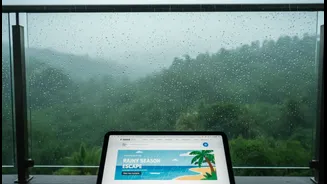









Understanding the 'Shoulder Season' Window
Before diving into the planning, it’s crucial to understand what shoulder season is. It's the transitional period between a destination's high and low seasons. For much of Europe and North America, this typically means the spring months of April and May,
and the autumn months of September and October. However, this isn't a universal rule. A ski resort's shoulder season might be just before the first major snowfall, while a tropical destination's could be on the edge of its rainy season. The allure is clear: you get many of the benefits of peak season, like pleasant weather, but with more manageable crowds and prices. It’s a strategy savvy travellers use to get more value and comfort out of their trips.
The Unpredictable Weather Factor
The biggest reason for extra research is weather volatility. While peak season often promises stable, sunny conditions, shoulder season is a period of change. Spring can bring unexpected rain showers, while autumn can have surprisingly chilly evenings. You can’t simply pack for summer. Instead, your research must involve looking at historical weather patterns for your destination during that specific time. This helps you pack layers and be prepared for multiple types of weather in a single day. Adopting the mindset of “no bad weather, only bad clothing” is key. A little rain shouldn't ruin your trip if you’ve packed a waterproof jacket alongside your sunglasses.
Confirming Operational Hours and Services
A common mistake travellers make is assuming everything will be open and running as usual. During the shoulder season, some businesses that rely on tourism begin to adjust their schedules. That charming seaside restaurant might close on weekdays, a popular museum could have shorter hours, or ferry services to a nearby island may run less frequently. This is where diligent research pays off. Before you go, double-check the websites or even call key attractions, restaurants, and transport providers to confirm their operating hours. This prevents disappointment and helps you build a realistic itinerary that won't be disrupted by unexpected closures.
Transportation Can Be Tricky
While you might find great deals on flights, ground transportation can present its own set of challenges. With lower tourist demand, some bus routes, train services, or internal flights might operate on a reduced schedule. This is especially true in regions that are highly seasonal, like coastal towns or mountain areas. Your research should include a thorough check of transportation timetables. It’s also a good idea to have backup options. For instance, renting a car might become a more practical choice, offering flexibility that public transport might lack during this quieter period. Booking transportation in advance is still wise, even if it's not peak season.
The Payoff: A More Authentic Experience
While it requires more homework, the rewards of a well-planned shoulder-season trip are immense. With fewer tourists, you have the space to breathe and truly appreciate iconic sights. You spend less time in queues and more time soaking in the atmosphere. This quieter environment often leads to more authentic interactions with locals, who are often more relaxed and engaging outside the frenzy of high season. You might discover local festivals or events that aren’t targeted at tourists, offering a genuine glimpse into the local culture. The extra research isn't just about avoiding problems; it’s about unlocking a deeper, more personal, and ultimately more memorable travel experience.