







A Cultural Shift: Pets as Family
The idea of a pet being 'just an animal' is fading fast. More Indians see their pets as integral family members, and this shift is powerfully reshaping the travel industry. The surge in pet-inclusive travel truly gained momentum after the pandemic, which
deepened the bond between humans and their animal companions. This has led to a boom in the pet travel market, which is projected to grow significantly in the coming years. Hospitality and travel companies are taking note. Online booking platforms report millions of searches for 'pet-friendly' stays, making it a top filter for users. The result is a growing ecosystem of hotels, homestays, and transport services catering to travellers who refuse to leave their four-legged friends behind.
Planning Your Journey: The Pre-Travel Checklist
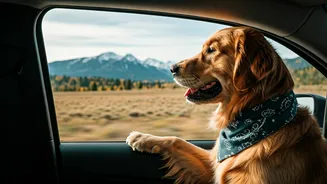
Spontaneous trips are fun, but travelling with a pet requires careful planning. First, have an honest conversation with your veterinarian. Ensure your pet's vaccinations, especially for rabies, are up to date. For most train or air travel, you will need a 'fit-to-fly' or 'fit-to-travel' health certificate issued by a registered vet, typically within a few days of your journey. Also, consider your pet's temperament. An anxious or elderly animal might find travel stressful, and a trusted pet-sitter could be a better option. For road trips, which are the preferred mode of transport for 93% of Indian pet owners, it's wise to start with shorter drives to get your pet accustomed to the car.
Navigating Transport: Planes, Trains, and Automobiles
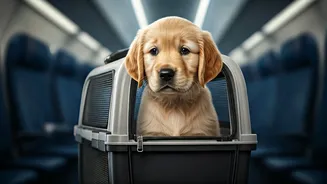
Your mode of transport will be one of the biggest decisions. For air travel, policies in India vary significantly by airline. Air India and Akasa Air are currently the most pet-friendly, allowing small pets (typically up to 7kg including the carrier) in the cabin on select routes. Larger animals must travel in the cargo hold, which is a temperature-controlled, pressurised area. Be aware that many airlines restrict flat-faced breeds like pugs and Persian cats from cargo due to respiratory risks. For train travel, Indian Railways allows pets in First AC cabins, provided you book the entire coupe (2-berth) or cabin (4-berth) to ensure no co-passengers can object. Alternatively, pets can travel in a designated dog box in the luggage/brake van. In both cases, you'll need to book the pet separately at the parcel office after preparing your documents.
Finding a Place to Stay
The number of pet-friendly accommodations in India has exploded. From luxury resorts to charming homestays, there are options for every budget. Chains like Vivanta by Taj and resorts such as Tree of Life have established pet-friendly policies, often providing special amenities like beds, bowls, and even curated pet menus. Homestays in destinations like Goa, Himachal, and Uttarakhand are particularly popular, offering open spaces for pets to explore. When booking, it's crucial to be clear about what 'pet-friendly' means. Some places allow pets in the room but not in common areas like restaurants. Always call ahead to confirm their specific rules, any extra charges, and the amenities they provide to avoid surprises.
On the Road: Keeping Your Pet Safe and Happy
Once the journey begins, your pet's comfort is the priority. Pack a dedicated bag for them with food, water, bowls, familiar toys, bedding, waste bags, and any required medication. For car trips, take breaks every few hours to allow for water and toilet stops. Never leave your pet alone in a parked car. Inside a train cabin, keep them on a leash when the door is open. During the trip, try to maintain their regular feeding and walking schedule as much as possible to minimise stress. It's also important to be a responsible guest; always clean up after your pet and be mindful of other travellers and hotel guests. A calm and well-behaved pet ensures that more places will continue to welcome them in the future.