






The Modern Indian Food Dilemma
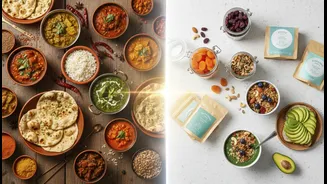
For young adults in India, the food landscape has never been more complex. Life is faster, cities are denser, and options are endless. Traditional, home-cooked meals compete with the instant gratification of food delivery apps. The supermarket aisle is a battleground
of choices, from organic produce to ultra-processed snacks. Compounding this is an information tsunami. One day, a social media influencer champions a keto diet; the next, a family elder warns against giving up traditional grains. Studies show that this constant exposure to marketing and conflicting advice significantly shapes the eating habits of young people, often promoting unhealthy patterns and unattainable body ideals. This creates a high-pressure environment where making a simple choice about what to eat for dinner feels fraught with anxiety, leading to a phenomenon known as the 'double burden of malnutrition'—where undernutrition exists alongside rising obesity and lifestyle diseases.
What is Food Literacy, Really?
This is where food literacy comes in. It's a concept that goes far beyond simply reading nutrition labels or counting calories. Food literacy is the practical ability to make informed decisions that support your well-being. It is a collection of skills and knowledge that helps you plan, manage, select, prepare, and eat food in a way that meets your needs. It's not about memorizing rigid rules, but about developing a positive and confident relationship with food. This means understanding where your food comes from, how it's grown and prepared, and how to distinguish between credible health information and marketing hype. Essentially, it’s the difference between knowing the definition of a carbohydrate and knowing how to cook a satisfying and nutritious meal with dal, rice, and seasonal vegetables.
Beyond Calories and Carbs
The key to avoiding nutrition-rule overload is that food literacy emphasizes context over commandments. Instead of a one-size-fits-all diet, it encourages choices that are culturally relevant, economically sensible, and personally enjoyable. It's about understanding that a balanced diet in Punjab might look different from one in Kerala. This approach reconnects young people with food traditions and sustainable practices, which are often healthier than modern, processed alternatives. Initiatives like the FSSAI's 'Eat Right India' movement are built on this philosophy, promoting food that is safe, healthy, and sustainable. By focusing on the bigger picture—such as the benefits of seasonal eating or the simple joy of sharing a meal—food literacy helps cut through the noise of fad diets and empowers individuals to build confidence in their own food choices.
Making It Practical and Possible
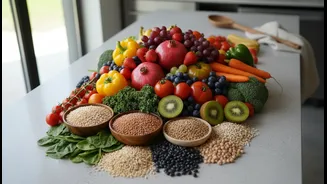
So, what does this look like in daily life? A food-literate individual might navigate a grocery store by prioritizing whole foods over packaged goods. They might experiment with cooking at home not just to save money, but to control ingredients like salt, sugar, and oil. When eating out, they can make healthier swaps without feeling deprived. Crucially, food literacy also involves critical thinking. It equips a person to see a viral post about a 'miracle' weight-loss tea and question its validity rather than immediately clicking 'buy'. This skill set is vital in an era where social media heavily influences food trends and cravings. Organizations in India are beginning to champion this by developing school programs that teach children about soil, farming, and cooking, aiming to build these essential life skills from a young age.