





The End of the Packed Itinerary
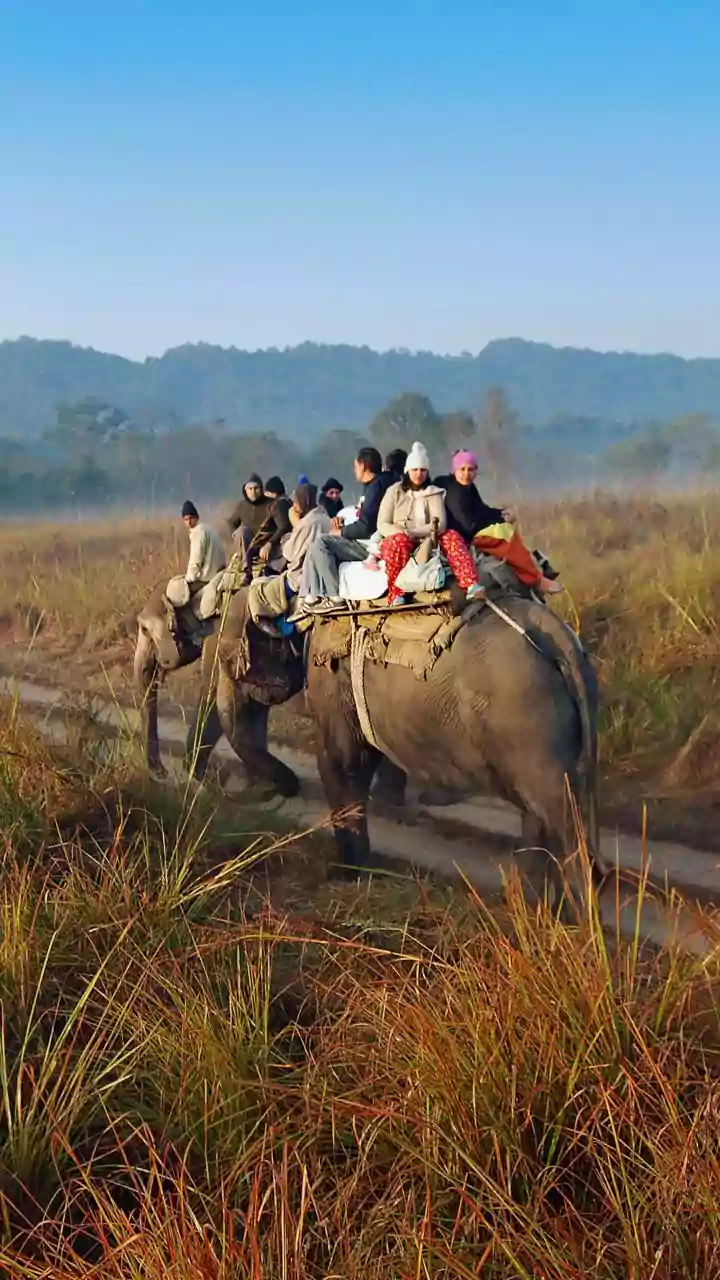
For decades, the mark of a 'successful' vacation was a jam-packed itinerary. It was a whirlwind tour of ticking boxes: see the Eiffel Tower, click a photo at the Taj Mahal, eat at a recommended restaurant, and rush to the next spot. This brand of tourism,
often dubbed 'checklist travel,' prioritised quantity of sights over quality of experience. But for a growing number of couples, this model feels less like a relaxing escape and more like an extension of their over-scheduled, high-pressure daily lives. The exhaustion of navigating crowds, sticking to a rigid timeline, and performing for social media has led many to question the very purpose of getting away. Instead of returning refreshed, they come back needing a vacation from their vacation.
Defining the 'Slow Wellness' Getaway
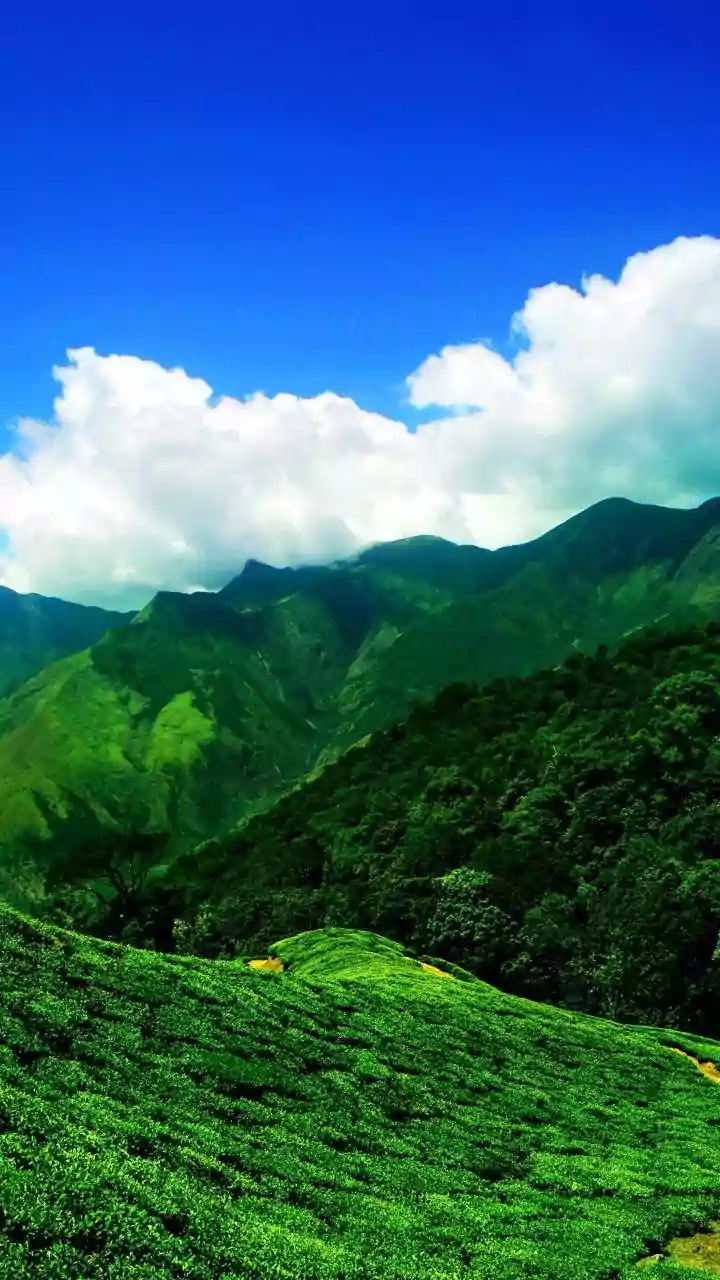
In direct contrast, the 'slow wellness getaway' is emerging as the preferred alternative. This isn’t just about spa treatments or yoga retreats, although those can certainly be part of it. 'Slow travel' is a mindset rooted in connection—to a place, to the local culture, to oneself, and most importantly for couples, to each other. It means swapping a multi-city dash for an immersive stay in one location. 'Wellness' here is interpreted broadly; it’s about nurturing the mind and body, not punishing them. It could mean learning to cook a local dish in Goa, taking long, aimless walks through the tea plantations of Munnar, or simply reading a book by a quiet lake in Udaipur with no agenda. The focus shifts from seeing things to feeling them, from doing to simply being.
The Antidote to Modern Burnout
This trend is not happening in a vacuum. It is a direct response to the pressures of modern life. We live in a state of perpetual motion and digital distraction. Work emails ping at all hours, social media feeds demand our attention, and the pressure to be constantly productive is immense. For couples, this can mean that even their time together is fragmented, spent scrolling on separate screens in the same room. A slow wellness trip acts as a powerful antidote. By consciously disconnecting from digital tethers and daily obligations, couples create a space for genuine communication and shared experiences. The absence of a strict schedule removes the pressure to perform and opens up opportunities for spontaneity and deep connection that are often lost in the noise of everyday life.
What Slow Travel Looks Like
So, what does this look like in practice? It's less about specific destinations and more about the approach. A couple might choose to stay at a single boutique hotel or a homestay for a week instead of hopping between three different cities. Their days might be built around simple, sensory pleasures: visiting a local market to buy fresh produce for dinner, taking a pottery class together, going on a nature hike without a fixed destination, or enjoying a leisurely meal that lasts for hours. In India, this could mean checking into a quiet heritage property in Rajasthan to soak in the history, booking a houseboat in the Kerala backwaters to drift lazily, or finding a secluded cottage in the Himalayas to simply read, talk, and enjoy the silence. The itinerary is intentionally sparse, allowing for serendipity to guide the journey.
A Lasting Shift in Values
This move towards slower, more intentional travel signals a deeper shift in what we value. The pandemic, in particular, accelerated this trend, forcing a global pause and a re-evaluation of priorities. People began to crave meaning over materialism and experiences over acquisitions. For couples, a trip is increasingly seen as an investment in the relationship itself. Rather than a collection of photos, the goal is a collection of shared memories and a strengthened bond. This isn't just a fleeting trend but a reflection of a maturing travel culture that understands the true luxury isn't extravagance, but time—unhurried, unstructured, and spent with someone you love.