

A New Mandate for Health
The Maharashtra government has issued a directive aimed at transforming the food culture within its offices and canteens. Through a Government Resolution, the state's Public Health Department has mandated that healthier food and beverages be served during
all official meetings, training programs, and events. This policy applies to all government and semi-government offices across the state. The primary goal is to phase out ultra-processed items and snacks high in sugar, salt, and unhealthy fats. This move is a direct response to the rising incidence of lifestyle diseases such as diabetes, hypertension, and heart disease, which have become a significant public health concern in the state. By making nutritious food the default option, the government aims to foster a healthier work environment and improve the well-being and productivity of its employees.
What's on the New Menu?
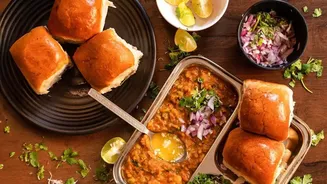
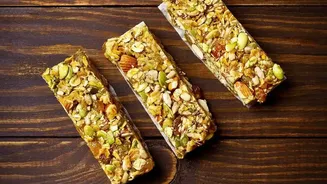
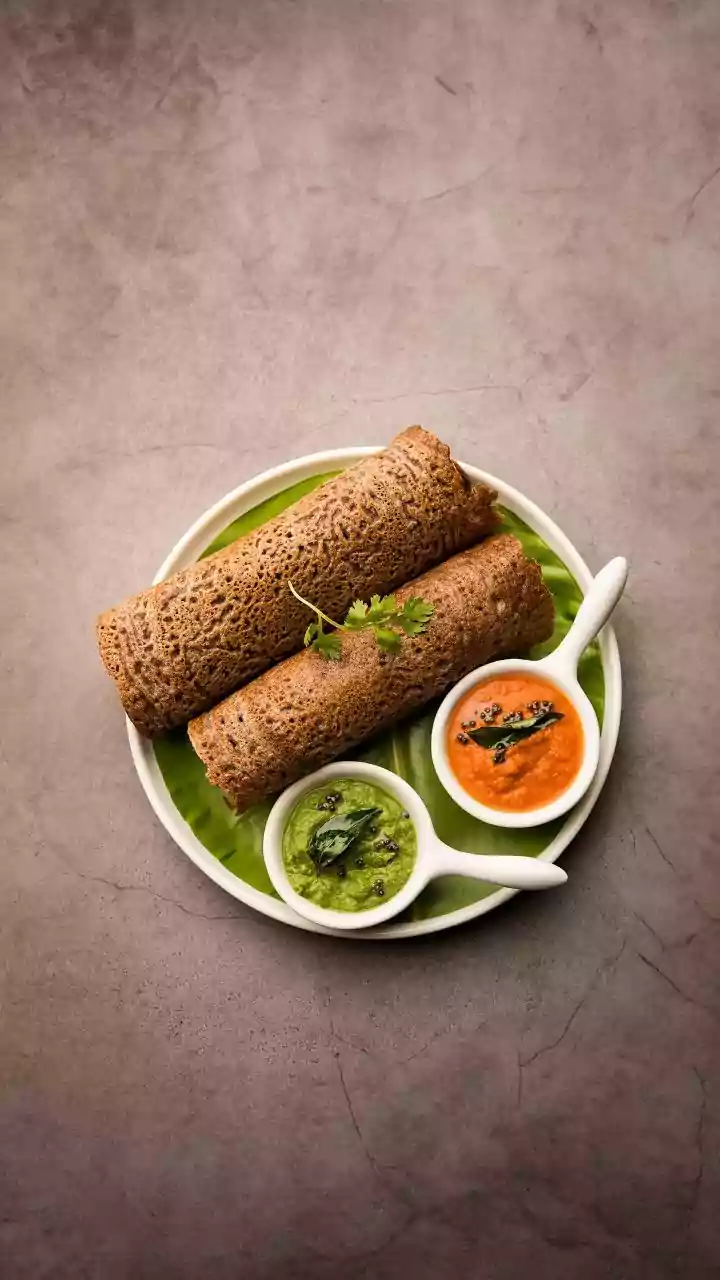
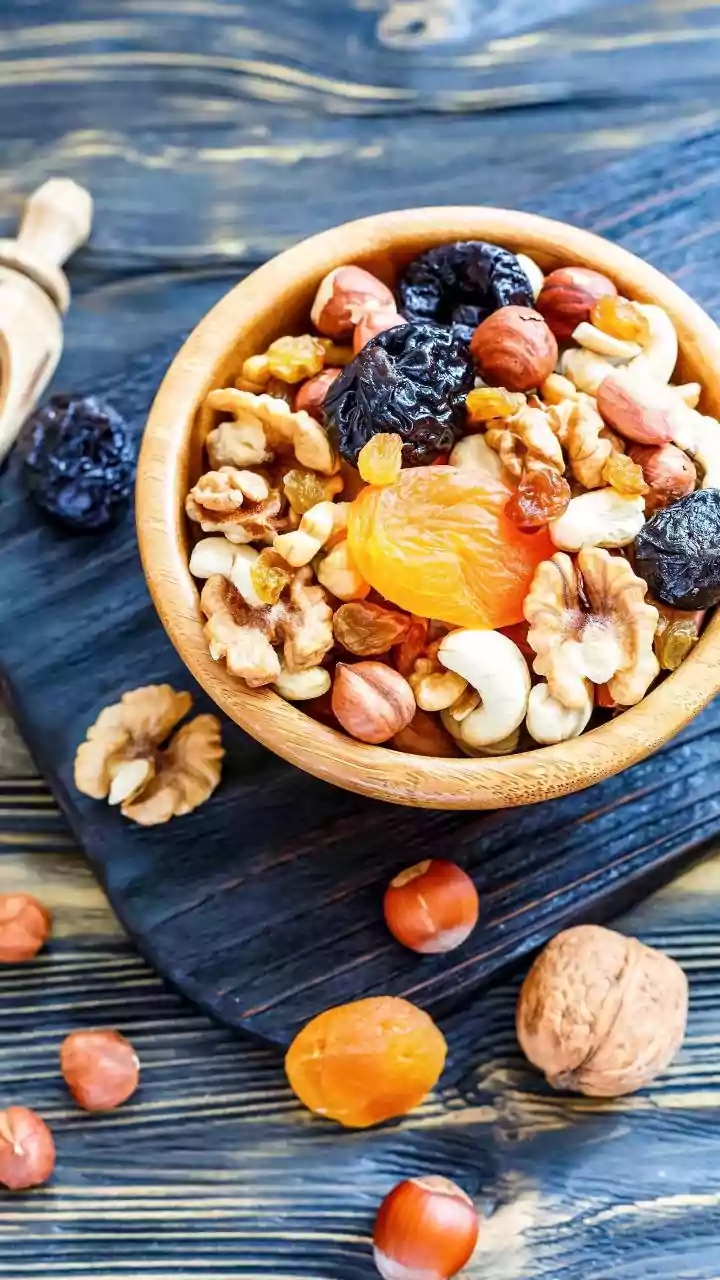
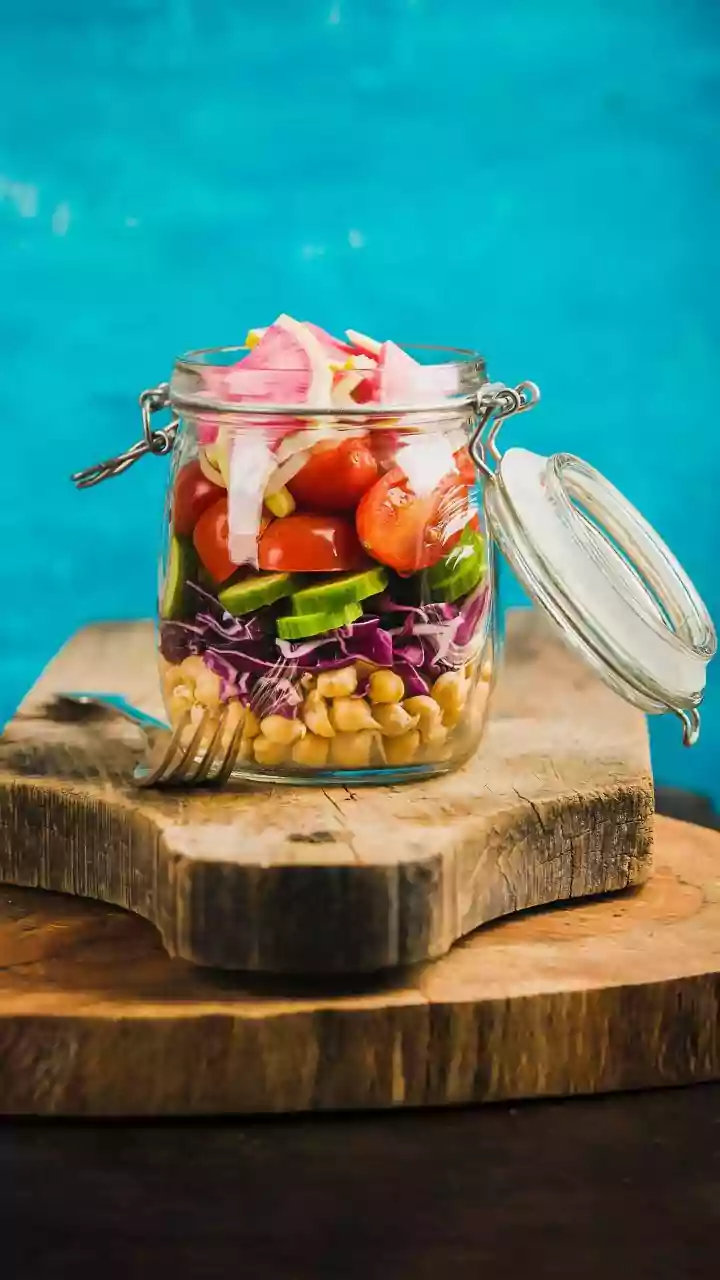
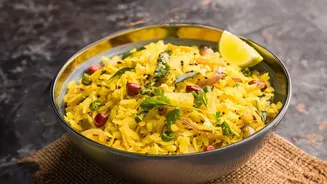
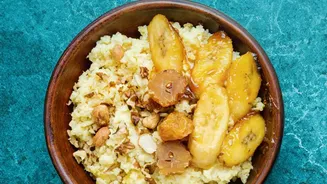
The new guidelines mean a significant change to the catering list. Instead of fried snacks and refined flour biscuits, meetings will now feature a variety of nutritious options. For short meetings, the suggested menu includes seasonal fruits, roasted or boiled chickpeas, sprouts, poha, and idli-sambar. Beverages are also getting a makeover, with recommendations for buttermilk, coconut water, solkadhi, and unsweetened green tea. For longer, full-day programs, the focus is on balanced meals. This includes traditional flatbreads like jowar, bajra, or ragi bhakri, served with dal or 'usal' (a sprouted bean curry), leafy vegetables, and salads. Millet-based dishes like khichdi and items like vegetable pulao are also being encouraged, with fresh fruit replacing sugary sweets for dessert.
Championing Millets and Local Foods
This initiative is not just about cutting out unhealthy foods; it's also about actively promoting local and traditional Maharashtrian cuisine. The new menu places a strong emphasis on millets like jowar, bajra, and ragi, which are nutritious, climate-resilient crops native to the region. This aligns with a broader national push to popularise millets, often referred to as 'Shree Anna'. By incorporating dishes like millet bhakris and khichdi, the government is creating a new and consistent demand for these grains. The promotion of traditional recipes like solkadhi, usal, and thalipeeth also serves to celebrate and preserve the state's rich culinary heritage while providing wholesome, flavourful alternatives to processed snacks.
Implementation and Oversight
To ensure the new policy is followed, the government has laid out a clear plan for implementation. All new catering contracts for government departments must now include specific provisions for the healthy menu. A menu inspection committee will be established in each department to oversee the implementation in canteens. Furthermore, a nodal officer will be appointed to ensure compliance. Periodic audits of canteens will be conducted in coordination with the Food and Drug Administration (FDA) to maintain standards. The government has also stated that nutritional information about the food items served should be clearly displayed, helping employees make informed choices about what they eat.