






The Allure of the Untrodden Path
For years, Himachal tourism has been synonymous with Shimla, Manali, and Dharamshala. While beautiful, these towns now grapple with overcrowding. Discerning travellers are now looking beyond, seeking destinations that offer peace and an authentic connection
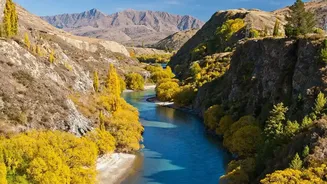
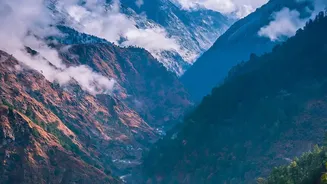
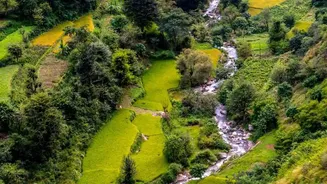
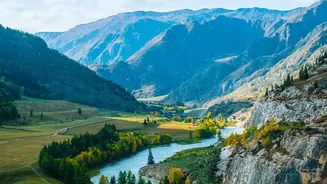
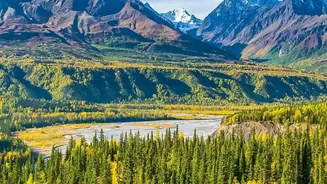
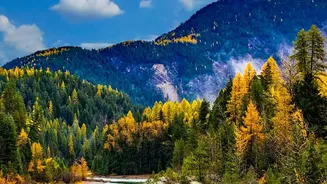
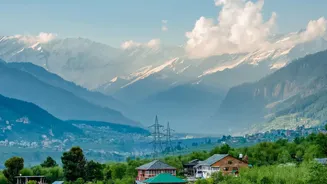
with the mountains. The Kullu district's hidden gems, Tirthan Valley and the hamlet of Shoja, have emerged as perfect answers to this quest. Part of the Great Himalayan National Park's pristine eco-zone, this region offers a refreshing alternative, defined by its lush forests, sparkling rivers, and a slower, more deliberate pace of life.
Tirthan Valley: A Riverside Paradise
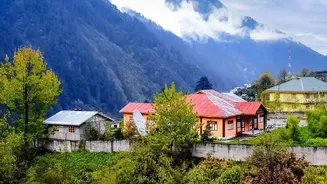
Named after the crystal-clear Tirthan River that flows through it, the valley is a sanctuary for nature lovers and adventure seekers. It serves as the gateway to the Great Himalayan National Park, a UNESCO World Heritage Site teeming with diverse flora and fauna. One of the valley’s main draws is trout fishing; the clean, gushing river is famous for its population of rainbow and brown trout. Beyond angling, the area is dotted with charming villages like Gushaini, Nagini, and Sarchi, where traditional wooden houses and terraced fields offer a glimpse into local Himachali life. Numerous trails lead to hidden waterfalls, with the trek to Chhoie Waterfall being a popular and rewarding short hike.
Shoja: A Quiet Hamlet in the Clouds
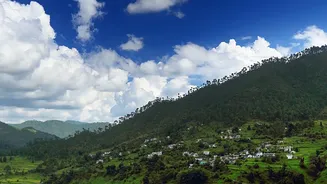
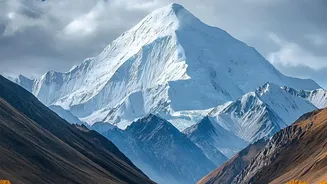
Perched at an altitude of over 2,600 metres, Shoja is a small, quiet village that offers a more secluded experience than even the wider Tirthan Valley. Surrounded by dense deodar and oak forests, it is the ideal place for those who want to do nothing but soak in the mountain views and crisp air. Shoja is less about a checklist of sights and more about the experience of slow travel. Its main appeal lies in its role as a base for exploring the higher reaches of the Seraj region, particularly the famed Jalori Pass, which is just a short drive away.
Gateway to Adventure: Jalori Pass and Serolsar Lake
Connecting the Kullu and Shimla regions, Jalori Pass, at an altitude of 3,120 metres, is a highlight of any trip to Shoja or Tirthan. From the pass, two popular treks beckon. The first is a relatively easy 5-kilometre trail through a dense oak forest to Serolsar Lake, a serene high-altitude lake held sacred by locals. The path is enchanting, and the destination, with its calm waters and a small temple dedicated to Buddhi Nagin, is incredibly peaceful. For those seeking more panoramic views, another trail from Jalori Pass leads to the ruins of Raghupur Fort, offering a stunning 360-degree vista of the surrounding Himalayan ranges.
Planning Your Tranquil Escape
The best time to visit Shoja and Tirthan Valley is from March to June and from September to November, when the weather is pleasant and the landscape is at its vibrant best. The nearest airport is Bhuntar Airport in Kullu, about 50-60 km away. For road travellers, the most common route is to take an overnight bus from Delhi or Chandigarh to Aut. From Aut, a turn-off leaves the main Manali highway and winds into the Banjar Valley, where Tirthan and Shoja are located. Taxis and local buses are available from Aut. Accommodation is dominated by charming homestays and guesthouses that offer warm hospitality and delicious local food, enhancing the authentic experience of the region. It's wise to carry sufficient cash, as ATMs are scarce.