



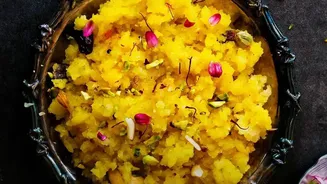
A New Generation Reimagines Prasad
Across India, the spirit of Janmashtami is getting a contemporary and health-conscious update. Youth groups and community organisations are at the forefront of a quiet movement to adapt traditional prasad for modern dietary needs. This isn't about replacing
beloved recipes but evolving them so that everyone, including the elderly and those with health conditions like diabetes, can partake in the festive joy without worry. The motivation is simple: to keep traditions alive and inclusive. By rethinking ingredients, these young innovators are ensuring that the cultural heritage of festive foods continues to be relevant and is passed down in a form that nourishes both body and soul.
The Healthy Pantry Swap
The secret to this festive transformation lies in the pantry. Refined white sugar is being thoughtfully replaced by a variety of natural sweeteners that offer flavour without the negative health effects. Jaggery (gur) is a popular choice, valued for its iron content and for having a lower glycemic impact. Dates, figs, and raisins are also being used to create rich, caramel-like sweetness while adding fibre and essential minerals. For instance, a paste made from soaked dates can bind laddoos and barfis beautifully, eliminating the need for processed sugar entirely. Other alternatives gaining traction include coconut sugar, which offers a lower GI and minerals like potassium, and even stevia for those seeking a zero-calorie option. The flour is also getting an upgrade, with wholesome whole wheat, ragi, and other millets taking the place of refined maida.
Classic Sweets with a Modern Twist
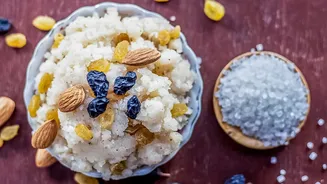
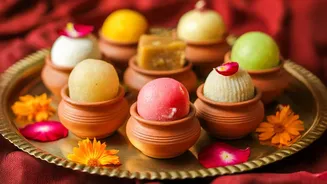
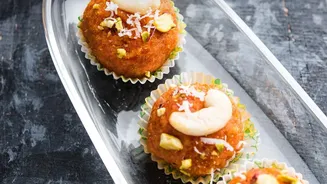
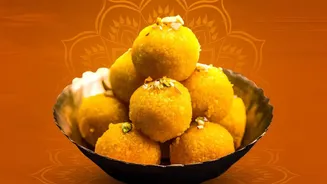
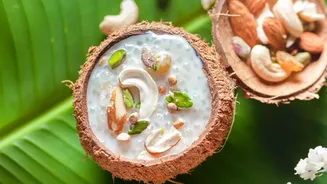
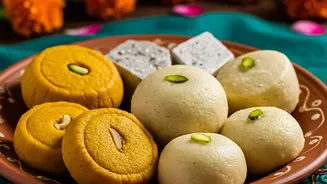
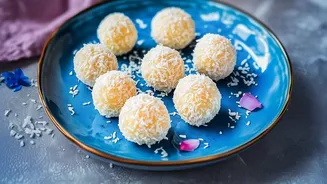
Many iconic Janmashtami sweets are receiving these healthy makeovers. The classic Dhaniya Panjiri, a staple bhog, is now often prepared with powdered jaggery or even date powder instead of sugar, retaining its aromatic charm while being much healthier. Laddoos are another canvas for creativity; 'Dates and Nut Laddoos' are packed with the natural sweetness of dates and the crunch of almonds and walnuts, providing sustained energy. Similarly, Coconut Laddoos can be made with jaggery syrup instead of sugar. Kheer, another festive essential, can be sweetened with a date paste or a small amount of jaggery and prepared with low-fat milk or almond milk for a lighter, yet equally creamy, dessert. Even sweets like Mohanthal and Athirasam are being adapted with jaggery, proving that tradition and health can go hand-in-hand.
More Than Just Sugar-Free
This movement extends beyond simply cutting sugar. It embodies a holistic approach to festive eating. Youth-led initiatives often emphasize mindful consumption and portion control. They encourage using nutrient-dense ingredients like makhana (fox nuts), which are high in calcium and can be roasted for a healthy snack or made into a kheer. There's also a focus on incorporating healthy fats, such as from nuts, seeds, and the moderate use of pure ghee, which is valued in Ayurveda. The message is about balance—enjoying the richness of the festival while making conscious choices. This education is often spread through community cooking workshops, social media campaigns, and simply by sharing these updated sweets with family and friends, sparking conversations about well-being.
How to Join the Healthy Celebration
Bringing this trend into your own home is easier than you might think. Start small by choosing one or two traditional sweets to adapt. Try making 'Dates & Nuts Laddoos'—they are simple, require no cooking, and are a guaranteed hit with all ages. When preparing kheer or halwa, swap out sugar for jaggery or a paste of soaked dates, adjusting the quantity to your taste. You can also enhance the nutritional value of your prasad by adding a mix of roasted nuts and seeds like almonds, walnuts, and flax seeds. Involving children and other family members in the preparation can make it a fun, educational activity, creating new memories while honouring old traditions in a healthier, more inclusive way.