


Choose Your Monsoon Armour Wisely
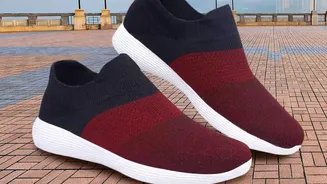
The foundation of happy feet during the monsoon is choosing the right footwear. Your beloved leather loafers or canvas sneakers will not survive the season. Water damages them, they take forever to dry, and they become a breeding ground for bacteria and fungus.
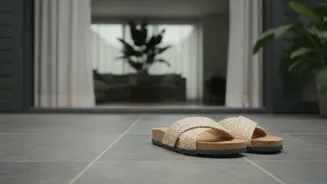
Instead, opt for materials that are waterproof and quick-drying. Rubber, EVA (ethylene vinyl acetate), and other synthetic materials are your best friends. Look for open-toed footwear like floaters, sandals, and flip-flops that allow water to drain away easily and let your feet breathe. Brands that specialize in clogs are also an excellent choice, as they are lightweight, easy to clean, and dry in minutes. When selecting your monsoon shoes, prioritise a good grip to avoid slipping on wet, mossy surfaces.
The Essential Post-Commute Ritual
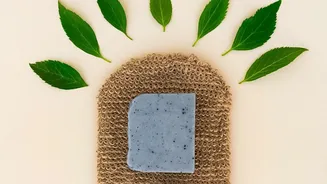
What you do the moment you get home is crucial for foot health. Walking through stagnant, dirty water exposes your feet to a host of pathogens. The first step should always be to wash your feet thoroughly with lukewarm water and a mild, antibacterial soap. Don't rush this process; pay special attention to the spaces between your toes, where moisture and germs love to hide. After washing, drying is the most critical step. Use a clean, dedicated towel and pat your feet completely dry. Lingering dampness is the primary cause of fungal infections like Athlete's Foot. Once your feet are perfectly dry, consider applying an antifungal dusting powder as a preventive measure. This helps absorb any residual moisture and keeps your feet fresh.
Keeping Painful Infections at Bay
The warm, humid conditions of the monsoon create the perfect environment for fungal growth. Beyond just cleaning and drying, a few extra habits can significantly reduce your risk of infection. Firstly, never wear damp socks or shoes. If you wear closed shoes to work, pack an extra pair of dry socks to change into as soon as you arrive. It is also wise to alternate between at least two pairs of monsoon footwear, giving each pair a full 24 hours to dry out completely. Keep your toenails trimmed short and clean, as long nails can trap dirt and bacteria. Finally, if you notice any persistent itching, redness, or peeling skin, don't ignore it. These are early signs of an infection that is best treated promptly.
Revive Your Soaked Shoes for Tomorrow
Even with waterproof footwear, shoes can get drenched. Proper drying is key to their longevity and your hygiene. Never use direct heat from a hairdryer or heater, as it can damage the glue and warp the shape of your shoes. The most effective method is also the simplest: stuff them with crumpled newspaper. Newspaper is highly absorbent and will pull moisture out from the inside. Loosen the laces and pull out the insoles to dry separately, which allows for better air circulation. Place the stuffed shoes in a well-ventilated area, perhaps near a fan, to speed up the process. For a really soaked pair, you might need to replace the damp newspaper with a fresh, dry batch after a few hours. A light sprinkle of baking soda inside can also help neutralise odours once they are mostly dry.