





Start with a Conscious Idol Choice
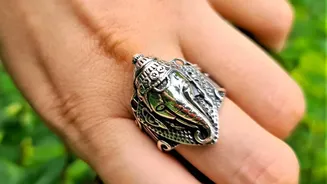
The centerpiece of the festival, the Ganesha idol, is the most impactful choice you can make. Traditionally, many idols are made from Plaster of Paris (PoP), a material that doesn't dissolve in water and releases harmful chemicals like lead and mercury.
These toxins pollute our lakes and rivers, harming aquatic life and contaminating water sources. Instead, opt for idols made from natural, biodegradable materials. Shadu mati, a type of natural clay, is a wonderful traditional option that dissolves easily in water. You can also find idols made from red soil, paper mache, or even ingredients from your own kitchen like turmeric and flour. For a truly unique touch, consider a 'seed Ganesha', an idol embedded with seeds that can be planted after the festival, allowing Bappa’s blessings to grow into a plant.
Embrace Natural and Reusable Decor
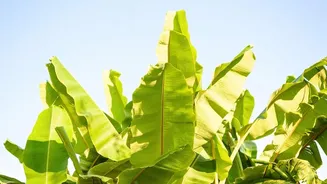
Festive decorations don't have to mean plastic and thermocol. These synthetic materials contribute to landfill waste and take centuries to break down. This year, look to nature for your decor inspiration. Use fresh flowers like marigolds, mango leaves, and banana leaves to create fragrant and beautiful backdrops and torans. Instead of plastic lighting, illuminate your mandap with traditional clay diyas or reusable LED lights, which consume less energy. You can also get creative by upcycling old sarees and dupattas to create vibrant drapes and backdrops. For your rangoli, skip the chemical powders and use natural ingredients like rice flour, turmeric, kumkum, and flower petals for a safe and beautiful design.
Plan for Mindful Feasting
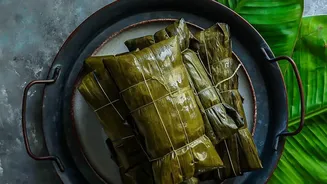
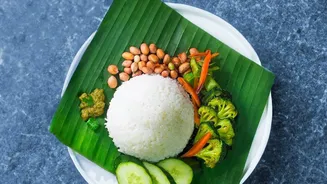
No festival is complete without delicious food and prasad. Planning your meals can significantly reduce food waste. Cook what is necessary and consider donating any excess food to local shelters. When serving guests, ditch the single-use plastic and thermocol plates and cutlery. Instead, use reusable steel or glass utensils. If you need disposable options, choose biodegradable alternatives made from banana leaves or areca leaf plates. You can also create a compost pit in your backyard or community to manage organic waste like vegetable peels and used flowers, turning them into nutrient-rich manure for your plants.
A Green and Respectful Visarjan
The visarjan, or immersion ceremony, marks the culmination of the festival. However, mass immersions of PoP idols in public water bodies are a major source of pollution. A responsible visarjan ensures the sanctity of the ritual without harming the environment. If you have an eco-friendly clay idol, you can perform the immersion at home in a bucket or a tub. This symbolic immersion is just as meaningful. The dissolved clay and water are full of nutrients and can be poured into your garden or potted plants, completing a beautiful natural cycle. Many municipalities and housing societies also now provide artificial immersion tanks, which are another excellent option to prevent the pollution of our natural water bodies.