






A Growing Coastal Menace
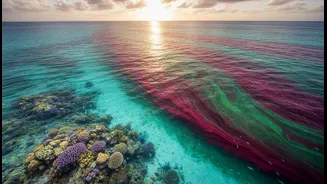
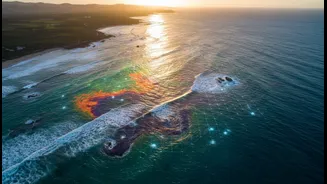
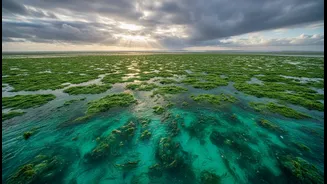
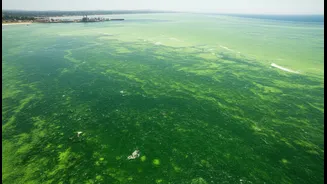
An algal bloom is a rapid, explosive growth of microscopic algae in a water body. While many are harmless, some events, known as Harmful Algal Blooms (HABs), involve toxic algae that can be devastating. These HABs release toxins that can cause mass fish
kills, contaminate seafood with poisons that harm humans, and create vast "dead zones" where oxygen levels plummet, suffocating all marine life. India, with its extensive coastline, is highly vulnerable. Blooms of species like Noctiluca scintillans are now frequently observed along both the west and east coasts, from Maharashtra and Goa to the Gulf of Mannar. These events disrupt the marine food chain and threaten the livelihoods of millions who depend on the sea for their income and sustenance.
The Problem with Snapshots
When a massive bloom appears, the immediate questions are why it happened and if it will return. A study of the bloom itself—a snapshot in time—can provide some clues, but it cannot explain the underlying drivers. Is the bloom a freak accident caused by unusual weather? Or is it a symptom of a deeper, more persistent problem? Without historical context, scientists are left guessing. Short-term observations struggle to separate the 'noise' of year-to-year environmental variability from a genuine long-term trend. This is particularly true for complex phenomena like algal blooms, which are influenced by a cocktail of factors including water temperature, nutrient levels, and ocean currents.
The Power of the Long View
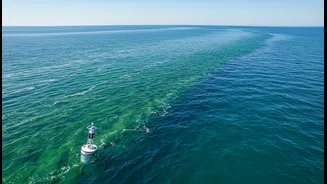
This is where long-term marine research becomes indispensable. By consistently collecting data on the same marine ecosystems over decades, scientists establish a baseline—a detailed picture of what the environment normally looks like. This long view allows them to spot subtle changes and identify the true drivers of ecological shifts. For example, research has shown that the dramatic increase in Noctiluca scintillans blooms in the Arabian Sea, an organism almost unheard of there two decades ago, is not random. It is linked to fundamental changes in the ocean environment. Organisations like the Indian National Centre for Ocean Information Services (INCOIS) play a key role, using satellite data and on-site monitoring to track blooms and provide warnings.
Connecting Dots Across Decades
Decades of data have allowed scientists to connect several crucial dots. One significant finding links the rise in algal blooms in the Arabian Sea to climate change impacts thousands of kilometres away. The weakening of winter monsoons, driven by the loss of snow cover in the Himalayas, has changed ocean mixing patterns. This has led to warmer, oxygen-poor surface waters—the perfect conditions for Noctiluca to thrive and outcompete the traditional, fish-supporting plankton. Another key driver identified through long-term observation is nutrient pollution from agricultural runoff and untreated sewage, which essentially fertilises the algae and fuels their explosive growth. These conclusions are only possible because researchers can compare today's conditions to records from 10, 20, or even 30 years ago.
From Understanding to Prediction
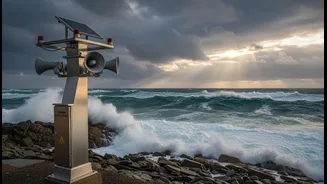
The value of long-term data extends beyond just explaining the past; it is critical for predicting the future. With a rich historical dataset, scientists can build and test sophisticated computer models that forecast when and where blooms are likely to occur. INCOIS has already identified nine algal bloom hotspots along India's coasts and is working to define thresholds to better classify and predict bloom phases, moving from reactive responses to proactive warnings. These early warning systems are invaluable, giving fisheries managers, aquaculture farmers, and public health officials time to take protective measures, such as temporarily closing shellfish harvesting areas to prevent poisonings. As climate change continues to warm the oceans, the ability to predict these harmful events will become even more crucial for safeguarding both marine ecosystems and coastal economies.