


The Paradox of a Massive Menu
There's a psychological phenomenon known as 'choice overload', and restaurant menus are a classic example. When faced with too many options, our brains struggle to make a decision, leading to anxiety and even regret over the final choice. Studies have
shown that a diner's satisfaction can decrease as the number of menu items increases. We spend ages weighing the pros and cons of each dish, only to wonder if we should have ordered what our friend did. This decision fatigue is real, and it can subtly diminish the pleasure of dining out before the first plate even arrives. The experience, which should be one of joy and anticipation, can become a stressful test of our decision-making skills.
Enter the Tasting Menu: A Curated Journey
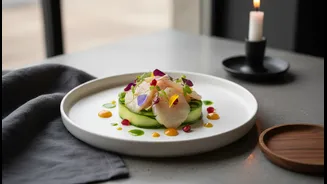
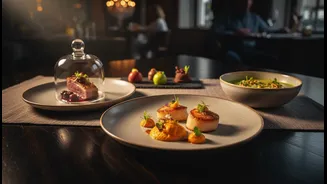
This is where the concept of a tasting menu—also known as a 'dégustation' or 'chef's menu'—comes in as a welcome solution. In its purest form, like the Japanese 'omakase' which translates to "I'll leave it up to you," you hand over complete control to the chef. Instead of a single large entrée, you receive a series of smaller, thoughtfully sequenced dishes. This isn't just a random assortment of the day's specials; it’s a culinary narrative designed to showcase a chef's philosophy, highlight seasonal ingredients, and take you on a journey of flavours and textures that build upon each other.
Why Trusting the Chef Pays Off
By opting for a tasting menu, you are experiencing the very best a chef has to offer. These menus are where chefs pour their creativity, showcasing techniques and ingredients that might be too niche or delicate for a high-volume à la carte service. You get to taste ingredients at their absolute peak of freshness and seasonality. It's an invitation to be adventurous, to try combinations you might never have ordered yourself, and to discover your next favourite food. The meal becomes a performance, a story where each course is a new chapter, deliberately paced and designed for maximum impact. This format turns a simple dinner into a memorable, immersive event.
The View from the Kitchen
Chefs often prefer the tasting menu format for several reasons. It allows them to exercise full creative freedom, moving beyond the constraints of a static menu. Economically, it’s also highly efficient. By knowing exactly how many guests are having the set menu, chefs can plan their inventory precisely, significantly reducing food waste. This format enables them to work with small-batch producers and use rare or fleeting seasonal ingredients that wouldn't be feasible for a regular menu. Ultimately, it's the most direct way for a chef to communicate their vision and passion to the diner, dish by dish.
A Growing Trend in India
Once a rarity found only in a few top-tier hotels, the tasting menu concept has firmly taken root in India's fine-dining landscape. Restaurants from Mumbai and Delhi to cities like Jaipur and Kochi are embracing this format. Chefs are using it to celebrate hyperlocal ingredients and reinterpret regional Indian cuisines with modern techniques. Establishments like Indian Accent, which was a pioneer in introducing tasting menus to the country, have paved the way for a new generation of restaurants where the chef-driven experience is the main draw. This shift shows that Indian diners are increasingly adventurous and eager for deeper, more thoughtful food experiences.