





Beyond Just a Pretty View
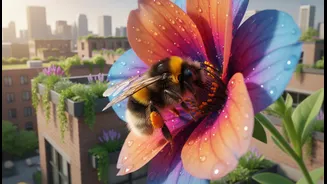
In our ever-expanding cities, green spaces are shrinking. Parks are few and trees are often lost to development, making it harder for pollinators like bees, butterflies, and birds to find food and shelter. This is where your balcony comes in. By cultivating
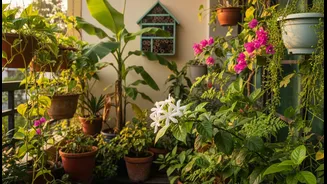
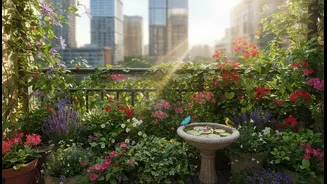
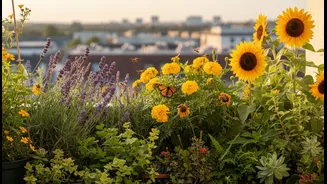
a small garden, you are creating more than just a pleasant view; you are building a mini-habitat. Think of it as a crucial service station on a long highway. When you and your neighbours create these green pockets, you form a network of stepping stones that help wildlife navigate the urban landscape, supporting the local ecosystem one pot at a time. The majority of the world's flowering plants and many of our food crops depend on these tiny creatures for pollination.
Choose Your Floral Champions
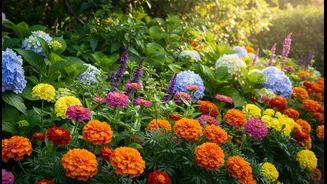
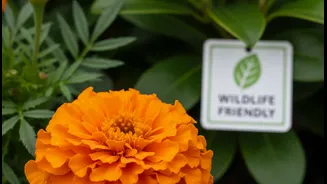
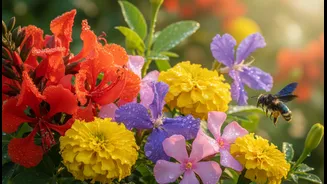
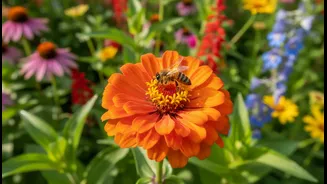
The key to attracting local wildlife is to plant native species—the plants they have co-evolved with and recognize. For an Indian balcony, several hardy and beautiful options thrive in containers. Marigolds (Genda) are a fantastic choice; their bright yellow and orange blooms are nectar-rich and magnets for bees and butterflies. Hibiscus (Gudhal), with its large, vibrant flowers, is perfect for attracting sunbirds. Fragrant Arabian Jasmine (Mogra) not only smells divine but also brings in pollinators, and many varieties bloom for months. The Butterfly Pea (Aparajita) is a fast-growing climber with striking blue flowers loved by butterflies. Other great options include the hardy Vinca (Sadabahar), Lantana, and Zinnia, all of which provide a steady supply of nectar. Even flowering herbs like Tulsi (Holy Basil) are incredibly valuable, attracting bees when they bloom.
Set Up Your Balcony Buffet
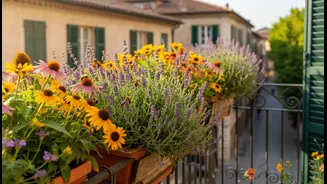
Creating your wildlife stop is simple. First, choose pots with good drainage holes to prevent waterlogging and root rot. Container size matters; larger pots hold moisture longer and give roots more space. Instead of using just garden soil, which can become compact, opt for a lighter potting mix containing cocopeat for moisture retention and compost for nutrients. Place your plants according to their sunlight needs; Hibiscus and Marigolds love the sun, while others might prefer partial shade. One of the most important rules is to avoid chemical pesticides. These chemicals harm beneficial insects like bees and butterflies. Instead, manage pests with organic solutions like neem oil spray.
Meet Your Winged Visitors
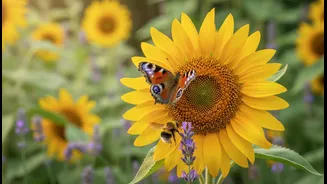
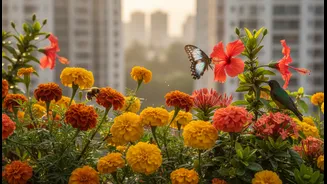
Once your floral buffet is ready, the guests will arrive. You can expect to see a variety of native Indian bees buzzing around your flowering herbs and Marigolds. Butterflies, such as the Common Mormon, will be drawn to the nectar in plants like Cosmos, Zinnia, and Lantana. Don’t be surprised if you spot tiny, iridescent sunbirds sipping nectar from your Hibiscus or Ixora flowers. To make your balcony even more welcoming, add a shallow dish of water with a few pebbles or stones in it. This creates a safe place for birds and butterflies to drink and bathe, especially during hot summer months. The gentle hum of bees and the flash of a butterfly’s wing will transform your balcony into a dynamic, living space, offering daily moments of connection to the natural world.