








The Life-Saving Benefit of Cool Air
In the face of increasingly severe heatwaves, air conditioning is more than a convenience; it's a critical health tool. Extreme heat poses serious risks, including heatstroke and dehydration, particularly for the elderly, children, and those with chronic
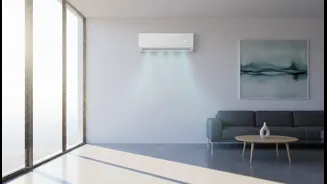
health conditions. An AC provides a vital refuge, lowering indoor temperatures and humidity to create a safer environment. This cooling effect can significantly improve sleep quality and enhance productivity for those working from home. Furthermore, modern AC systems can improve indoor air quality by filtering out pollutants and allergens, offering relief to individuals with respiratory issues. As rising incomes make ACs more accessible, their role in safeguarding public health and improving quality of life is undeniable.
The High Price of Staying Cool
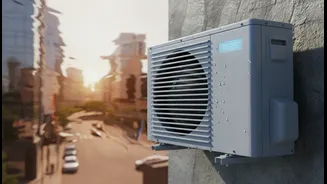
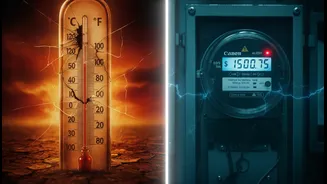
The collective rush for comfort comes with significant hidden costs. India's air conditioner market is booming, with 10 to 15 million new units being installed annually. This surge is putting immense strain on the nation's electricity grid. Room ACs already account for nearly a quarter of India's peak electricity demand, and this is projected to grow, raising the risk of power shortages and blackouts as early as 2028. The environmental toll is just as steep. Most of India's electricity is still generated from coal, meaning more AC usage translates to more carbon emissions. Additionally, many ACs use hydrofluorocarbons (HFCs) as refrigerants—potent greenhouse gases that contribute to global warming. This creates a dangerous feedback loop: we use more energy-intensive cooling to escape the heat, which in turn fuels the climate change that is causing the heat in the first place.
A National Plan for a Cooler Future
Recognising this challenge, the Indian government launched the India Cooling Action Plan (ICAP) in 2019. This forward-thinking roadmap aims to provide sustainable cooling for all while minimising environmental impact. The plan has ambitious goals for 2037-38, including reducing cooling demand by 20-25% and cutting the energy required for cooling by 25-40%. It promotes a multi-pronged approach, from pushing for more energy-efficient appliances to championing passive cooling designs in buildings. A key part of this strategy is the Bureau of Energy Efficiency (BEE) star rating system, which helps consumers identify and choose appliances that consume less electricity. By encouraging smarter technology and better building practices, ICAP seeks to break the vicious cycle of warming and energy consumption.
Smarter Ways to Beat the Heat
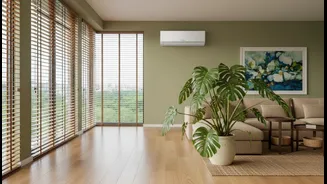
Escaping the cooling trap doesn't mean giving up comfort. It means being smarter about how we achieve it. Here are some practical steps you can take: Buy Smart: When purchasing a new AC, opt for a model with a high BEE star rating (4 or 5 stars). While the initial cost might be higher, the long-term savings on your electricity bill are substantial. Look for the Indian Seasonal Energy Efficiency Ratio (ISEER) value—a higher number means greater efficiency. Optimise Your Usage: Set your AC thermostat to a more energy-efficient temperature, such as 24-26°C. Regular servicing, including cleaning the filters, ensures your unit runs at peak performance. Embrace Passive Cooling: Simple, low-cost measures can make a huge difference. Use curtains or blinds to block direct sunlight. Ensure good cross-ventilation by opening windows in the cooler evening and morning hours. Planting trees or using cool roof solutions like reflective paints can also significantly reduce heat absorption in your home. Consider Alternatives: For many situations, high-efficiency ceiling fans or air coolers (especially in dry climates) can provide adequate comfort with a fraction of the energy use of an AC.