



The Monsoon's Lingering Grip
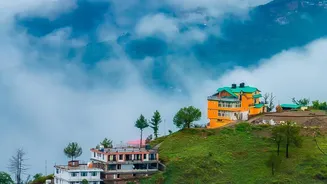
While the peak monsoon season officially ends in August for many parts of India, September acts as a temperamental transitional month in the mountains. The weather is notoriously fickle, swinging between bright, sunny skies and sudden, heavy downpours
with little warning. The Southwest Monsoon may be retreating, but it doesn't leave quietly. Regions like Himachal Pradesh and Uttarakhand often experience widespread and sometimes very heavy rainfall well into September. This isn't just a minor inconvenience; these late-season showers can be intense, leading to flash floods and waterlogging that can bring travel to a standstill. A sunny morning can easily deceive travellers into thinking the coast is clear, only for a torrential downpour to strand them in the afternoon.
The Unseen Risk Below the Surface
The most significant danger of September travel in the hills is not the rain itself, but what the months of preceding rainfall have done to the soil. The ground across the Himalayas and the Western Ghats is often completely saturated by the end of the monsoon. This makes slopes unstable and highly susceptible to landslides, which are a frequent and deadly hazard in India’s mountainous regions. According to the Geological Survey of India, a significant portion of the country's land area is landslide-prone, with the Himalayas being particularly vulnerable due to their young and fragile geology. Intense rainfall acts as the most common trigger, and even a short, sharp shower on already soaked ground can be enough to cause a catastrophic slope failure. These events can block major highways for days, isolating entire communities and leaving travellers stranded.
Dramatic Temperature Swings
September weather is a master of deception when it comes to temperature. The combination of post-monsoon humidity and high-altitude sun can create surprisingly warm and even hot afternoons, where temperatures in lower-altitude hill towns can climb towards 30°C. However, this warmth is fleeting. As soon as the sun dips or clouds roll in, the temperature can plummet. Nighttime lows in higher-altitude destinations can drop to single digits. This wide variation between day and night temperatures makes packing a challenge. Travellers who dress only for the warm afternoon sun often find themselves uncomfortably cold and unprepared for the evening chill. Relying on a single heavy jacket is a common mistake; the key to comfort is dressing in adaptable layers.
How to Plan for the Unpredictable
Despite the challenges, a September trip is not impossible—it just requires careful planning and a healthy respect for the conditions. Before you book anything, monitor weather forecasts from reliable sources like the India Meteorological Department (IMD). Look for specific warnings about heavy rainfall or flash floods in your intended destination. Beyond the weather, check for local road status updates. Many state police departments and disaster management authorities post road closure information online. It’s also wise to book flexible accommodation and transport that allows for last-minute changes. Building buffer days into your itinerary is crucial; if a road is blocked, having an extra day or two can prevent a logistical nightmare. Talk to your hotel or local contacts about on-the-ground conditions before you depart.
Packing Smart for a September Trip
Your packing list is your first line of defence against September's tricky weather. The layering system is non-negotiable. Start with a moisture-wicking base layer, add a fleece or light sweater for insulation, and top it with a waterproof and windproof outer jacket. This allows you to adapt as the temperature changes throughout the day. Sturdy, waterproof footwear with good grip is essential for navigating wet and muddy paths. Pack quick-drying clothes, as humidity can prevent fabrics like cotton from drying properly. Other essentials include a powerful torch and a power bank, as power cuts can be common during heavy rains. A basic first-aid kit with medicines for common ailments, sunscreen, and insect repellent should also be in your bag.