

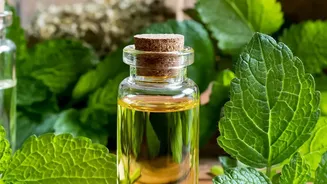

From Scrap to Staple
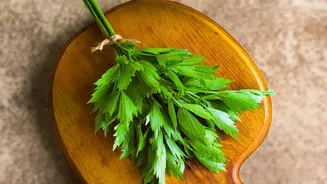
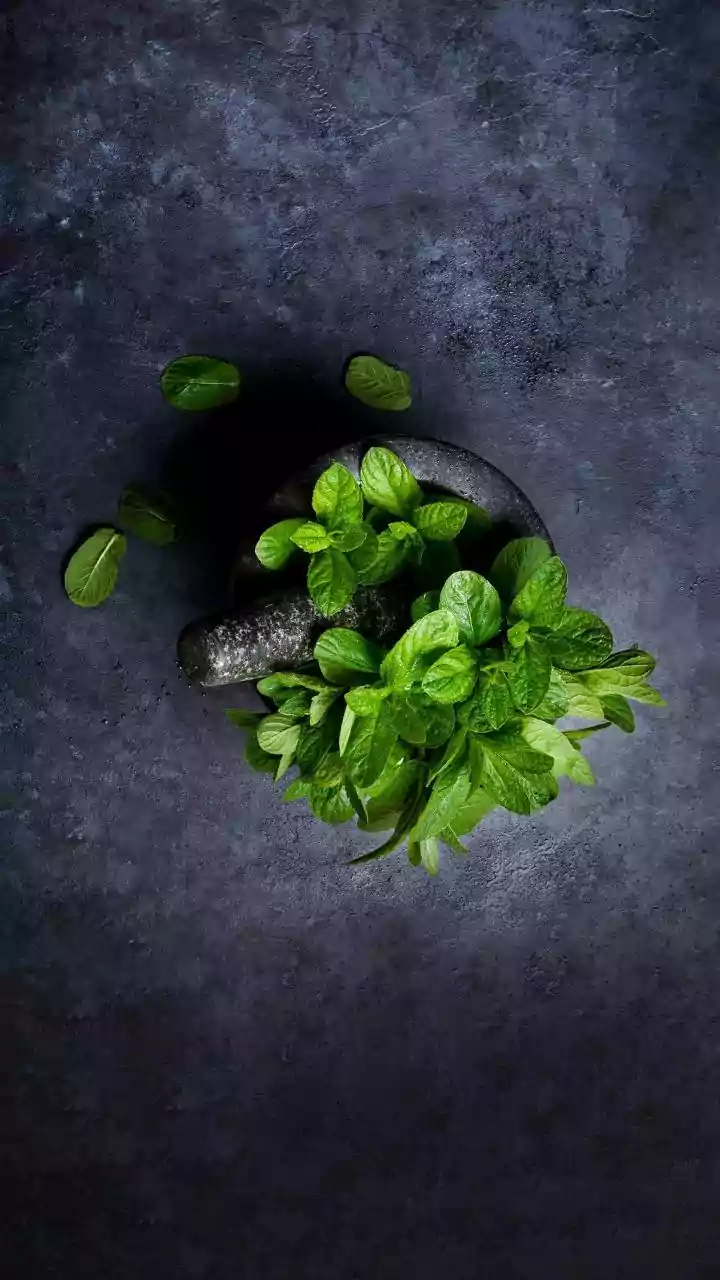
In the quest for a more sustainable kitchen, every part of an ingredient has potential. We meticulously pick the leaves from fresh herbs like coriander and mint, but the stems often end up in the compost bin. This is a missed opportunity, as these stems are
bursting with the same essential oils and aromatic compounds as the leaves. By infusing them into oil, you can extract this flavour, creating a versatile pantry staple that costs next to nothing. This simple act of culinary alchemy not only saves money but also provides the satisfaction of making the most of your produce, turning a common kitchen scrap into a flavourful asset for your cooking.
Choosing the Right Ingredients
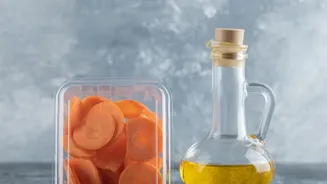
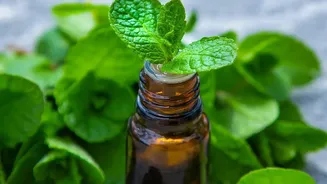
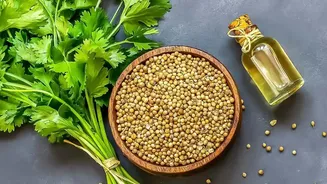
The beauty of this project lies in its simplicity. You only need three things: leftover herb stems, a carrier oil, and a clean jar. For the herbs, gather a good handful of fresh coriander and mint stems. Make sure they are washed and, most importantly, thoroughly dried. Any moisture introduced into the oil can shorten its shelf life and create a breeding ground for bacteria. For the oil, a neutral-flavoured option is best to let the herbs shine. Grapeseed, sunflower, or a light olive oil are excellent choices. While robust extra virgin olive oil can be used, its strong flavour might compete with the delicate notes of the mint and coriander.
The Gentle Heat Method: Step-by-Step
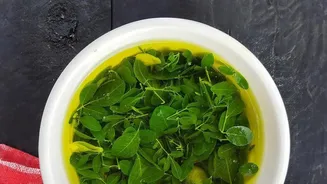
While you can cold-infuse oils over weeks, a gentle heating method is faster and coaxes out flavour more efficiently. Start by roughly chopping your clean, dry coriander and mint stems. This increases the surface area, allowing more flavour to be extracted. Next, combine the chopped stems and your chosen oil in a small saucepan. A good ratio to start with is about one part herbs to two parts oil by volume. Gently heat the mixture on the lowest possible setting. You are not trying to fry the herbs, but merely warm the oil to encourage infusion. The ideal temperature is warm to the touch, around 65°C, but not sizzling. Keep it on this low heat for about 20-30 minutes, then turn off the heat and allow it to cool completely, letting the stems steep for another hour or so.
Straining and Storing for Safety
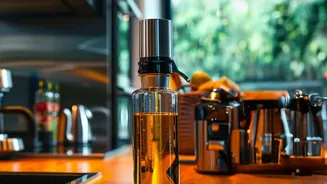
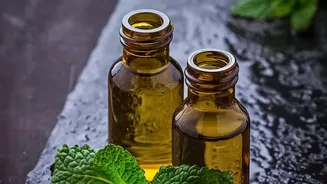
Once the oil has completely cooled, it’s time to strain it. Pour the mixture through a fine-mesh sieve lined with cheesecloth or a coffee filter into a sterilized glass jar or bottle. Don't be tempted to press down on the solids, as this can make the oil cloudy. Let gravity do the work. The most critical step is storage. Homemade oils infused with fresh ingredients like herbs have a risk of developing Clostridium botulinum bacteria if not stored properly. To ensure safety, you must store your finished oil in an airtight container in the refrigerator. Do not leave it at room temperature. When refrigerated, the oil should be used within four days to a week for maximum safety and freshness. The oil may solidify or become cloudy in the fridge, but it will return to its liquid state at room temperature.
How to Use Your Homemade Herb Oil
Now for the fun part: using your creation. This vibrant, aromatic oil is incredibly versatile. Drizzle it over roasted vegetables, grilled fish, or chicken to add a fresh, herbaceous finish. Use it as a base for a zesty salad vinaigrette by simply adding lemon juice and a pinch of salt. It can be tossed with pasta, used to finish a bowl of soup, or swirled into yogurt or hummus for a flavourful dip. You can even use it to top your morning eggs or frittata. Anywhere you want a bright burst of fresh herb flavour, this oil will deliver.